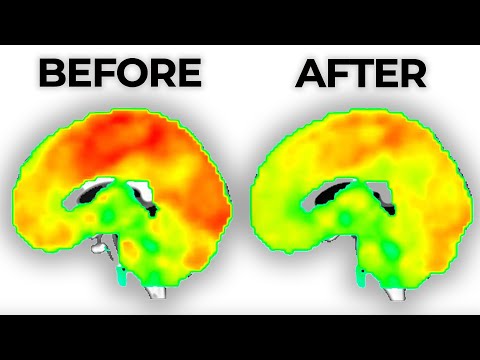
You know, when people mention Prozac, a lot of thoughts come to mind. It’s like this little green pill that seems to fix everything, right? Well, not really. There’s so much more to the story.
I remember my friend Lisa, who started taking it a few years back. She said it changed her life — but not in the way you’d think. Sure, the anxiety eased up at first. But then things got complicated.
So, what are the long-term effects of being on Prozac? It’s not all sunshine and rainbows. Some folks might experience shifts they never expected. Let’s get into it and figure out what happens after those initial doses wear off. Seriously, it’s important to know!
Long-Term Prozac Use: Effects on Mental Health and What You Need to Know
Prozac, or fluoxetine, is often prescribed for depression and anxiety. If you’re taking it, or thinking about long-term use, it’s important to understand how it can affect your mental health over time.
First off, Prozac can be really effective. Many people find that it helps them feel more like themselves. But here’s the thing: what works for one person may not work for another. And when you’re on it for a long time, there might be some changes worth considering.
Potential Side Effects
When taking Prozac over a long period, some folks experience side effects that are pretty annoying. For instance:
- Emotional Blunting: Some people report feeling less emotional, almost numb at times.
- Weight Changes: Weight gain is possible and can impact self-esteem.
- Sleep Issues: You might find changes in sleep patterns like insomnia or fatigue.
It’s super important to talk to your doctor if any of this sounds familiar!
Now let me tell you a quick story. A friend of mine had been on Prozac for years. At first, she felt alive again after being stuck in a fog of depression. But as time passed, she felt more distant from her emotions—like watching her life play out from behind glass. She struggled with that feeling but didn’t know if it was the meds causing it or just life in general.
The Risk of Dependence
Another thing to keep in mind is the potential risk of dependence. While not physically addictive like some other substances, stopping Prozac suddenly can lead to withdrawal symptoms. You might experience:
- Anxiety spikes
- Dizziness
- Irritability
It’s crucial to consult with your healthcare provider before making any changes.
Long-Term Mental Health Effects
So how does long-term use affect mental health overall? Well, studies show mixed results:
- Persistent Improvement: For many people, long-term use can lead to sustained improvements in mood and functioning.
- Cognitive Effects: Some studies suggest there may be mild cognitive effects with prolonged use; think things like memory issues or trouble concentrating.
- Relapse Rates: After stopping medication, there’s a possibility of relapse into depression or anxiety.
That said, everyone reacts differently! So you have to listen to your own experience.
Your Options Moving Forward
If you’re using Prozac long-term and feeling unsure about its effects on you, don’t hesitate to reach out for help! Therapy can be a great addition. Many find that talking things through really helps clarify whether the benefits outweigh any downsides.
In short—Prozac has helped many navigate their mental health journey successfully over the years. But being aware of how it might impact you and knowing when to seek support is key to maintaining your wellbeing! Remember: always consult with healthcare professionals who know your unique situation well before making decisions about your treatment plan.
Understanding the Potential Mental Health Effects of Prozac: Can It Cause Issues?
Prozac, a type of antidepressant known as an SSRI (Selective Serotonin Reuptake Inhibitor), is often prescribed for depression and anxiety. You might be wondering, though, if it can mess with your head in the long run. Well, let’s break it down.
First off, Prozac works by increasing serotonin levels in your brain. Serotonin is that feel-good chemical that helps regulate mood. For many people, this can lead to improved emotional well-being. But like any medication, it can come with its own set of potential mental health effects.
One important thing to know is that while it helps some folks feel better, not everyone has a smooth ride. Some users report side effects like anxiety or agitation. These aren’t super common but they do happen sometimes. Imagine feeling anxious when you were hoping for relief—that’s gotta be frustrating.
Another long-term concern involves withdrawal symptoms. If someone decides to stop taking Prozac suddenly, they might experience what’s called «discontinuation syndrome.» This can include dizziness, irritability, or even mood swings. It’s kinda like when you stop eating sugar after a binge—your body’s not happy at first!
Also worth mentioning are potential emotional flatness or numbness. Some people describe feeling less intense emotions while on Prozac—like joy or sadness isn’t quite as vibrant as it used to be. This can make life feel bland sometimes—you’re not crying during sad movies and maybe even missing out on those happy moments too.
Now let’s get into something that can hit hard: the risk of suicidal thoughts. It sounds scary but this is especially relevant for young adults and teenagers when they start an SSRI like Prozac. While most people benefit from the medication, there’s a small percentage who might feel worse initially before they see improvement.
So what should you do if you’re concerned? Well, staying in touch with your healthcare provider while on Prozac is key. They’re there to help you navigate any weird feelings or side effects that pop up along the way.
In summary:
- Prozac raises serotonin levels, which can help many people feel better.
- Side effects, such as increased anxiety or agitation, are possible.
- Withdrawal symptoms may occur if stopping suddenly.
- Emotional numbness could dampen both highs and lows.
- Younger patients might experience increased suicidal thoughts initially.
Like any medication journey, everyone’s experience is unique. It’s super important to keep communication open with your doctor—and take care of yourself along the way!
Exploring the Long-Term Effects of Prozac on Brain Health: What You Need to Know
So, Prozac—officially known as fluoxetine—has been a go-to medication for a lot of folks dealing with depression, anxiety, and other related conditions. But what about its long-term effects on brain health? That’s a good question.
First off, let’s break down what happens when you take Prozac. It’s an SSRI (selective serotonin reuptake inhibitor), which means it works to increase the level of serotonin in your brain. Serotonin is like this happy little chemical that helps regulate mood and feelings of well-being. So, people take it to feel more balanced.
Now, if you’re on Prozac for a while—like several months to years—you might start wondering about the long-term effects. Some studies suggest that taking SSRIs like Prozac can lead to some changes in brain structure and function. Research shows that chronic use can impact neuroplasticity, which is how adaptable your brain is. This might sound complicated, but basically, neuroplasticity is what helps your brain learn new things or recover from stress.
Also, long-term use could potentially mess with the way your body naturally produces serotonin after you stop taking the medication. Imagine using a crutch for too long; you might find yourself limping when you try walking without it later.
Let’s talk about some common concerns:
- Weight Gain: Some people notice they gain weight while on Prozac. The reasons aren’t super clear but it’s something to keep an eye on.
- Emotional Blunting: This refers to feeling less emotion overall—both good and bad kinds—which can be unsettling.
- Anxiety or Agitation: Weirdly enough, while it treats anxiety for many people, some might experience increased feelings of anxiety or agitation over time.
- Withdrawal Symptoms: If you decide to stop taking Prozac after being on it for an extended period, there could be withdrawal symptoms like dizziness or mood swings.
And speaking of withdrawal—it’s important to work with a healthcare provider when considering stopping the medication. They’ll help you taper off properly so you don’t feel like you’re going through withdrawal hell.
Oh! And let’s not forget about individual differences here because everyone reacts differently to medications. What works wonders for one person may not be suitable for another at all.
In terms of research around these long-term effects—it can sometimes feel mixed and confusing since we’re constantly learning new things about how our brains work as well as how medications affect them over time.
To wrap this up: if you’ve been taking Prozac long-term or are considering it, it’s definitely worth talking with your doctor about any concerns you may have regarding brain health and emotional well-being moving forward. You’re not alone in this journey; lots of folks navigate these waters every day!
Prozac, huh? It’s one of those names we’ve all heard thrown around in conversations about mental health. You know, the little blue pill that’s supposed to help with depression and anxiety. But what’s kind of interesting—and a bit overlooked—is thinking about the long-term effects it can have on our minds.
So, imagine this: you’re feeling pretty low. Life feels like one big gray cloud, and everything just seems harder than it should be. Then, you get prescribed Prozac. For some folks, it’s like turning on the lights in a dark room; suddenly things seem clearer and less daunting. But there’s this nagging question—what happens after that initial boost?
Over time, some people report feeling flat or emotionally numb. It’s like they’ve gone from one extreme to another—where sadness is dulled but so is joy. That rush of happiness might become harder to grasp. I remember a friend who started taking it and felt amazing at first but then realized they didn’t really care about things anymore—like their favorite band was coming to town, but they just couldn’t muster up the excitement.
And let’s talk side effects too—not just the common ones people mention when starting out, but what about years down the road? Sometimes there are concerns about weight gain or sexual dysfunction that creep in over time, which can really affect self-esteem and relationships. Can you imagine dealing with depression while also grappling with how you feel about your body or intimacy? That’s tough.
But here’s where it gets murky: everyone responds differently to Prozac or any other medication for that matter. Some folks find themselves thriving on it long-term, while others might struggle ongoing with certain feelings or connections to life around them.
Plus, there’s this tricky balance between medication and therapy. People often rely solely on pills like Prozac for relief instead of digging into the underlying issues through talk therapy or other coping strategies. And yeah, pills can help manage symptoms, but we have to think about building tools for when life throws us curveballs down the line.
What I’m saying is that while Prozac can be helpful for many in the short run, it asks us to look more closely at our relationship with our emotions and whether we’re truly addressing what lies beneath those feelings of sadness or anxiety in a lasting way.
In the end, if you’re thinking about long-term use of something like Prozac—or if you’re already on it—being aware of these effects is crucial. It really helps to stay in touch with your emotional landscape and maybe enlist some support along this journey. You don’t always have to navigate this alone; sometimes talking things out can make all the difference!