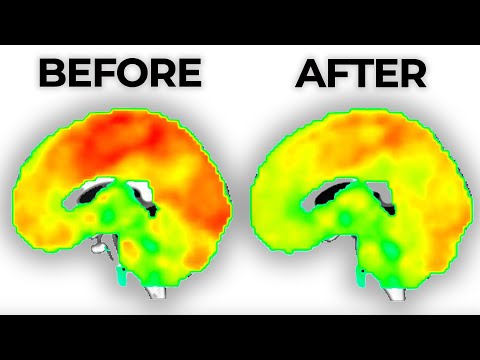
So, let’s chat about sertraline. You know, that medication people often take for anxiety and depression? It’s pretty commonly prescribed, but have you ever wondered what it really does to your brain over time?
Like, sure, it helps lift those heavy feelings. But there’s a lot more going on behind the scenes. You might be curious about how it changes your mood or even affects brain functions after you’ve been on it for a while.
I mean, it’s wild to think something you take daily could reshape your mind, right? Let’s dig into the long-term effects and see what’s really happening up there in the gray matter!
Understanding the Impact of Sertraline: Can It Contribute to Low Mood?
Sertraline is one of those medications you might hear about a lot when discussing mental health. It’s a selective serotonin reuptake inhibitor (SSRI) and it helps manage conditions like depression and anxiety by boosting the level of serotonin in the brain. But, let’s talk about the flip side: can it actually contribute to low mood over time?
First off, SSRIs like sertraline don’t work for everyone in the same way. Some people feel awesome after starting it, but others might experience side effects that can mess with their mood. It’s pretty common for someone to start feeling better at first but then later hit a wall where things just don’t feel right anymore.
- Side Effects: Some folks report feeling fatigue or emotional numbness while on sertraline. Imagine trying to enjoy your favorite movie but just not feeling it, you know? That can be disheartening.
- The Discontinuation Effect: When you stop taking sertraline, sometimes your mood can dip even lower. People describe this as a sort of withdrawal, which is no fun at all. You might feel anxious or down for a bit.
- Long-Term Use: Over time, some studies suggest that SSRIs could alter brain function in ways that might lead to depressive symptoms in certain individuals. It’s like your brain gets a little too used to the medication, and without it—or sometimes even with it—things get complicated.
You know how when you’re on a rollercoaster ride? At first, you’re super excited and pumped up, but if you ride too many times in a row without getting off for fresh air, it starts to feel overwhelming or bland? It’s kind of like that with sertraline for some people; they ride that wave of serotonin highs until the thrill fades.
Anecdotes abound too. A friend of mine once told me about her journey with sertraline; she felt great initially—like she could tackle anything! But after months of use, life felt muted and blah again. She didn’t want to admit it at first because she thought something was wrong with her instead of considering the medication’s role.
If you’re curious about whether sertraline is impacting your mood negatively or contributing to feelings of sadness over time, seriously chat with your doc or therapist about it. They might suggest tweaking dosages or even switching medications entirely.
The thing is that everyone’s brain chemistry is different. What works wonders for one person may not cut it for another. The key takeaway here is to stay aware of how you’re feeling and keep an open dialogue with those who are helping you on your mental health journey!
Exploring the Impact of Sertraline on Cognitive Function: What You Need to Know
Sertraline, you might know it as Zoloft, is a popular antidepressant that falls under the category of selective serotonin reuptake inhibitors (SSRIs). It’s often prescribed for depression, anxiety disorders, and even PTSD. So how does it impact your brain and mood, especially in the long term? Let’s break it down.
What exactly happens in your brain? When you take sertraline, it mainly boosts the levels of serotonin—a neurotransmitter that’s super important for regulating mood. More serotonin can mean feeling happier and more balanced. That’s great! But what about your cognitive function?
Research on cognitive function is mixed. Some folks report improved focus and better memory after starting sertraline. For others, especially at higher doses or with long-term use, there can be some downsides. You might feel a bit hazy or sluggish mentally. It’s kind of like trying to function in fog—you know something’s there but can’t quite see clearly.
- Side Effects: Commonly reported side effects include drowsiness or fatigue. This can affect how sharp you feel during the day.
- Mood Stability: A stable mood can actually help cognitive function because when you’re not drowning in anxiety or sadness, you’re more likely to think clearly.
- Cognitive Serotonin Syndrome: Though rare, serious side effects like serotonin syndrome can occur if the dosage is too high. Symptoms could range from confusion to rapid changes in blood pressure. Definitely not something to ignore!
Let me share an example here: A friend of mine struggled with anxiety for years before trying sertraline. Within a few weeks, they noticed they could concentrate at work a lot better! They even felt more social—like their brain was finally coming out from under a heavy blanket. But over time, they started feeling a little foggy and tired instead of that initial sharpness they enjoyed.
Cognitive Decline Over Time? While most people don’t experience significant cognitive decline on sertraline, there is ongoing research into its long-term effects on brain health. Some studies suggest that prolonged use may affect certain aspects of memory or learning abilities in some individuals. However, this varies greatly from person to person.
Here’s where it gets complicated: everybody reacts differently. Some people experience no real issues with cognitive function while taking this medication; others may notice subtle changes over time.
It’s also crucial to consider why someone is on sertraline in the first place—chronic depression or anxiety itself can impair cognition too! Sometimes it’s hard to tell what’s actually affecting your clarity of thought: the medication or the underlying condition being treated.
The Bottom Line? If you’re considering starting sertraline or are already on it and noticing changes in how well you think or remember stuff, definitely chat with your doctor about it! They can help adjust your dosage if needed or explore other options if things don’t feel right.
So yeah, sertraline has its pros and cons when it comes to cognitive function and mood stabilizing effects over time—just make sure you keep communication open with your healthcare provider along the way!
Understanding the Long-Term Side Effects of SSRIs: What You Need to Know
Sure! Here’s a breakdown of what you might want to know about the long-term side effects of SSRIs, specifically focusing on sertraline, you know?
SSRIs and How They Work
Selective serotonin reuptake inhibitors (SSRIs), like sertraline, are often prescribed for depression and anxiety. They work by increasing levels of serotonin in your brain. Serotonin is a chemical that helps regulate mood, but it can take time for these changes to really kick in.
Short-Term vs. Long-Term Effects
In the short term, many people experience relief from their symptoms. But when you’re looking at long-term use, there’s more to consider. Some folks might notice changes in their brain function or mood after being on SSRIs for a while.
Potential Long-Term Side Effects
So what are those long-term effects? Here are some key points to think about:
- Emotional Blunting: Some people describe feeling less intense emotions while on SSRIs. It’s like they’ve turned the volume down on their feelings, both good and bad.
- Cognitive Effects: There can be some impacts on memory and concentration for certain individuals. You might feel a bit foggy or struggle with decision-making.
- Dependency Concerns: Though not technically addictive, there can be psychological reliance on the medication. This can make it tricky if you try to stop taking it.
- Discontinuation Syndrome: If you suddenly stop taking SSRIs like sertraline, you could face withdrawal-like symptoms. This might include dizziness or flu-like symptoms.
- Tolerance: Over time, some individuals may find that they need higher doses to achieve the same effect they initially experienced.
The Brain Connection
Research suggests that long-term use of SSRIs may even change brain function over time. There’s evidence indicating alterations in serotonin receptors and other neurobiological pathways associated with mood regulation. This could mean that your brain responds differently to stressors after prolonged use.
Mood Changes
Some people report that their overall mood changes while using sertraline over an extended period—like feeling flat or unmotivated—which can be pretty frustrating if you’re working hard to feel better.
Anecdote Time!
Let me share a quick story here. A friend of mine was on sertraline for a couple of years and initially felt amazing—like she was finally herself again! But then she came to realize she wasn’t as excited about things she used to love. It was kind of scary because she thought she had just changed as a person until we talked about it.
Taking Your Time with Decisions
If you’re contemplating starting or stopping an SSRI like sertraline or dealing with side effects, it’s crucial not to go solo on this journey. Seriously consider discussing it with your doctor or therapist; they can help navigate these waters more effectively than any online article ever could!
In summary, while SSRIs can provide significant help for many folks struggling with mental health issues, it’s super important to weigh those potential long-term effects seriously and keep an open dialogue with your healthcare provider about your experience.
You know, when we talk about sertraline, it’s kind of a big deal in the world of mental health. It’s one of those selective serotonin reuptake inhibitors (SSRIs) that many people take for anxiety or depression. I mean, it can really help lift you up from a dark place, which is amazing. But the thing is, what happens when you take it long-term? That’s where it gets interesting.
I remember this friend of mine who was on sertraline for years. At first, she felt like a cloud had lifted from her head; it was like she could finally breathe again. But after some time, she started to question whether it was still doing its job. Like, did the medication change her brain function or mood permanently? It’s tricky!
Studies show that long-term use can actually lead to some changes in how your brain works. For instance, with increased serotonin levels over time, your brain might adapt to those changes. This means your mood can stabilize in ways that are good but also may make you feel flat at times—like everything feels a little muted or disconnected.
There’s this balance you kinda have to find. Some folks might find that they’re less anxious but also feel less joy or excitement about life—like their emotional range shrunk a bit. It’s not all doom and gloom though! Many people have shared how being on sertraline helped them learn healthier coping strategies while managing their moods better.
But hey! If you’re on something like sertraline long-term and feeling weird about it—whether that’s numbness or just not feeling like yourself—it’s always smart to chat with a doctor about how you’re feeling and what next steps could look like.
At the end of the day, everyone’s journey with medication is unique. Just remember that whatever you’re experiencing isn’t just all in your head; it’s real and totally worth discussing with someone who can help sort through those feelings!