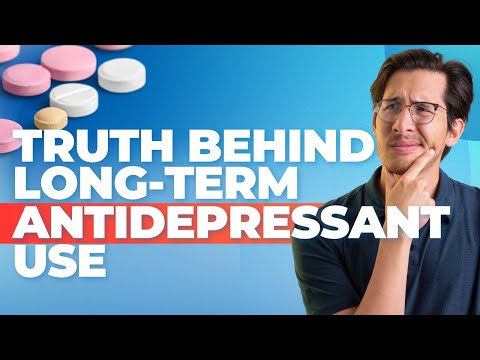
So, you know those days when life feels a bit too much? Like you’re trudging through mud, just trying to keep your head above water? A lot of folks find themselves turning to medications like SSRIs, or selective serotonin reuptake inhibitors. They help boost mood and take the edge off anxiety.
But here’s the thing: what happens when you stick with them for a while? What’s the long-term story here? There’s a lot of chatter about how they work in the short term, but let’s dig into the nitty-gritty of how they might affect your mental health over time.
It can feel confusing, right? You might be wondering if it’s all sunshine and rainbows or if there are some shadows in that picture. Buckle up, my friend; we’re going to explore both sides of this coin.
Understanding the Long-Term Effects of SSRIs on Mental Health: What You Need to Know
The thing about **SSRIs**, or selective serotonin reuptake inhibitors, is that they’re often a go-to for treating conditions like depression and anxiety. They work by increasing serotonin levels in your brain, which helps improve your mood. But there’s more to the story when we talk about their long-term effects on mental health.
When you take SSRIs for a while, you might notice some changes—some good and some not-so-great. For some folks, these meds can lift that heavy cloud of sadness and anxiety. You know the feeling when you wake up feeling okay instead of dragging yourself out of bed? That’s the potential good side of it.
However, sticking with them long-term might have effects that aren’t always clear cut.
- Emotional Blunting: Some people report feeling less emotionally engaged after using SSRIs for a long time. It’s like watching a movie with no sound—there are moments you should feel something, but it’s muted.
- Dependency Vs. Withdrawal: There’s often this worry about becoming dependent on them. And while SSRIs aren’t addictive in the classic sense, some people find it hard to stop taking them without facing withdrawal symptoms—like dizziness or mood swings.
- Weight Changes: Weight gain or loss might happen too. This can make things tricky because managing weight relates back to self-esteem and body image which can affect your mental health.
- Possible Impact on Sexual Function: Yep, many people experience issues with libido or sexual function while taking these meds. This can complicate relationships and lead to feelings of frustration or inadequacy.
So here’s where it gets interesting: everyone’s different! Your buddy might feel great on SSRIs while someone else struggles with side effects like those mentioned above. Long-term use could also mean adapting lifestyle changes or picking up therapy to complement what the medication does.
Now, let’s talk about how stopping SSRIs can be its own journey too. A friend of mine was on them for years and decided to taper off them slowly under her doctor’s watchful eye—smart move! She felt like she was relearning how to deal with her emotions without that extra boost from the medication.
The takeaway? If you’re considering SSRIs or are already on them, keep chatting with your healthcare provider about what you’re experiencing—good or bad! They’re there to help navigate those waters alongside you.
So remember, understanding the long-term effects of any medication is key to making informed decisions about your mental health journey. You deserve clarity and support as you figure out what works best for you!
Long-Term Antidepressant Use: Is It Safe to Take Them for 30 Years?
Long-term antidepressant use can raise a lot of questions. If you’re thinking about taking them for, say, 30 years, it’s totally valid to wonder about the safety and effectiveness. Let’s break this down together.
First off, SSRIs, or selective serotonin reuptake inhibitors, are one of the most common types of antidepressants prescribed. They work by increasing levels of serotonin in the brain, which can help improve mood and alleviate depression. Most people start to feel better after a few weeks on them. But what happens when you take them for years?
The thing is, there’s still a lot we don’t know about long-term effects. Some people take SSRIs for decades and feel fine. Others might experience issues. So it’s a mixed bag. Plus, our bodies change over time, right? This can affect how your body reacts to medication after many years.
Now let’s talk about the
In some cases, stopping suddenly can cause withdrawal symptoms or lead to the original depression returning worse than before. So it’s really important to work with a doctor who understands your history and can help manage any transitions.
Then there’s the concern about
Long-term use might bring out side effects that weren’t noticeable at first. For example, weight gain and sexual dysfunction are commonly reported issues with SSRIs that can emerge or worsen over time.
Additionally, long-term antidepressant use has been linked to
which is when emotions feel muted or less intense than before—both positive and negative feelings. Some people describe it like living in black and white instead of color; it can make life feel pretty dull.
And you know what else? There’s also ongoing research about whether long-term use could influence mental health in unexpected ways later down the line. There’s chatter among mental health professionals regarding possible changes in brain chemistry after many years on these meds.
If you’re thinking of sticking with SSRIs for decades, here are some other important things to consider:
. It really helps to have periodic discussions with your healthcare provider about how you’re feeling—physically & emotionally. Adjustments might be necessary as life rolls on.
Another point is that therapy often goes hand-in-hand with medication for effective treatment. Therapy techniques evolve as well—what helped you ten years ago might not be what you need now.
In short, while it may be safe for some individuals to take SSRIs long-term—like 30 years—it genuinely varies from person to person. Staying informed and connected with your healthcare provider can make all the difference!
Understanding the Long-Term Effects of Antidepressants on Brain Health
When it comes to antidepressants, especially SSRIs (selective serotonin reuptake inhibitors), people often wonder about their long-term effects on brain health. So let’s break this down, shall we?
SSRIs are commonly prescribed to help with depression and anxiety. They work by increasing the levels of serotonin in your brain. Serotonin is that neurotransmitter that makes you feel happy and balanced. But what happens when you take these meds over a long period? There’s a lot to unpack here.
First off, studies suggest that long-term use of SSRIs can lead to changes in brain structure. Some research indicates that they might actually increase the volume of certain areas in the brain, like the hippocampus. That’s a part involved in memory and emotion regulation. So, you could say they help “grow” some areas of your brain, which sounds cool!
- Possible Dependency: One concern with long-term use is dependence. While SSRIs aren’t addictive in the way some substances are, stopping them can be tough for some people—they might experience withdrawal symptoms like headaches or mood swings.
- Cognitive Effects: There’s also debate on how SSRIs affect cognition over time. Some folks report feeling “foggy” or having trouble concentrating after years on them. It can be frustrating when you’re trying to think clearly but feel… off.
- Affecting Emotional Range: Another interesting point is emotional blunting; some users mention feeling numb or less able to experience emotions deeply after prolonged use—like laughing at a movie but not really feeling it.
You know, I once chatted with a friend who had been on an SSRI for years. She told me she was grateful for how much better she felt overall, but there were moments when she worried about her ability to connect emotionally with others like she used to. It’s complicated—balancing mental health improvements with potential emotional dullness really isn’t easy.
Long-term effects may vary. Everyone’s body reacts differently to medications; what works wonders for one person might not work at all for another—or lead to unwanted side effects over time.
If you’re thinking about going off an SSRI or changing your dosage, it’s essential to chat with your doctor first! They can help guide you through options tailored just for you because each individual journey is unique.
The bottom line? SSRIs can be lifesavers for many folks struggling with mental health issues, but understanding what they do long-term is crucial too. Make sure you’re informed and comfortable about any decisions regarding your mental health journey!
So, let’s chat a bit about SSRIs, or selective serotonin reuptake inhibitors, to give ‘em their fancy name. You might know them as those little pills that people take for depression and anxiety. They can help a lot of folks feel better, but when you start thinking about the long-term effects, things get a little murky.
I remember my friend Sam. He had been struggling with anxiety for years and finally went on an SSRI. At first, it was like a breath of fresh air. His constant worry eased up, he was enjoying life again, and even picked up those guitar lessons he’d always wanted to try. But then months turned into years, and that’s where some tricky stuff started happening.
See, SSRIs work by increasing levels of serotonin in your brain—a chemical that helps regulate mood. And while that can be great for lifting the fog of depression or anxiety, there are potential long-term effects to consider too. Some people experience emotional numbing over time—you know, like feeling flat or even disconnected from their feelings? It’s not that they don’t want to feel; it’s just… harder.
Also, there’s this weird thing about dependency. For Sam, he found himself relying on that little pill more than he expected. A couple of times when he tried to go off it—Yikes! Things got pretty rough. Withdrawal symptoms can be no joke; it’s like your body saying “Hey! We were used to this!”
And let’s talk side effects too; some folks report weight gain or changes in libido after being on SSRIs for a while—that can really mess with your self-esteem and relationships if you’re not careful. I mean, who wants to deal with all that while trying to navigate life?
The thing is though—you gotta weigh the pros and cons for yourself or your loved ones. For many people like Sam, the benefits of feeling better often outweigh these long-term downsides… at least initially! It becomes crucial to keep open lines of communication with healthcare providers so you can make adjustments if needed.
At the end of the day—and I guess where I’m going with this—is that mental health is super complex. Medication isn’t always a one-size-fits-all situation; what works wonders for one person could be problematic for another over time. It’s really all about finding balance and support along the way—whether that’s through therapy or just talking through things with friends who get it.
Anyway, if you’re thinking about SSRIs or are already on them—it doesn’t hurt to keep these long-term effects in mind and chat with someone who knows their stuff in mental health!