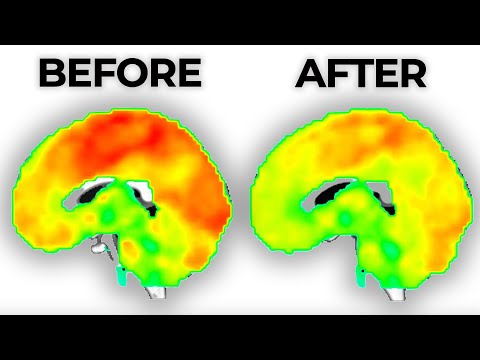
You know how sometimes you hear about a medication, and it seems like magic? Well, Zoloft is one of those meds that’s become pretty popular for treating depression and anxiety.
But have you ever thought about what happens after long-term use? Like, does it really fix things or just put a Band-Aid on them?
Some people swear by it, while others are left wondering if they’re actually getting better. So let’s chat about what the long-term effects really look like. It’s not just about feeling good today; it’s also about tomorrow…and the next year…and beyond.
Ready to dig into this? Cool, let’s go!
Exploring the Long-Term Effects of Zoloft: What You Need to Know About Sertraline Treatment
So, you’re curious about Zoloft, huh? That’s the brand name for a medication called sertraline, which is often prescribed for depression, anxiety, and a few other mental health issues. It’s one of those selective serotonin reuptake inhibitors (SSRIs) you hear about a lot. These drugs work by helping your brain use serotonin better, which is super important for mood regulation.
Now, when it comes to the **long-term effects** of taking Zoloft, there’s a mix of what we know and what we’re still figuring out. Some people feel like they’ve got their lives back after starting it and can manage their day-to-day way better. Others might face some challenges.
- Emotional Blunting: A common experience for some is feeling less emotional overall. Imagine watching your favorite movie but not really getting choked up like you used to. It’s like turning down the volume on your feelings.
- Weight Changes: Some folks put on weight while others might shed a few pounds. If you’ve struggled with maintaining or losing weight, this can be pretty frustrating over time.
- Sexual Side Effects: Seriously, this one comes up more than you’d think. It could mean reduced libido or difficulty reaching orgasm. This can impact relationships and self-esteem.
- Anxiety Resurgence: For certain individuals, anxiety might creep back after stopping Zoloft or even while still on it—especially if they are going through something tough in life.
- Withdrawal Symptoms: If you’re thinking about quitting Zoloft, tapering off gradually is key. Some people face withdrawal symptoms like dizziness or mood swings if they just stop cold turkey.
You know how sometimes medications can help in some areas but not in others? That’s the deal with Zoloft too. The long-term benefits often have to be weighed against these potential side effects.
But let’s not forget—everyone’s different! One person might take Zoloft for years with no major issues while another struggles with side effects right from the start. It’s crucial to keep an open dialogue with your doctor as you go along.
Speaking of real-life stuff—there’s this story I heard about Sarah. She was battling anxiety and depression when her doc suggested Zoloft. At first, she became more social and engaged—like planning outings she had been avoiding forever! But after being on it long term, she felt somewhat disconnected from her emotions during moments that once made her happy.
So basically, if you’re considering or currently using sertraline treatment long-term, keep these things in mind: be aware of how you feel emotionally and physically during treatment; sometimes check-ins with a therapist can help sort everything out; and always talk to your healthcare provider about any concerns or changes you’re experiencing while on the med.
You deserve support that helps not just in the short run but also keeps an eye on how things may change down the line!
Understanding the Side Effects of Discontinuing Sertraline: What You Need to Know
So, if you’re thinking about stopping sertraline (you might know it as Zoloft), it’s super important to chat with a healthcare professional first. Seriously, don’t just decide to go cold turkey. But let’s break down some of the side effects that can pop up when you stop taking it.
Withdrawal Symptoms
When you cut off sertraline suddenly, your body can react in various ways. It’s like your system is trying to adjust back to life without the medication. Some common withdrawal symptoms include:
- Flu-like symptoms: You might feel achy and tired.
- Insomnia: Sleep could become elusive, making you feel more stressed.
- Nausea: Not fun at all! You could feel queasy or even end up throwing up.
- Dizziness: The world might feel a bit wobbly.
- Anxiety or irritability: Your mood could take a hit, leaving you feeling on edge.
Think about a time when you stopped something cold—like a favorite snack—and felt that strong craving? That’s similar to what your brain goes through without sertraline.
Emotional Changes
Now, let’s talk about emotions. When folks stop taking Zoloft, they sometimes notice mood swings or increased feelings of anxiety. If you’ve been using the medication for a while, it might have been keeping those pesky thoughts and feelings in check.
Imagine this: You’re at work, and everything feels overwhelming. You may have used to tackle stress like a pro while on medication—but without it? You might find yourself feeling frustrated or teary over small things again.
The Rebound Effect
Sometimes, stopping sertraline can cause what’s called the rebound effect. Basically, if you were using it for depression or anxiety and then stop suddenly, those symptoms can come rushing back even stronger than before.
It’s like when you put off doing laundry and then face an avalanche of clothes—suddenly there’s way more than there was before!
Tapering Off Gradually
One of the best strategies is tapering off slowly instead of quitting abruptly. This means lowering your dose step by step under a doctor’s supervision. Doing this can help minimize those uncomfortable withdrawal symptoms.
Like when you’re winding down from binge-watching shows—you don’t just hit «stop» but rather fade out gradually so it’s not such a shock!
The Importance of Support
Lastly, this journey doesn’t have to be walked alone. Share what you’re feeling with friends or family—they can offer support during this transition period. And professional help is vital too! Therapists can help address any emotional hurdles that come up after discontinuing the medication.
In short? Keep communication open with your healthcare provider about any concerns while switching your meds—or stopping altogether—because knowing what to expect makes all the difference!
Exploring the Long-Term Effects of Sertraline on Brain Health: What You Need to Know
Sertraline>, commonly known as Zoloft, is a medication that falls into the category of selective serotonin reuptake inhibitors (SSRIs). It’s primarily used for treating depression and anxiety disorders, but a lot of people wonder about its long-term effects on brain health. So, let’s break this down.
When you take sertraline over an extended period, what exactly happens to your brain? For starters, the main role of sertraline is to increase the levels of serotonin in your brain. That’s the chemical responsible for mood regulation. Ever had days when you felt like you were on top of the world and then suddenly came crashing down? Well, that fluctuation often ties back to serotonin levels.
Now, let’s look at some long-term effects of sertraline:
- Emotional Regulation: Many people notice improved emotional resilience. That means you might handle stress or sadness better over time.
- Cognitive Function: Some studies suggest that long-term use can be associated with cognitive changes. This doesn’t mean you’ll forget where you left your keys every day—but it could lead to some memory issues or slower processing speed for a few.
- Withdrawal Symptoms: Stopping sertraline isn’t always smooth sailing. Some folks experience withdrawal symptoms, including anxiety or mood swings. It can feel like a roller coaster ride when you’re coming off it.
- Serotonin Syndrome: Although rare, there’s a chance that increasing serotonin too much can lead to serotonin syndrome—it’s serious and requires immediate medical attention.
- Weight Changes: Weight gain or loss can happen with prolonged use. You may find yourself craving snacks more than usual—or not caring about food at all.
But here’s the thing: not everyone experiences these effects in the same way—or even at all! Each brain is unique, so while one person might feel fantastic after years on sertraline, another might notice a few side effects.
Remember my friend Sarah? She struggled with anxiety since her teenage years and eventually started taking sertraline. After about six months, she noticed her anxious thoughts weren’t spiraling out of control anymore. However, as time went on—say two years—she did have some trouble focusing during work meetings. It was frustrating for her because she’d never had these issues before!
So what should you consider if you’re thinking about long-term use? Always keep an open line of communication with your doctor. Regular check-ins allow you both to discuss any side effects and evaluate whether adjustments need to be made.
In summary, while sertraline can significantly improve mental health for many people over time, it does come with its own set of potential long-term effects on brain health. Just stay aware and don’t hesitate to advocate for yourself in your mental health journey!
So, let’s chat about Zoloft – you know, that common antidepressant people take for anxiety and depression. It’s like, you hear about it all the time! But, have you ever thought about the long-term psychological effects? It’s pretty interesting stuff.
You might remember a friend of mine named Sarah. She started taking Zoloft after struggling with anxiety for years. At first, it was like a weight lifted off her shoulders. The constant worry seemed to fade away and she felt more herself again. But as time went on, things got a little more complicated.
One aspect that pops up is emotional numbness. Sarah noticed she sometimes felt disconnected from her feelings. Like, the good ones and the bad ones just kind of faded into the background. It can be weird to feel less joy when you’re feeling less pain too, right?
And then there’s dependence. After being on Zoloft for a while, Sarah felt uneasy about stopping it. She worried if she’d be able to cope without it—like an old security blanket that she couldn’t bear to part with even when it’s getting kinda ratty.
Side effects also play a role in the long run. Some folks experience issues like weight gain or sleep disturbances which can impact overall well-being. Imagine finally feeling okay emotionally but struggling with sleep or your body image – it’s frustrating!
But hey, not everyone’s experience is negative! Some people find they can manage their lives better after treatment; they’re able to engage more fully with friends and family—something they might’ve found super tough before.
In Sarah’s case, she ended up working with her doctor and a therapist to create a plan for tapering down the meds while finding other coping strategies—like yoga or journaling—that helped keep things balanced.
It’s kind of fascinating how these medications can change lives in both good ways and challenging ways over time, isn’t it? They’re not magic pills; they just give some people the boost they need to handle daily life without feeling completely overwhelmed.
So yeah, if you or someone you know is considering Zoloft or any antidepressant long-term, just keep in mind to really check in with yourself about how you’re feeling emotionally over time—and don’t hesitate to reach out for support along the way!