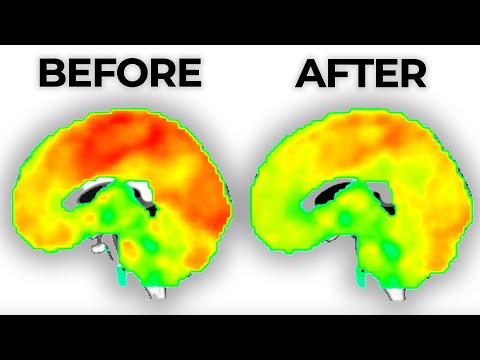
So, you’ve been hearing a lot about sertraline, huh? You’re not alone. It’s one of those meds that people seem to mention all the time, especially when they talk about mental health.
But like, what’s the real deal with it? Sure, it can help with anxiety and depression, but what happens when you take it for a while? The long-term effects are kinda important to think about.
I mean, imagine being prescribed something that helps you feel better now but could change things later. That’s a pretty big deal! Let’s chat about what sertraline can do over time and how it might impact your mental health in ways you don’t expect.
Driving on Sertraline: What You Need to Know About Safety and Mental Health
So you’re curious about driving on sertraline and how it might affect your safety and mental health, huh? That’s a totally valid concern. Sertraline, which is an antidepressant in the SSRI family, has lots of benefits for people dealing with depression, anxiety, or OCD. But when it comes to driving and other activities that need focus and coordination, things can get a bit tricky.
First off, let’s talk about how sertraline affects your brain. It works by increasing levels of serotonin, a chemical that helps regulate mood. This can improve symptoms over time but might take a few weeks to kick in fully. You might feel lighter or more yourself after starting it—great news! However, some side effects can impact your ability to drive safely.
When you first start taking sertraline or if your dose changes, you may experience:
- Drowsiness: Some folks feel sleepy or fatigued.
- Dizziness: It can make you feel off balance at times.
- Nausea: This isn’t exactly the best feeling while driving.
- Difficulty concentrating: Sometimes the mind just feels foggy.
Now picture this: You’re on your way to meet some friends for dinner after starting sertraline. But out of nowhere, a wave of drowsiness hits you hard while you’re behind the wheel. That sudden exhaustion could make even the simplest drive feel like a chore. You see where I’m going with this?
It’s super important to pay attention to how you feel when you’re on this medication. Some people adjust fine and don’t notice any issues at all; others might really struggle initially. The key is not pushing it too soon.
Also—let’s not forget that everyone reacts differently to medications! Just because one person manages just fine doesn’t mean you will too. And sometimes those feelings creep up unexpectedly even after you’ve been on sertraline for a while.
Here are some points worth keeping in mind regarding long-term effects:
- Sensitivity: Over time you might become more sensitive to side effects again if something changes.
- Mood Variability: For some people, their mood might fluctuate based on life events or stressors after being stable for a long time on sertraline.
You gotta love how life throws stuff at us unpredictably! So if you’re experiencing increased anxiety or discomfort while driving way down the line, consider checking back in with your doctor.
And hey, what if you’re ever unsure? Just plain old listen to your body! If you’re feeling off when hitting the road or having trouble focusing, it’s absolutely okay to take a breather until things settle down again.
At the end of the day, safety comes first. Driving under any influence—medication included—demands full attention and clarity of mind. Always talk with your healthcare provider about any concerns related to driving while on sertraline so they can help tailor the treatment plan just for you!
Understanding the Impact of Sertraline on Mental Health: Risks and Considerations
So, let’s chat about sertraline. It’s one of those medications that’s often prescribed for anxiety, depression, and some other mental health stuff. Basically, it belongs to a family called SSRIs—Selective Serotonin Reuptake Inhibitors. They help boost serotonin levels in your brain, which can improve mood. But there are some important things to think about when it comes to long-term use.
One thing to consider is the impact on emotional regulation. For many folks, sertraline can help smooth out those intense ups and downs. I remember a friend who started taking it during a tough time. She told me how it felt like a heavy fog was lifting, allowing her to see life more clearly. But here’s the kicker—when you’ve been on it for a while, sometimes you might not feel as emotionally connected or you could even feel kind of numb.
Another concern is withdrawal symptoms. If you decide to come off sertraline, it’s crucial to do so under the guidance of a doctor. Some people experience flu-like symptoms or anxiety spikes because their body has grown used to the medication. Imagine stopping a rollercoaster ride abruptly—you might feel all sorts of dizzy and disoriented.
- Sensitivity Changes: Long-term users often report altered sensitivity to emotions or situations. You might find yourself feeling less impacted by things that would normally affect you deeply.
- Cognitive Effects: Some people worry about memory issues or concentration problems after extended use. It’s not super common but definitely worth noting if you feel like your brain isn’t firing on all cylinders like it used to.
- Potential Weight Changes: This one can be tricky! For some folks, weight gain happens due to changes in metabolism or appetite while on sertraline. That can lead to feelings about body image or self-esteem down the line.
A biggie is sexual side effects. Sometimes people on sertraline may experience decreased libido or difficulties with arousal and orgasm. You know? It can be really frustrating when you’re trying to connect with someone but feel held back because of medication effects.
It’s also essential to look at the overall picture in terms of mental health therapy and lifestyle changes alongside any medication like sertraline. Cognitive Behavioral Therapy (CBT), mindfulness practices, and even just connecting with friends can make such a difference when combined with meds! Remember my friend? After she got stabilized on sertraline, she also started attending therapy sessions regularly—which helped her navigate life much more effectively than just relying on pills alone.
The long-term impact of anything—sertraline included—really hinges on individual experiences and how your body reacts over time. Always keep your healthcare provider in the loop if anything feels “off.” Open dialogues about what you’re feeling are so important!
The thing is: being informed helps you make choices that align best with your mental health journey! Take care of yourself out there!
Understanding Jitteriness: Can Zoloft Contribute to Anxiety or Restlessness?
Jitteriness, you know, that feeling when your insides seem to vibrate like you’re running on caffeine? It can be super uncomfortable, and if you’re on medication like Zoloft, it’s totally normal to wonder if it’s playing a part in that sensation. So, let’s break this down a bit.
Zoloft, or sertraline to be all scientific about it, is an antidepressant that’s often prescribed for anxiety disorders too. It’s part of a class called SSRIs (Selective Serotonin Reuptake Inhibitors), which basically mean they boost serotonin levels in your brain. Serotonin’s kind of a big deal—it helps regulate mood, anxiety, and even impulse control. So while it’s helping some people feel more balanced mentally, there are others who might experience what you’re feeling—jitteriness or restlessness.
You see, with SSRIs like Zoloft, some folks report feeling a bit anxious or jittery when they first start taking them or even after dose adjustments. But what’s the deal with that? Well, our brains are pretty sensitive. When you suddenly change the levels of neurotransmitters like serotonin, it can sometimes lead to feelings of restlessness or increased anxiety. It feels weird and kind of counterintuitive when you’re trying to get help for those very issues.
Long-term effects are where things get interesting too. Over time, many people find that the initial jitteriness fades away as their bodies adjust to the medication. But others might still experience it months down the line. You could liken it to riding a roller coaster—you might feel uneasy at first but eventually settle into the ride.
There’s also something called activation syndrome, where a small percentage of individuals on SSRIs may feel an increase in anxiety or agitation initially before they hit that sweet spot of relief from depression or anxiety symptoms. It can be disheartening—like taking two steps forward and one step back.
So how do you handle this? First off, talk to your doctor or therapist about what you’re feeling! It’s important that they’re aware since they might suggest adjusting your dosage or possibly trying something different entirely if it’s really hard to manage.
Always remember that everyone reacts differently to meds. Just because one person sails smoothly through their treatment doesn’t mean another will have the same experience—even though we wish it worked out that way for everyone!
And let’s not forget—the mind-body connection is real! Stressors in life outside medication can amplify feelings of jitteriness too. So make sure you’re checking in with yourself holistically; sleep well, eat right when you can, and don’t hesitate to lean on your support system whenever needed.
In short: yes, Zoloft can contribute to feelings like jitteriness or restlessness for some people—especially during adjustments in dosage—but keep communication open with healthcare providers so they can help guide you through any bumps along the way!
Sertraline, huh? It’s one of those medications lots of folks find themselves prescribed when they’re battling anxiety or depression. I mean, it’s designed to help manage those overwhelming feelings, but what about the long-term journey? Let’s chat about that a bit.
So, picture this: you start taking sertraline. At first, it’s like someone turned the volume down on all that noise in your head. You’re feeling more like yourself again, which is honestly a huge relief. But as time goes on, you might wonder what’s happening under the surface—like, is your brain just getting used to this?
For some people, sertraline can be a real game-changer long-term. It helps maintain stability in mood and can prevent those low points from creeping back in. That’s super important! But it doesn’t come without its quirks. Some people report feeling emotionally numb after being on it for a while. Like they’re just going through the motions without really connecting to their feelings—or even things that used to spark joy.
Oh, and let’s not gloss over the side effects. Sometimes they pop up when you least expect ‘em! Weight gain is a common complaint after extended use. Or there could be issues with sleep or libido that make you raise an eyebrow or two.
Here’s a personal story: I know someone who started sertraline during a tough patch—lost their job and felt pretty low about everything. Fast forward a year later, they had found a new gig and felt much better overall! But there were moments when they’d say things like “I feel fine but almost…too fine?” It was as if feeling normal was slightly unsettling for them.
That leads us to withdrawal symptoms if they ever decide to stop taking it; sometimes the body doesn’t know how to bounce back right away. It can feel like this push-and-pull situation where you’re balancing between needing help and wanting to be free from meds.
At the end of the day, sertraline can have serious positive impacts on mental health for many folks over time—but it’s essential to keep an open dialogue with your healthcare provider about what’s going on for you personally because everyone’s experience is unique! You follow me? Long-term effects aren’t just black or white; it really depends on how it works with your individual brain chemistry and life circumstances.