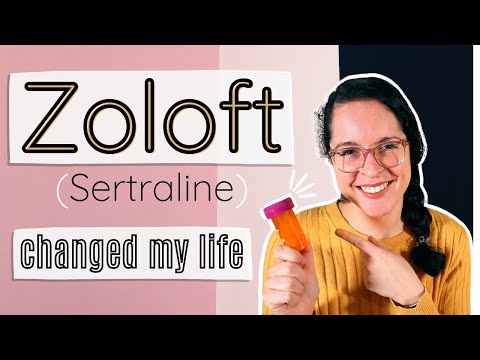
So, let’s chat about Zoloft for a sec. You know, that little pill many people take for anxiety and depression? It’s like a common go-to in the mental health world.
But here’s the thing—what happens when you’re on it long-term?
I mean, we all hear about the immediate benefits, but what about down the road? Like, does it change how you feel or look at life after years of use?
A friend of mine was on Zoloft for years and then suddenly decided to stop. The journey back to feeling like herself was no walk in the park. We’re talking ups and downs that really had her questioning a lot.
Yeah, it’s not just about popping a pill and everything’s fine forever. Let’s dive into some of those long-term effects—good and bad—so you can know what to watch out for!
Exploring the Long-Term Effects of Zoloft on Mental Health: What You Need to Know
Zoloft, or sertraline, is one of those selective serotonin reuptake inhibitors (SSRIs) that people often turn to for help with conditions like depression and anxiety. If you’re thinking about the long-term effects of taking Zoloft, it’s important to know a few things. Seriously, this stuff can be a game changer for many folks, but there’s more to it than just popping a pill.
First off, one key point is that Zoloft helps balance chemicals in your brain. It’s not a miracle cure; it takes time to work—often several weeks. You might feel more like yourself again as your brain gets used to those higher serotonin levels.
Now, the long-term use of Zoloft can lead to some changes. For many people, symptoms of anxiety and depression improve significantly over time. That’s awesome, right? But there are also concerns about potential side effects with long-term use.
Here’s where it gets a bit more complicated. Some people experience weight gain, which can be frustrating if you’re trying to maintain a healthy lifestyle. It’s not everyone who ends up gaining weight, but it is something you might want to keep an eye on.
Another thing? Sexual side effects. This can range from reduced libido to difficulty achieving orgasm—so that could definitely affect relationships or even how you feel about yourself. If this happens, don’t just sit there feeling awkward; talk to your doctor! They might switch you to another medication or adjust your dosage.
And then we have withdrawal symptoms. If someone decides they want off Zoloft after being on it for a while—because maybe they feel better or don’t like the side effects—they might encounter some pretty intense feelings during that transition. Symptoms like dizziness or brain zaps aren’t fun at all! That being said, working with your doctor on tapering off can really help ease this process.
Interestingly enough, some research suggests there could be emotional blunting with long-term use too. Some folks report feeling less able to experience emotions deeply—like happiness or sadness—after using Zoloft for extended periods. You know how when you’re at a party and everyone’s laughing but you just kind of feel…meh? Yeah, that’s what I’m talking about.
In terms of the brain’s chemistry itself: studies show that SSRIs can cause changes in neural pathways over long periods. This means your brain adapts somewhat differently when you’ve been taking Zoloft consistently—which is part of why stopping suddenly isn’t great either!
Lastly, while Zoloft works wonders for many people—and really has helped so many regain their quality of life—it’s always good practice to have regular check-ins with your healthcare provider about how it’s working for you over time.
So there you have it! The long-term effects of Zoloft aren’t all rainbows and sunshine; there’s complexity involved too. Staying informed and keeping an open line with your doctor makes all the difference in managing both its benefits and potential downsides effectively.
Overcoming Zoloft Brain Fog: Understanding Duration and Recovery
Dealing with Zoloft Brain Fog can be super frustrating. If you’re on Zoloft (sertraline), you might’ve noticed that sometimes your thoughts feel cloudy or fuzzy. It’s like trying to think through a foggy window; everything just seems a bit off. This brain fog can be more common in the early days of taking the medication, but some people experience it even after being on it for a while.
So what’s going on? Essentially, Zoloft works by adjusting levels of serotonin in the brain to help with mood disorders like depression and anxiety. But, as with many medications, it can come with side effects. Brain fog is one of those pesky side effects that just doesn’t seem to want to fade easily.
Duration of brain fog varies from person to person. For some, it might last only a few weeks as their body adjusts to the medication. Others might find that they continue experiencing cognitive issues for months, even years, after starting treatment. That said, you shouldn’t panic if this happens! It’s important to remember that everyone’s brain reacts differently to meds.
If you’re looking for recovery tips, here are some things you might want to consider:
- Stay hydrated: Seriously, water is key! Dehydration can worsen cognitive issues.
- Regular sleep: A good night’s sleep helps your brain function better.
- Nutritional support: Foods rich in Omega-3s or antioxidants can give your brain a boost.
- Mindfulness and meditation: Practicing mindfulness may enhance focus and reduce feelings of fogginess.
- Talk to your doctor: If the fog is really bothering you or impacting your daily life, reach out. They might suggest adjusting your dose or switching medications.
But here’s something crucial—don’t just stop taking Zoloft cold turkey because of these side effects! This could lead to withdrawal symptoms and make things worse than before.
A friend of mine had a rough time with Zoloft at first; she felt like she was in a haze all day long. It took her about three months before she began noticing clear improvement—not just in her mood but also in her mental clarity. And she made sure to chat regularly with her doctor about how she was feeling during this process.
While overcoming Zoloft brain fog is totally possible, patience is key here. Our brains take time to adjust when we’re messing with their chemistry! So hang in there—you’re not alone in this journey—and keep seeking support when you need it!
Understanding the Long-Term Effects of Sertraline on Brain Health
Sertraline, often known by its brand name Zoloft, is a medication that many people take for issues like depression and anxiety. It belongs to a class of drugs called SSRIs, which means selective serotonin reuptake inhibitors. This fancy term just means that it helps your brain keep more serotonin—the chemical that’s often linked to mood—in action.
Now let’s talk about the long-term effects. People tend to wonder how this medication affects the brain after taking it for an extended period. Here’s the scoop on what researchers have found:
- Neurotransmitter Regulation: Sertraline can stabilize neurotransmitters over time. Basically, it helps balance serotonin in your brain, making you feel more stable.
- Brain Structure Changes: Some studies have suggested that long-term use might lead to changes in brain regions related to mood regulation. This can help with emotional resilience.
- Risk of Dependence: You shouldn’t worry too much about being dependent on sertraline, but some people might find they feel a little *off* if they stop taking it suddenly.
- Cognitive Function: There’s ongoing research about whether long-term use impacts memory or thinking skills. So far, results are mixed—some say “yes,” while others have found no significant effects.
- Tapering Off: If you decide to stop taking it after a long while, tapering off gradually is usually recommended to reduce withdrawal symptoms like mood swings or agitation.
Here’s something personal—you know how life feels like an emotional rollercoaster sometimes? Well, imagine being on medication that smooths out those highs and lows for years. I had a friend who took sertraline for a bit; when she finally felt ready to come off it, she was nervous about reverting back to those intense swings. What helped her was understanding that her body might need time to adjust back.
Long-term usage may also come with side effects. Like any medication, some people experience weight changes or sleep disturbances when they first start taking it—or even later down the road.
In essence, while sertraline can be super beneficial in managing conditions like anxiety or depression over the years, every person’s experience is different. It’s essential to stay close with your healthcare provider throughout this journey; they can help monitor any changes in your mental health and adjust your treatment as needed.
So yeah, understanding these long-term effects can help you make informed decisions about your mental health journey!
So, Zoloft, huh? That’s one of those medications people often turn to when things get a bit rough mentally. You know, like when anxiety or depression feel like they’re crashing your party? But let’s chat about what happens down the road when folks have been on it for a while. It’s kind of interesting but also a bit concerning, maybe?
I remember talking to a friend who had been on Zoloft for over five years. At first, it seemed like a miracle pill—calmness replaced panic attacks and endless worry. She could finally enjoy a dinner without her heart racing or obsessing over every little thing she said. But after those years ticked by, she started feeling… different. Not in the “I’m better” way but more like “what’s happening to me?” She noticed that her emotions felt dulled—like she was watching life from behind a glass wall.
That emotional flatness can be one of the long-term effects that some people experience with Zoloft and similar meds. While it helps with anxiety or depression initially, there comes that moment when you realize you’re not really feeling much at all. It’s confusing and frustrating, especially if you thought this was going to be your ticket back to yourself.
And then there’s the whole withdrawal thing when it’s time to stop taking it—or even just when your doctor says you might want to lower the dosage. Some people report feeling super anxious again or dealing with weird physical symptoms like dizziness or headaches. It’s almost like your body is asking, “Hey! What happened to my normal?”
But here’s the kicker: everyone’s different! Some folks sail through long-term use without major changes in how they feel. For others, it gets complicated, mixing medical needs with emotional well-being—which can feel really tricky.
So yeah, while Zoloft can be a lifesaver for many at first, thinking about what might happen after years of use is just as important as recognizing its immediate benefits. It makes sense to stay in touch with your doc and talk openly about any weird feelings that pop up along the way. Remembering that mental health isn’t just about symptoms but also about feeling deeply connected to our emotions is key! Life’s too vibrant for gray areas all the time, right?