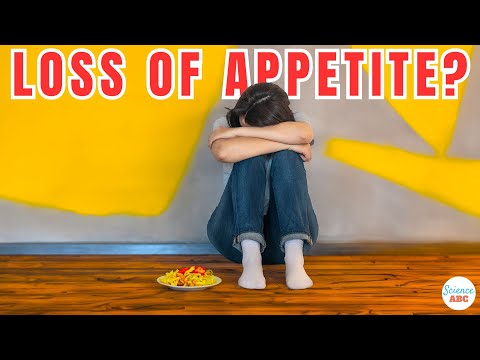
So, let’s chat about something that might not get enough airtime—loss of appetite when you’re dealing with depression. You know how it goes, right? One minute, you’re chowing down on your favorite snacks, and the next, food seems like a chore.
It’s like you’ve got this heavy fog sitting on your soul, and eating just feels pointless. I remember when a friend of mine went through this phase. It was heartbreaking to see them skip meals and lose that sparkle in their eye over food.
But here’s the thing: losing your appetite doesn’t just mess with your stomach. It can hit your mood hard too. So let’s dig into why this happens and what we can do about it together, yeah?
5 Effective Coping Skills to Manage Depression and Boost Your Mental Health
So, dealing with depression can be tough, right? One of the sneaky symptoms that often tags along is a loss of appetite. You might feel like food just doesn’t sound good anymore, which can totally mess with your energy levels and mood. But hey, there are ways to cope with this situation and boost your mental health at the same time. Here are five effective coping skills that might help you through this.
Create a Routine
Establishing a daily schedule can really help. It brings structure to your day and reminds you to eat, even when you don’t feel like it. Consider setting regular mealtimes. So, for instance, breakfast at 8 AM, lunch at noon, and dinner around 6 PM. Sticking to these times helps your body get used to eating even when your appetite is low.
Small Portions Matter
When you’re not feeling up to eating much, think about smaller meals or snacks instead of full courses. Maybe a piece of fruit or some yogurt will be easier than facing a plate of pasta. This way, you’re still getting some nutrition without it feeling overwhelming.
- Try nutrient-dense foods: Foods packed with vitamins and minerals can give you energy without needing a whole lot.
- Smoothies are another awesome option; they’re basically drinks but can be loaded with greens and fruits.
Connect With Others
Don’t underestimate the power of social connections! Talking with friends or family can provide emotional support while reminding you to take care of yourself. Maybe plan to have meals together or even just check-in over the phone to chat about how you’re feeling. Sharing what’s on your mind really helps lighten the load.
Mindfulness Exercises
Practicing mindfulness can calm those racing thoughts sometimes associated with depression. Things like meditation or deep-breathing exercises could take just a few minutes but make a difference in how you feel overall — including about eating! When you’re focused on your breath or present moment instead of spiraling into negative thoughts, you may find it easier to approach food differently.
Consult a Professional
If things feel too heavy or if loss of appetite persists, talking to someone like a therapist could provide relief and support tailored specifically for you. They’re trained in helping people navigate through emotions tied up in depression and its effects on daily life—like eating habits.
Life can get pretty overwhelming when battling depression and loss of appetite together—seriously no fun! But remember that taking small steps is key here; they might build up strength over time without needing massive changes all at once. Each effort counts.
Effective Strategies to Overcome Loss of Appetite Caused by Anxiety
Loss of appetite can feel like a heavy weight when anxiety comes knocking. It’s frustrating, right? You used to enjoy food, and now even thinking about it makes you feel uneasy. But there are ways to tackle this situation.
First off, let’s talk about small, manageable bites. If your anxiety is messing with your desire to eat, try to focus on tiny portions. Instead of a big plate of pasta or a massive sandwich, grab a few crackers or a small piece of fruit. What you’re doing here is easing into eating without overwhelming yourself.
And then there’s the whole idea of routine. Set a schedule for meals and snacks. Even if you’re not super hungry at breakfast time, sit down and have something small. Maybe it’s just yogurt or some toast. The goal is to build those habits back up little by little.
You might also want to consider eating what you love. It sounds basic but hear me out: think about your favorite comfort foods. When anxiety hits and you don’t feel like eating, reach for something familiar that brings joy. Maybe it’s cereal from childhood or that pasta dish your friend makes just right. It could spark some interest in food again.
- Smoothies are another great option! They’re easy to make and can be packed with nutrients without being too intimidating for your stomach. You can throw in fruits, yogurt, maybe even some spinach if you’re feeling adventurous!
Don’t forget about sitting with friends or family during meals. Having company can lighten the mood and make eating feel less like a chore and more of an enjoyable experience. You know how it goes—sharing stories or laughing over a meal can sometimes help ease that anxious grip on your stomach.
Breathe easy—mindfulness practices, like meditation or simply focusing on your breathing before eating, can be super beneficial too. When you take a moment to calm those racing thoughts and bring yourself back into the present, it can pave the way for better digestion and actually enjoying what’s on your plate.
If things still feel off after trying these strategies—and they sometimes do—don’t hesitate to reach out for professional help. A therapist can work with you through the anxiety that’s causing this loss of appetite; just talking it out might lift some weight off those shoulders!
The thing is: giving yourself grace during this time is key; be gentle with yourself as you navigate through it all. It’s alright not to have everything figured out right now—you’ll get there! Just keep trying different approaches until something clicks for you! Life’s too short not to enjoy what’s on our plates… seriously!
Dealing with a loss of appetite when you’re feeling down can be such a tricky situation. You know, sometimes it feels like your body just hits a big pause button on everything, including food. I remember a friend of mine went through this really tough patch. It was as if food had lost all its flavor and joy for him. He would just stare at his plate, and even his favorite meals didn’t seem to call out to him anymore. It was rough.
When depression kicks in, your body and brain kind of get out of sync, right? You might feel tired or overwhelmed, but the last thing on your mind is grabbing a snack or cooking something delicious. It’s like the very thought of eating becomes more exhausting than the feeling itself! There’s this whole emotional layer to it too; sometimes you don’t feel worthy of enjoying a meal or even think about it.
And it’s wild how that loss of appetite can spiral into even bigger issues like fatigue or irritability. Seriously, not eating enough can mess with your mood—like fueling a fire with barely any wood; you’re gonna run out fast. If you’re not taking in those nutrients, it’s also hard for your body to keep up with all those feelings swirling around.
So what can you do? Well, first things first: addressing this issue is crucial because food is kinda like fuel for your brain and body. Making little changes can help kick-start things again—maybe try keeping snacks nearby that are easy to grab, or even setting specific times to eat something small, like yogurt or fruit. Just making space for those small bites can gradually bring back some motivation around food.
Sometimes talking about it helps too! Sharing how you’re feeling with someone close can ease that burden and maybe guide you toward finding pleasure in meals again. It’s okay to ask for help if you need it—mental health professionals are super equipped to assist when you’re feeling stuck in these patterns.
It’s essential to remember that battling through depression isn’t about going zero-to-sixty right away; it’s more about small steps forward—even if they feel insignificant at first they add up over time. And who knows? One day you might find yourself yearning for that favorite dish again, just like my friend eventually did!