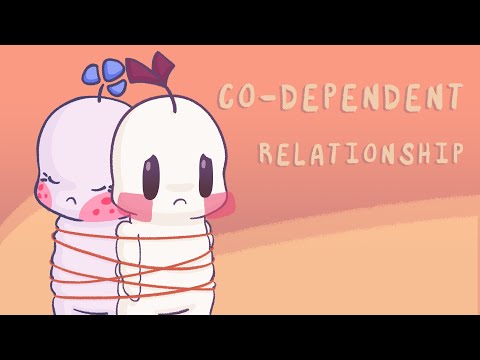
You know, love can be such a tricky thing, right? It’s amazing but, at the same time, it can feel like a rollercoaster.
Like, you start out all butterflies and giggles. But then… well, things can get complicated. Ever found yourself questioning if you really need that person? Or maybe you’ve felt like you’re losing yourself in the relationship?
Yeah, dependency in relationships is no joke. It’s kinda wild how we balance between wanting closeness and needing our own space.
So let’s unpack this whole love-and-dependency thing together. You know, figure out what’s healthy and what’s not. Because understanding it can change everything! Sounds good?
Unlocking Relationship Success: How the 3-6-9 Rule Can Transform Your Connection
Alright, let’s chat about something that can seriously shake up your relationship game—the 3-6-9 Rule. This idea is all about love and dependency, and how understanding these elements can help you strengthen your connection with your partner. So, stick with me here!
The 3-6-9 Rule is a guideline for improving communication and building intimacy. The basics are pretty simple: you dedicate 3 minutes each day to connect, 6 minutes to talk about your day, and 9 minutes for deeper conversations. Sounds easy enough, right? Well, it’s all in the execution.
This approach helps in a bunch of ways. One main thing is it shifts dependency into healthy interdependence. Dependency might feel cozy at first but can quickly become suffocating if one person feels overwhelmed by the other’s needs. You know what I mean?
A personal story: my friend Mark used to struggle with feeling smothered in his relationship because he felt like they were glued together 24/7. He started implementing the 3-6-9 Rule after some bumps—taking those little moments every day to connect without losing his own rhythm really changed things for him.
The beauty of this rule is in its simplicity; it encourages both partners to contribute equally without putting too much pressure on each other all at once. Just showing genuine interest goes a long way—and hey, if neither of you knows what deep stuff to talk about tonight? That’s okay! Sometimes just checking in is enough.
Another important note: consistency matters! Relationships thrive on regular check-ins and communication efforts over time. You don’t have to stick strictly to numbers either; adapt them based on what feels right for you both.
The 3-6-9 Rule can seriously revamp how connected you feel within your partnership by fostering open dialogue and emotional support while maintaining balance between individuality and togetherness—all vital ingredients for healthy love!
You might find yourself looking forward to those mini moments throughout the day as they become a sweet part of your routine together!
Repairing Codependent Relationships: Steps to Restore Balance and Health
Codependency in relationships can feel like a tightrope walk, where one person’s needs and emotions are so tied to the other that they lose sight of who they are. It’s kind of like when you’re so wrapped up in someone else’s life that your own needs get pushed to the backseat. Not cool, right? Let’s break down some steps that might help you repair those codependent bonds and restore a healthier balance.
Recognize the Signs
The first step is spotting when things have gone sideways. Codependent relationships often include:
You might think of it like a game where only one person keeps score, but both are affected by the outcome.
Establish Boundaries
Setting clear boundaries is crucial. This means figuring out what you are comfortable with and what makes you feel overwhelmed. Start small, maybe with something simple like needing an hour of alone time each day.
Imagine you come home from work, exhausted. Instead of immediately jumping into your partner’s problems, take a breather! You need some time to recharge before diving into their stuff.
Communicate Openly
Healthy communication is key here. You both need to express your feelings honestly without fear of judgement. This isn’t about blaming; it’s more about sharing how certain behaviors make you feel.
Let’s say your partner always interrupts when you’re talking. Instead of bottling it up, tell them how it feels disrespectful or frustrating when that happens. Use “I” statements—like “I feel unheard when…” instead of “You always…” This keeps things from getting too heated.
Pursue Individual Interests
It can be easy to lose yourself in a relationship. That’s why picking up hobbies or spending time with friends outside of your partnership is essential. When both partners have their own lives, it creates space for healthier interdependence rather than clinging dependency.
Think about reconnecting with an old passion—whether it’s painting or hiking—something just for you!
Seek Professional Help
Sometimes outside help can make all the difference. A therapist can provide insight and tools tailored just for your situation. They help guide conversations around deeper issues and equip both partners with skills to communicate better.
Consider this: therapy isn’t just about fixing problems—it brings perspective and healing too!
Practice Self-Care
Taking care of yourself can sometimes feel selfish in codependent relationships, but seriously, it’s not! You need to meet your own needs before helping someone else effectively.
So indulge yourself! Whether that means taking long baths or just binge-watching your favorite show guilt-free—make self-care a priority.
Be Patient and Stay Committed
Repairing codependency won’t happen overnight; it takes time and effort from both sides. There will be ups and downs along the way but remain committed to the process even when things get tough.
Maybe there will be days when old habits resurface? That’s part of the journey!
In wrapping all this up (not gonna lie, I hope this helps), remember that restoring balance isn’t about erasing love but enhancing it by grounding each partner as individuals first! So keep moving forward together—it could lead you down a healthier path filled with growth, understanding, and mutual respect!
Understanding Love and Dependency in Relationships: A Psychological Perspective
Understanding love and dependency in relationships is a bit of a tricky business. It’s like walking a tightrope. On one side, you’ve got the sweet, warm feeling of love, and on the other, there’s that sticky stuff we call dependency. And those two can get tangled up in some not-so-fun ways.
Love is often seen as this beautiful emotion that connects people. It’s about caring for someone deeply, wanting to support them and share your life with them. But what happens when that love crosses into dependence? That’s when it starts to get complicated.
You know how sometimes you just can’t imagine life without your partner? It feels amazing at first; it’s like this intense connection that makes everything bright. But then, if you find yourself relying on them for your happiness or self-worth? That’s a red flag. Dependency can sneak up on you. It’s like being so attached to someone that their moods and actions dictate how you feel.
Think about it:
That emotional rollercoaster isn’t just exhausting; it can also be unhealthy.
Psychologically, this kind of dependency often roots itself in our early experiences. If we grew up in an environment where love felt conditional—like only being valued when we performed well or met expectations—we might carry that into adulthood. Our partners become the focus of our self-worth because we’re wired to seek validation from them.
You might be thinking about that friend who always needs reassurance from their partner or someone who stays in a relationship out of fear of being alone. This pattern can stem from attachment styles developed during childhood. If someone has an anxious attachment style, they might become overly dependent on their partner for emotional support because they fear abandonment.
But here’s the thing: love should encourage growth, right? When dependency takes over, it stifles individuality. You might lose sight of who you are outside the relationship—your interests, dreams, and friendships can start to fade away.
So how do you recognize when love tips into unhealthy territory? Look for these signs:
This doesn’t mean loving someone is wrong; it’s normal and beautiful! It becomes an issue when the balance shifts too far toward needing rather than wanting each other.
If you’re feeling stuck in a cycle of dependency but crave more independence alongside love, consider exploring this with a therapist. They can help untangle those feelings and work towards healthier patterns—a space where both partners uplift each other while still maintaining their own identities.
In relationships, it’s all about finding that sweet spot where love enhances your life rather than dictates it. So embrace the warmth of your feelings but keep an eye out for those warning signs! You deserve a relationship that’s healthy while still being deeply connected—and that’s totally possible!
So, let’s chat about love and dependency in relationships. It’s like this tightrope walk between feeling all warm and fuzzy inside and then finding yourself a bit too reliant on your partner, you know? I mean, who hasn’t been there?
I remember a friend of mine named Sarah. She was in this intense relationship where everything felt perfect at first. They were inseparable, always hanging out together, sharing everything – like way too much pizza and Netflix binges. But over time, she started noticing that her happiness seemed to hinge on him. If he was having a bad day, she felt it too. It’s like her mood was tethered to his.
That’s the tricky part with love; when it starts to bleed into dependency. You want to feel connected and loved, but sometimes that connection can become suffocating. Dependency might sneak in when one partner leans heavily on the other for emotional support or decision-making. It can be subtle at first but then bloom into something heavier.
From a psychological perspective, attachment styles play a huge role here. If someone has an anxious attachment style, they might constantly seek validation from their partner. On the flip side, someone with an avoidant style may pull away when things get too close or intense. This push-pull can stir up all sorts of feelings.
There’s also this thing called “enmeshment,” where boundaries blur and individuals lose themselves in the relationship dynamics. Picture that classic couple who finish each other’s sentences but also start losing sight of who they are as individuals—that’s enmeshment for you.
But hey! A little dependency isn’t always bad; it can actually enhance intimacy if balanced well! It’s normal to lean on each other during tough times; you’re human after all! The key is recognizing where love ends and dependency begins—finding that sweet spot of support without losing yourself.
Ultimately, fostering healthy communication is essential in navigating these waters. Talk openly about needs and boundaries! You gotta find that balance so you can enjoy each other without feeling trapped or consumed.
So yeah, love can be a beautiful mess sometimes—you just gotta remember to keep some space for yourself while you’re at it!