You know that feeling when you just can’t get someone out of your head? It’s like love has its own set of rules, right? Well, that’s where attachment styles come into play.
Basically, these styles shape how we connect with others. They impact everything: from our first crush to those deep, long-term relationships.
But why do some people cling tightly while others keep their distance? And what does it all mean for your love life?
Let’s dig into the psychological roots of those attachment styles. We’ll uncover how they form and how they influence the way we give and receive love. So, buckle up!
Understanding the Most Challenging Attachment Style to Love: Insights and Strategies
Attachment styles can really shape how you love and connect with others, right? Seriously, figuring out these styles can shed light on why some relationships feel so complicated. If you’re curious about the toughest attachment style when it comes to love, it’s often thought to be the **anxious attachment style**. Let’s break it down.
People with an anxious attachment style tend to crave closeness but also fear abandonment. It can feel like this constant push-and-pull in their relationships. You might find yourself thinking, “Do they love me enough?” or “What if they leave me?” This nagging worry can create tension, making it tough to just relax and enjoy being with someone.
So what leads to this anxious attachment? Well, think back to childhood experiences. If caregivers were inconsistent—sometimes nurturing and sometimes distant—it creates a sense of unpredictability. You learn to be hyper-aware of others’ signals. It’s like wearing emotional glasses that magnify every little sign of affection or lack thereof.
Now let’s talk about what it feels like in practice. Imagine you’re dating someone new, and things are going great—then suddenly they don’t text back for a few hours. Your heart drops and your mind races through all these scenarios: “Did I say something wrong?” or “Are they losing interest?” It’s exhausting!
What strategies can help? Here are some that might make the journey smoother:
- Acknowledge Your Feelings: Recognizing those anxious thoughts is key. Just because you feel them doesn’t mean they’re true.
- Communicate Openly: Share your feelings with your partner. Telling them how you feel can help build trust.
- Practice Self-Soothing: When anxiety spikes, find ways to calm yourself down—deep breathing or grounding exercises work well.
- Seek Therapy: A therapist trained in attachment styles or relationship dynamics can provide tools tailored just for you.
- Create Secure Relationships: Surrounding yourself with secure friends who offer stable support helps decrease anxiety in romantic contexts.
Building security takes time! But remember, you’ve got the power to reshape how you connect with love as an adult.
It’s totally possible to move toward a more secure attachment style over time—it often means practicing patience with yourself and maybe some vulnerability with others. Each step counts!
“Understanding the 4 Attachment Styles in Psychology: A Guide to Healthy Relationships”
Understanding attachment styles is super important when it comes to relationships. These patterns shape how you connect with others, you know? Basically, the way you formed bonds in childhood can influence how you handle love and intimacy as an adult. There are four main attachment styles, and here’s a breakdown of each one.
1. Secure Attachment
This style is all about feeling comfortable with closeness and independence. People with a secure attachment usually had caregivers who were responsive and reliable. They tend to communicate openly in relationships and handle conflict like pros. Imagine someone who’s not afraid to share their feelings or ask for help without freaking out. That’s a secure person!
2. Anxious Attachment
Folks with an anxious style often worry about their partner’s love and commitment. This typically stems from inconsistent caregiving during childhood—one day they got attention, the next day they didn’t. It’s like that feeling of waiting for a text reply that never comes! They might appear clingy or overly sensitive to their partner’s behaviors—like if you’re busy one night, they may think something’s wrong.
3. Avoidant Attachment
Now, if someone has an avoidant attachment style, they might struggle with intimacy or rely heavily on self-sufficiency. Often these people learned to be independent because their caregivers were distant or unresponsive. Picture someone who values their freedom so much that they shy away from emotional connection—like always keeping people at arm’s length so they don’t get hurt.
4. Disorganized Attachment
Then there’s disorganized attachment, which can feel like a rollercoaster ride! This combines elements of anxious and avoidant styles—think of it as confusion in relationships. People here might have experienced trauma or chaotic home environments growing up, leading to unpredictable behavior in romantic relationships—one minute they’re affectionate, the next they’re withdrawing completely.
So how do these styles impact your grown-up relationships? Well, secure types often create healthier, more stable partnerships; anxious types might cause drama over perceived slights; avoidant types could end up alone when things get too close; and disorganized folks tend to be caught in a cycle of push-pull dynamics that’ll leave everyone dizzy.
Recognizing your own attachment style is crucial! It opens the door to understanding your patterns better so you can learn healthier ways to connect with your partner—or maybe even friends and family too! If you find yourself saying «Oh wow, that’s totally me,» you’re on the right path.
In summary: Your childhood experiences shape how you love as an adult—knowing these styles gives you valuable insight into why relationships feel the way they do for you and those around you! So whether you’re navigating dating or friendships, it’s powerful knowledge that can help create stronger connections down the line.
Discover Your Attachment Style: Take the Ultimate Attachment Styles Test Today!
So, let’s chat about something that affects pretty much all of us at some point—attachment styles. Ever noticed how the way you connect with people might feel different than how others do? Well, that’s likely linked to your attachment style. Here’s the lowdown.
Attachment theory basically says that the way we bond with others often comes from our early relationships, particularly with caregivers. It shapes how you relate to your friends, family, and romantic partners. There are four main attachment styles:
- Secure: This style means you’re comfortable with intimacy and independence. You trust easily and communicate openly.
- Avoidant: If you have this style, you might value independence to the point where closeness feels a bit suffocating. You probably keep your distance in relationships.
- Anxious: Anxious types tend to worry about their partner’s availability and commitment. You might feel clingy or overly dependent at times.
- Disorganized: This is a bit of a mixed bag. People with this style often have unpredictable behaviors in relationships, stemming from trauma or fear.
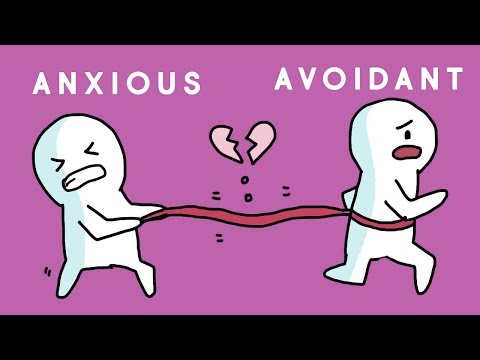
Now, understanding your own attachment style can seriously change the game when it comes to relationships. For example, if you’re anxious and keep finding yourself feeling ignored or unimportant by a partner who’s avoidant, it’s good to know why that dynamic exists. It’s like having a map for navigating the emotional terrain you find yourself in.
Taking an attachment style test can be really enlightening! These tests usually ask questions about your feelings and behaviors in situations involving intimacy and emotional connection. They help pin down where you fall on that spectrum—whether you’re more secure or leaning toward avoidant or anxious tendencies.
A friend of mine took one of these tests recently—it revealed she had an anxious attachment style. She was shocked because she always thought her clinginess was just her personality! But knowing this helped her realize it came from deeper roots; now she’s working on feeling more secure in her relationships.
Understanding these styles isn’t just for dating either; it plays into friendships and family dynamics too! By recognizing patterns in how you attach to others (and how they attach back), you can make more informed choices about who you surround yourself with.
In short, discovering your attachment style is like shining a flashlight down an unknown path—helping you see what’s ahead and avoid unnecessary bumps along the way! So if you’re curious about how this all shakes out for you personally, maybe give one of those tests a shot? It’s kinda eye-opening!
You know, love can be such a wild ride, right? Sometimes it feels great, and other times, it’s like riding a rollercoaster you didn’t sign up for. The thing is, a lot of that has to do with something called attachment styles.
So here’s the deal: attachment styles are basically how you connect with others based on your early experiences, usually with your caregivers. It’s like a blueprint for navigating relationships later in life. Secure, anxious, avoidant… they’re all sorts of styles. But how did we get there?
Think back to childhood—the hugs after a bad day or the way your parents reacted when you were upset. For instance, I remember my friend Lisa who always needed reassurance from her partner. She was super loving but also kind of clingy sometimes. Turns out she grew up in a home where love felt conditional; she had to earn it through good behavior or grades. That need for affirmation carried into her adult relationships.
On the flip side, you’ve got someone like Tom who’s all about keeping his distance in relationships. He never really lets anyone in—his childhood wasn’t exactly warm and fuzzy either; his parents were often emotionally absent. So now he struggles to trust people or get close enough to let them see his true self.
Isn’t it fascinating? These early experiences can shape our hearts and minds in ways we might not even realize until we’re knee-deep in feelings and relationships—or avoiding them altogether! It’s like wearing invisible glasses; you see the world through those lenses without noticing they’re not even yours.
I mean, we all want connection and intimacy at some level, right? But if your attachment style is on the anxious side or you tend to avoid closeness altogether, it can turn love into something that feels more scary than sweet.
So understanding these roots can really help us make sense of our relationship patterns. It’s like discovering why you approach things a certain way—seeing where those feelings come from can be super liberating! And maybe even help you find healthier connections down the line.
In the end, love is complicated but figuring out where those attachments come from might just make it feel a little less chaotic—and more meaningful too.