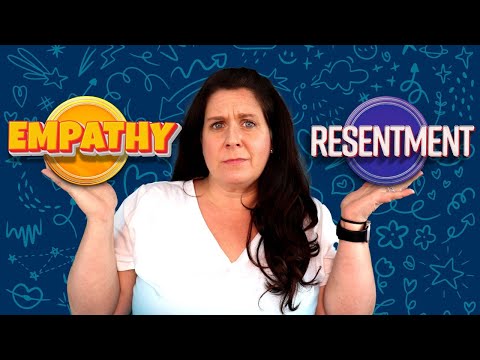
Loving someone with an addiction is tough. Like, really tough. You want to help, but you also need to take care of yourself. It’s a wild balancing act.
You might feel this swirl of emotions—love, frustration, sadness, hope. One minute you’re cheering them on, and the next? You’re just plain exhausted.
It’s so easy to lose yourself in their struggle. But what about your own needs? That’s super important too, right?
If you’re here, maybe you’ve been feeling a bit overwhelmed or just plain confused about it all. Trust me, you’re not alone in this. So let’s talk about loving an addict while still nurturing your own wellbeing—you deserve it!
Supporting a Loved One: Effective Ways to Love Someone Struggling with Addiction
Supporting someone with an addiction can be a real rollercoaster, can’t it? It’s tough to see a loved one struggle, and figuring out how to help without losing yourself in the process is like walking a tightrope. The thing is, you want to be there for them, but your well-being matters too. So, let’s break this down.
Understand the Addiction
First off, it helps to educate yourself about addiction. It’s not just a bad habit; it’s often about emotional pain or trauma. When you get that, it can change how you react. You might find yourself feeling less angry or frustrated and more empathetic. Understanding that they’re not choosing this pain can be incredibly powerful.
Set Boundaries
Now, boundaries might sound harsh, but they’re super important. You can love someone without letting their struggles consume you. It’s okay to say no sometimes or not give them money if you know they’ll use it for their addiction.
This protects both of you and lets them know there are limits.
Encourage Professional Help
Encouraging your loved one to seek help can feel scary but necessary. Suggesting therapy or support groups like Narcotics Anonymous could be life-changing for them. You could say something like: “Hey, I noticed you’ve been struggling, have you thought about talking to someone who can really help?” Just make sure you’re gentle with your approach so it doesn’t come off as judgmental.
Your Own Support System
Look, supporting someone through this is exhausting—mentally and emotionally! That’s why having your own support system is crucial. Make time for friends or family who understand what you’re going through. Talking things out with people who care about you gives you strength and perspective.
Practice Self-Care
You’ve gotta prioritize yourself too! Take breaks from caregiving when needed—like hitting up a yoga class or binging your favorite show guilt-free.
,
, or even just chilling with a good book—these are all ways to recharge your emotional batteries.
Cultivate Open Communication
When dealing with addiction in a loved one, communication is key! Create an open space where they feel safe sharing without fear of judgment. Ask questions rather than yelling accusations: “What do you need right now?” gives them the chance to express themselves rather than feeling attacked.
Avoid Enabling Behavior
It’s natural to want to shield someone from pain—but sometimes helping too much isn’t helpful at all!
If they miss work because of their addiction and you’re talking to their boss on their behalf? That could backfire big time!
Involve Them in Decisions
If your loved one is open to discussing their situation (and hey, that might take time!), involve them in decisions about treatment options or recovery plans. This empowers them instead of making it feel like you’re dictating what happens next.
Supporting a loved one dealing with addiction isn’t easy—it’s full of ups and downs—but remember: striking that balance between being compassionate and taking care of yourself is totally possible! Trust that showing love means taking steps towards healing together while still standing firm on your own feet.
Understanding the 3-Month Rule in Mental Health: Insights and Implications
The 3-Month Rule in mental health is one of those guidelines that can really help if you’re trying to navigate the tricky waters of loving someone struggling with addiction. Basically, it suggests that after three months of sobriety, things might start to stabilize a bit. But there’s more to it than just counting days. Let’s break it down a little.
You know how when you first start dating someone, everything is all butterflies and excitement? Well, that initial phase can lead you to overlook some red flags. In the context of addiction, this rule comes into play by giving both partners some breathing room. After three months without substances, the addict often has a clearer head and more stable emotions. This doesn’t mean they’re cured; it just indicates progress.
During those first three months, emotions can run high—lots of ups and downs. The person in recovery might seem great one day and then struggle the next. It’s tough on loved ones because you want to be supportive but also need to protect your own well-being. That’s why self-care becomes critical.
- Recognize your limits: It’s totally okay to set boundaries. If something feels off or triggering for you, don’t hesitate to take a step back.
- Communicate: Keep talking with your partner about what you’re feeling. Open conversations can prevent misunderstandings down the line.
- Seek support: Whether through friends, family, or support groups, having a network is vital for your emotional health during this time.
A friend of mine once dated someone who had just gotten out of rehab. For the first couple of months, they were on cloud nine—everything seemed perfect! But as time went on, my friend noticed signs that were concerning: mood swings and anxiety triggered by old habits kicking back in. So after about three months into things, they had a heart-to-heart where my friend laid out their feelings honestly but kindly.
This leads us to an essential part: even if things improve past that three-month mark, staying vigilant matters just as much as ever! Recovery is rarely linear; expect twists and turns along the way.
If their recovery hits bumps in the road later on or even lapses back into old behaviors—which sadly happens—you’ve got choices on how to react while maintaining your balance. Remember that caring for yourself isn’t selfish; it’s necessary for any relationship’s health!
The bottom line? The 3-Month Rule isn’t about putting pressure on anyone; it’s simply a framework for evaluating changes over time in dealing with addiction in relationships. So take pauses when needed! Ultimately loving an addict means supporting them while not losing sight of yourself along this challenging journey.
10 Phrases to Avoid When Supporting a Recovering Addict: Promoting Compassion and Understanding
Supporting someone recovering from addiction can be a delicate dance. You want to be there for them, but sometimes what we say can make things worse. Here are some phrases to avoid, along with some insights to help you tread more gently.
“Just stop using.” It sounds simple enough, right? But addiction isn’t like flipping a switch. It’s way more complicated. When you say this, it can feel dismissive and invalidate their struggle. Instead, try asking how they’re feeling or what they need.
“You’re being selfish.” This one cuts deep. When someone’s in recovery, they’re often fighting their own demons and might not even recognize how their behavior affects others. Focus on understanding their journey rather than labeling them.
“I thought you were better.” Yikes! This puts pressure on them and reinforces feelings of failure if they slip up. Recovery is an ongoing process with ups and downs. Acknowledging that can help create a supportive space.
“Why don’t you just choose to be happy?” Oh man, this one misses the mark completely! Happiness isn’t a switch they can flip on or off. Mental health issues often accompany addiction; it’s about addressing the whole person.
“It could be worse.” Sure, there are always worse situations out there. But minimizing someone’s pain isn’t helpful at all. Let them express their feelings without comparing struggles—that fosters real connection.
“You need to take responsibility for your actions.” While accountability is important, this phrase can come off as judgmental when someone is vulnerable in recovery. Try expressing support instead: “We’ll figure this out together.”
“I’m tired of your excuses.” That’s like waving a red flag! Excuses might be a way for them to cope or deflect from painful truths about their situation. Instead of reprimanding, engage in a conversation about what’s really going on.
«Why don’t you just go to rehab?» Rehab isn’t the magical solution everyone thinks it is—and not everyone is ready for it right away. Suggesting it as an option without pressure could open up dialogue: “Have you thought about talking to someone?”
«Everyone has problems.» This usually comes off as unsympathetic and diminishes what they’re going through right at that moment. It’s better to acknowledge that everyone’s journey with addiction looks different and deserves attention—yours included!
«You should be grateful for what you have.» This sounds well-meaning but often feels dismissive and patronizing during tough times. Compassion comes from connecting with their struggle rather than reminding them of perceived blessings.
Navigating conversations around addiction requires thoughtfulness and empathy, both for the recovering individual and yourself too! By avoiding these phrases, you’re making space for understanding—a vital part of healing not just for them but also in nurturing your own wellbeing as you support each other through this complex journey together.
Loving someone who struggles with addiction can feel like a wild emotional rollercoaster. You want to be there for them, but at the same time, it can be exhausting and painful. It’s like being on a seesaw—one moment you’re up, feeling hopeful, and the next, you’re down, weighed down by their struggles and your own worries.
I remember a friend of mine, let’s call her Sarah. She fell head over heels for someone who was deep into alcohol addiction. At first, she thought love could fix everything—she believed that showing support would bring him to his senses. But as days turned into months, she found herself losing bits of her own happiness along the way. She became anxious and stressed about his next binge or how she could “help” him recover. The thing is, you can love someone fiercely but still lose sight of your own needs in the process.
So where’s the balance? Yeah, supporting an addict is important, but so is looking after yourself—kind of like when you’re on an airplane and they tell you to put your oxygen mask on before helping others. It sounds cliché, but it really hits home here. If you’re not taking care of yourself—mentally and emotionally—you won’t have much left to give.
Finding ways to nurture your own well-being is crucial if you’re loving an addict. That could mean setting boundaries about what you’re willing to tolerate or seeking out support for yourself too—from friends or even therapy—just having those conversations can lighten the load a bit.
While it’s tough watching someone struggle with addiction—the cravings and relapses—it’s just as important to allow yourself grace during this process. You might feel guilty for wanting «me time» or needing space—don’t! You deserve joy too! Maybe it’s picking up that hobby you’ve shelved or indulging in a guilty-pleasure movie night alone without feeling bad about who’s not there with you.
Supporting an addict doesn’t mean you have to sacrifice your entire being—it means showing love while still having room for your own heart to breathe. So take care of yourself first; it’s more than okay—it’s necessary! That love you’re trying so hard to give? It flourishes best when it’s coming from a place of self-care and strength.