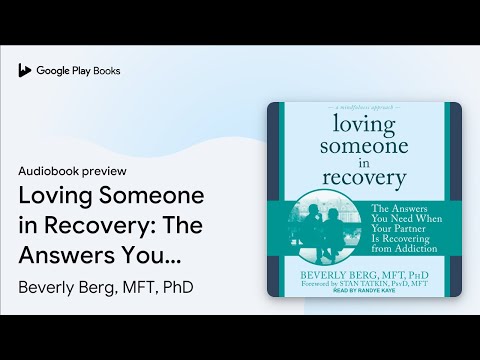
Have you ever tried to support someone who’s going through a tough time? It can be really overwhelming, right? You want to help, but you’re not sure how.
Watching someone you care about struggle can pull at your heartstrings. You feel their pain, their frustration. But then there’s this flicker of hope—you see them fighting to turn things around.
Loving someone while they’re on a recovery journey is like riding a rollercoaster. One minute you’re up, feeling hopeful and excited, and the next, you’re in the depths of confusion and fear.
But here’s the thing: your support means the world. Just being there for them is huge! It’s a wild mix of love, patience, and understanding that can make all the difference.
Discover the 5 C’s of a Healthy Relationship: Building Strong Connections for Lasting Love
When it comes to loving someone through their recovery journey, understanding the 5 C’s of a Healthy Relationship can really make all the difference. These C’s help you build strong connections that support your partner while they navigate their ups and downs. Let’s break them down.
- Communication: This is key! You gotta be open and honest with each other. If your partner is feeling overwhelmed or anxious, give them a space to share that without judgment. I remember a friend who was going through recovery. She often felt isolated but found comfort in talking to her partner about her feelings. Just knowing someone was listening helped her feel less alone.
- Commitment: Show that you’re in this for the long haul. It’s easy to say you’ll stick around during good times, but real love shines when the clouds roll in. Your commitment can be a source of strength for your partner as they work on their challenges.
- Compassion: Recovery isn’t linear; there will be bumps along the way. Approach your loved one’s struggles with kindness and understanding. If they have a setback, remind them it’s okay. Like, everyone stumbles sometimes, right? A little compassion goes a long way.
- Courage: It takes guts to be vulnerable and face tough emotions together. Encouraging your partner to talk about their fears or doubts might be scary for both of you, but it’s so important! You create an environment where both of you feel safe sharing what’s really on your minds.
- Connection: Find ways to strengthen your bond despite challenges. Maybe it means going on walks together or simply cuddling up and watching movies. Little moments count! Trust me, those small gestures often mean more than grand declarations.
So yeah, these 5 C’s are not just concepts; they’re like lifelines in building a healthy relationship while supporting someone through their recovery journey. With strong communication, deep commitment, boundless compassion, brave courage, and meaningful connection, you can create a love that lasts—no matter what life throws your way!
Understanding Stage Four Addiction: Signs, Symptoms, and Path to Recovery
Understanding stage four addiction is a bit like watching someone slowly become a shell of their former self. You know something’s off, but it’s hard to pinpoint exactly what. This stage is serious and can really alter someone’s life. At this level, the addiction takes over, leading to a variety of signs and symptoms that are, let’s just say, not pretty.
First off, you might start to notice that the person has a serious lack of control over their substance use. They’ll want to quit but find themselves unable to do so, almost like they’re stuck in an invisible trap. Picture your friend saying they’re done drinking but then showing up at the bar again just days later. That struggle between desire and reality can be heartbreaking.
Signs of stage four addiction include:
- Intense cravings: The need for the substance becomes overwhelming at times.
- Withdrawal symptoms: When they try to stop using, they might feel sick—like shaking or sweating.
- Deteriorating relationships: Friends and family often get pushed away as the addiction takes precedence.
- Risky behaviors: They might engage in dangerous activities just to get their hands on the substance.
And what about the symptoms? Well, they can vary from person to person but often look like this:
- Mood swings: One moment they’re happy; the next, they’re angry or sad—it’s exhausting.
- Neglecting responsibilities: Things like work or family commitments? Yeah, those get pushed aside.
- Physical health issues: Over time, you might see weight loss or other health problems appearing.
Now let’s talk about recovery because this journey isn’t just about pulling someone out of a dark place; it’s about hope and healing too! Supporting someone through stage four addiction means being patient and understanding. You have to remember that recovery doesn’t happen overnight—it takes time and effort.
People often start with detoxification—a process where their bodies clear out substances safely. It sounds simple enough when you say it quickly, but trust me; it’s anything but easy! After detox comes therapy—this part is vital! Therapy helps them uncover underlying issues driving their addiction.
And here’s where your support kicks in big time. Being there for them—listening when they’re frustrated or celebrating small victories—can make all the difference. Sometimes just being present is more powerful than words.
The path to recovery usually involves several steps:
- A support system: Family & friends play a crucial role during this phase.
- Counseling: Individual therapy or group sessions help in understanding triggers and coping mechanisms.
- Lifelong commitment: Recovery doesn’t end after rehab; it’s an ongoing journey requiring constant vigilance.
So yeah, dealing with stage four addiction is tough—for both the person struggling with it and for you as someone who cares. But don’t lose hope! Change is possible, even if it feels miles away sometimes. Remember that every step forward counts—even tiny ones can lead toward lasting recovery!
Understanding Rule 62 in Sobriety: Embracing Humor and Humility in Recovery
Sure, let’s take a look at Rule 62 in sobriety and how it plays into the recovery journey. If you’re close to someone going through this process, understanding this rule can really help both of you.
Rule 62 comes from Alcoholics Anonymous (AA) and it goes like this: “Don’t take yourself too damn seriously.” It’s kind of a wacky way to remind folks that, in recovery, humor and humility make things a bit lighter. Seriously, recovery can be heavy stuff, right? So having a chuckle now and then? That’s golden.
Now, what does embracing humor mean in this context? Well, when you’re recovering from addiction, life can throw some serious challenges your way. It’s easy to get caught up in the struggle—like the first time my friend Mark tried to order a soda water at a bar. He accidentally asked for “whiskey on the rocks” instead because he was so nervous! We all busted out laughing. That moment helped lighten his mood and reminded him he wasn’t alone.
Humility is equally important. Recovery often requires folks to recognize their limitations and ask for help—big step! It takes guts to reach out when you’re feeling vulnerable. You know? Imagine someone showing up at your door after months of dodging everyone because they were embarrassed about their drinking habits. Just seeing them step through that door means they’ve shown real bravery—you should celebrate that!
When you love someone in recovery, understanding Rule 62 can guide how you support them. Here are some points to remember:
- Stay Light-hearted: Encourage light banter about everyday things.
- Don’t Be Judgmental: Everyone has slip-ups; it doesn’t define them.
- Cherish Small Wins: Acknowledge progress with silly celebrations!
- Practice Self-Care: Supporting someone can wear you down; make sure you take care of yourself too.
With humor sprinkled throughout the tough moments, it creates a buffer against despair. It’s all about building resilience together.
As they navigate their recovery path, remember that laughter is just as valid as shedding tears over tough days. You both will learn together—that’s part of the journey! Sharing joy can build connections stronger than just sympathy or empathy alone.
In recovery circles—like AA meetings—you’ll often hear stories filled with wittiness even amid serious topics. That balance of laughing through pain helps create bonds among members; it’s like an unspoken rule that fosters community.
So here’s the bottom line: embracing humor and humility in sobriety isn’t just about being light-hearted—it speaks volumes about understanding the complexity of recovery itself. Being there for your loved one means sharing laughter and allowing space for vulnerability too.
Just remember: we’re all human here—embrace those quirks along the way!
Loving someone through their recovery journey can feel like a wild ride, right? It’s filled with ups and downs, twists and turns that can leave you both feeling a bit lost at times. I mean, when you’re watching someone you care about face their struggles—like the overwhelming weight of anxiety or the deep pit of depression—it can break your heart.
I’ll share a little story. A close friend of mine went through a tough patch after battling addiction. At first, I didn’t know what to do. I tried to be there for him, but sometimes all I could offer was my presence on those long nights when he felt alone in his head. It gets tricky; you want to help, but you also realize it’s not your journey—it’s theirs. Like, there’s this fine line between being supportive and accidentally taking on their burden.
And let me tell ya, those moments when they make progress? Pure magic! It’s like watching a flower bloom after being buried under snow for too long. But then there are those setbacks, too—moments that hit hard. You might find yourself feeling frustrated or helpless because, honestly, it can feel exhausting trying to cheer someone up when they just can’t see the light yet.
The thing is, it’s important to remind yourself to stay patient. Recovery isn’t a straight path; it’s more like a winding road with bumps along the way. And sometimes they might take two steps forward and one step back—it’s just part of the whole process. You’ve got to be willing to ride those waves along with them.
Also, don’t forget about your own needs while you’re at it! Seriously! Sometimes loving someone means knowing when you need a breather to recharge your battery too. It’s okay to set boundaries or seek support for yourself during this journey.
So yeah, love is definitely powerful—and it takes courage and resilience from both sides in recovery. Supporting someone doesn’t always mean having all the answers; sometimes just listening and showing up is enough. In the end, the bond grows stronger through these challenges if you’re both willing to be open with each other about what you’re feeling.
Ultimately though? You learn so much about empathy and strength—not just theirs but your own too—and that makes every step worth it.