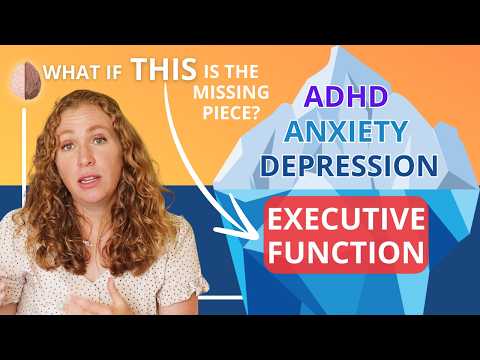
You know that feeling when you’ve got a million things to do, but you just can’t seem to get started? Yeah, that’s what low executive function can feel like. It’s like your brain’s a bit sluggish, and it’s throwing a wrench in your daily life.
Imagine waking up and staring at your to-do list, but instead of diving in, you’re scrolling through your phone. Or maybe you start one task but then get distracted by everything around you. Seriously frustrating, right?
This isn’t just about being lazy or unfocused. It goes deeper than that. Low executive function can mess with planning, organizing, and even keeping track of time. So let’s chat about what this really means for everyday stuff—like work, relationships, and self-care. You’ll see it’s something a lot of people struggle with!
Understanding Executive Dysfunction: Its Impact on Daily Life and Practical Coping Strategies
Executive dysfunction can feel like you’re stuck in quicksand. You know you need to get things done, but everything feels so heavy and hard to manage. So, what’s really going on here?
Basically, executive function is a fancy term for a set of mental skills that help you plan, focus, remember instructions, and juggle multiple tasks. People with low executive function often find themselves struggling with everyday tasks that others might breeze through.
You might be thinking, “What does this look like in real life?” Well, let’s break it down:
- Difficulty starting tasks: Imagine waking up with a to-do list that feels like it’s made of bricks. You know you have to clean the house, but just getting out of bed feels monumental.
- Problems with organization: Ever lost your keys or forgotten an appointment? Those simple oversights can snowball into bigger challenges when executive function is low.
- Poor time management: You might think you have all day to finish something. But suddenly it’s 5 PM and you’ve accomplished… well, not much. Yikes!
- Lack of motivation: Sometimes it’s like your brain hits the snooze button on every task. You know you should be working on that project for work or school but feel totally unmotivated.
This really affects daily life. You could end up feeling overwhelmed and maybe even a bit anxious because everything piles up! It’s exhausting—like running a marathon every day without training for it.
Coping strategies can help shift this heavy burden off your shoulders. Some practical ideas include:
- Create routines: Routines are your friends. Setting up regular schedules can guide your brain in knowing what comes next.
- Break tasks down: Instead of looking at the entire mountain of cleaning or studying—all those big tasks—you could chop them into smaller pieces, like cleaning one room at a time or studying for just 20 minutes before taking a break.
- Use reminders: Sticky notes or phone alarms can be lifesavers! A little nudge can keep you from forgetting important stuff.
- Avoid distractions: If you’ve got notifications buzzing everywhere while trying to work—or TikTok calling your name—it’s easy to lose focus! Finding a quiet space or using apps that block distractions can really help.
You’re not alone in this struggle; many people deal with executive dysfunction every day. And remember: these coping strategies aren’t one-size-fits-all—you might need to tweak them until they fit just right for you!
Beneath the weight of low executive function lies hope and strategies for improvement. It may take some effort and experimentation, but finding what works for your unique experience is key in navigating daily life with more ease.
Understanding the Impact: What Lack of Executive Function Feels Like and How It Affects Daily Life
So, let’s chat about executive function. You might’ve heard this term thrown around a lot, but what does it really mean? Basically, executive function involves a bunch of mental skills that help you manage your thoughts, actions, and emotions. Think of it like the control center in your brain. It helps you plan, organize, remember things, and even keep your emotions in check.
When someone has low executive function, everyday life can feel like navigating a maze blindfolded. You might struggle with working memory, which is the ability to hold onto information long enough to use it. For example, let’s say you’re cooking dinner and need to remember a few ingredients without writing them down. If your memory isn’t cooperating that day, you might forget something critical like salt or an important spice!
And then there’s task initiation. This is all about getting started on things. If you find yourself staring at a pile of laundry for hours without doing anything about it, that could be a sign of low executive function. You know what I mean? It’s like your brain says “Let’s do this!” but your body just stays put.
The impact on daily life is real and can feel overwhelming at times. You could miss deadlines at work because planning feels too big of a task or mess up simple errands because organizing them becomes too complicated.
- Time management: Struggling to estimate how long tasks will take can lead to chronic lateness or forgetting appointments altogether.
- Prioritization issues: You may find it difficult to figure out what needs immediate attention versus what can wait—like finishing that report instead of scrolling through social media.
- Emotion regulation: Low executive function affects how well you manage stress or frustration. A small inconvenience can feel like a huge deal.
- Transitions between tasks: Switching from one task to another can leave you feeling lost or scattered; ever felt frozen when suddenly faced with changing plans?
You know, I once talked to a friend who explained how frustrating this whole thing felt for him. He’d take forever just deciding what small thing to do next each day! He felt paralyzed by choices—should he clean the kitchen or start that book he wanted to read? It was exhausting for him just trying to figure out where to begin!
The good news is there are ways people can work on improving their executive functioning skills! Engaging in specific strategies like setting reminders on phones, breaking tasks into smaller steps, and using visual aids can help ease some of those daily challenges.
So if you’re facing these struggles or know someone who is, remember it’s totally okay! You’re not alone in feeling this way; many experience these challenges daily. And working towards better management doesn’t have to be scary—it can be kind of empowering!
Understanding Low Executive Function in Adults: Symptoms, Causes, and Coping Strategies
Understanding low executive function can be pretty eye-opening, especially if you or someone close to you struggles with it. Basically, when we talk about executive function, we’re referring to a set of mental skills that help us manage our thoughts, actions, and emotions. These skills are crucial for making decisions, organizing tasks, and even controlling impulses. When these skills aren’t working well—like when someone has low executive function—it can seriously affect daily life.
So what are some symptoms of low executive function? Well, you might notice things like:
- Difficulty planning: You know those days when your to-do list feels like Mount Everest? Yeah, that’s hard for someone with low executive function.
- Struggles with organization: Picture a desk piled high with papers. It’s tough to focus on what’s important when everything feels jumbled.
- Impulsivity: This can mean acting without thinking things through. Maybe you’ve seen someone buy something they didn’t need or blurt out something inappropriate at the wrong time.
- Trouble following through: Starting a project is one thing; finishing it can be another challenge altogether.
Imagine a friend who always forgets appointments or misplaces their keys. They might feel embarrassed or frustrated about it but can’t quite pinpoint why they struggle more than others do.
Now let’s talk about some causes behind low executive function. It isn’t always straightforward; there are several factors at play. Mental health issues like ADHD or depression can mess with these skills. Stress can also take a toll—ever tried to think clearly when you’re overwhelmed? It’s hard!
Another factor is neurodevelopmental conditions. For example, people with traumatic brain injuries often face challenges in this area because the brain’s pathways might not work as they should after such an event.
And then there’s aging! As we get older, our cognitive functions change too. Sometimes it’s just part of the natural process.
Coping strategies? Absolutely! Here are a few ideas that could make daily life smoother:
- Use visual aids: Things like calendars and checklists can help keep track of tasks more easily.
- Create routines: Having a set schedule helps build habits and makes decision-making easier.
- Break tasks into smaller steps: Instead of feeling overwhelmed by one big task, breaking it down makes things manageable.
- Ask for support: Seriously, asking friends or family for help isn’t a weakness—it’s smart! They can offer reminders or assistance when you need it most.
It isn’t easy dealing with low executive function; the emotional weight can be heavy sometimes. For example, I remember talking to someone who felt utterly defeated after repeatedly missing deadlines at work because their mind was racing in ten different directions.
So yeah, understanding this condition is key—not just for the person experiencing it but also for friends and family who want to help out. It’s all about finding out what works best and being patient through the process. With the right strategies in place and support from others, managing low executive function becomes much more doable!
You know, when we talk about low executive function, it’s like trying to drive a car with a flat tire. You can still go places, but it’s a bumpy ride, and you might not get where you want to be very smoothly. Executive function is all about those mental processes that help you plan, focus, remember things, and juggle tasks. It’s like your brain’s little manager making sure everything runs on schedule.
Imagine waking up in the morning and having this long list of things to do. But instead of feeling ready to tackle them all, you just stand there in front of the coffee maker thinking, “Where do I even start?” That was me a few months ago. I’d sit down with my planner—it looked beautiful and organized—but when it came time to actually sit down and get stuff done? Total blank. I felt overwhelmed by the details of even simple tasks.
And it’s not just about forgetting things or losing track of time. Low executive function can turn daily decisions into mountains. Like deciding what to have for dinner—what should be an easy choice can feel like a monumental task! You end up staring blankly at the fridge until you realize that it’s already way past dinner time.
In social situations, it shows up as that awkward pause when you’re trying to keep a conversation going but your brain just can’t find the words. I remember sitting around with friends one night and every attempt at conversation felt like pulling teeth because my thoughts were all jumbled together. It was frustrating!
Also, organization? Forget about it! My room looked like a tornado had hit. Finding things became an adventure—usually one filled with “Where did I put that?” moments. It added stress that really wasn’t necessary.
So basically, low executive function can affect almost every part of life—how you work, how you interact with others, even how you take care of yourself. Some days are definitely tougher than others; it’s like wading through mud instead of walking on solid ground.
The good news is there are ways to cope with this stuff! Whether it’s breaking tasks into smaller chunks or using timers or reminders—it helps make life feel less chaotic. And slowly finding ways to manage these challenges has been such a relief; like finally getting air back into that flat tire! So if you’re also struggling with this stuff, know you’re not alone—and there are definitely ways to navigate through it all together!