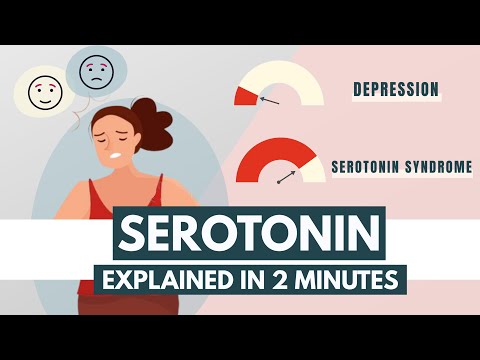
Hey there! So, let’s chat about something that’s been buzzing around the mental health world—serotonin. You’ve probably heard of it, right? It’s that little brain chemical that plays a big role in how we feel.
Feeling blue? Or maybe a bit anxious? Yeah, low serotonin levels might be behind that. It sounds kind of technical, but don’t worry; I’ll break it down for you.
Imagine your brain is like a party. Serotonin is the DJ, setting the mood and keeping everyone dancing. But what happens when the DJ goes on break? Well, things can get pretty awkward and uncomfortable real fast.
Let’s dig into how having low serotonin can mess with our minds and emotions—because believe me, it affects way more than just our mood! Ready? Let’s roll!
Signs of Low Serotonin: How to Identify and Address Your Mood Imbalances
So, let’s chat about serotonin. You know, that neurotransmitter that’s got a pretty big role in how you feel? It’s often called the «happy chemical,» and for good reason. Low levels of serotonin can totally mess with your mood and overall mental health. But how do you really spot that? And what can you do about it?
First off, what are the signs of low serotonin? It’s not always super obvious, but there are some telltale signs. Here’s a few to keep an eye out for:
- Persistent Sadness: If you find yourself feeling low or down for longer than usual, it could be a sign.
- Irritability: Feeling more grouchy or easily annoyed? That’s another clue.
- Anxiety: Increased feelings of worry or panic can indicate that your serotonin levels might be off.
- Low Energy: If everyday tasks feel like climbing a mountain, this might be linked to serotonin.
- Changes in Sleep Patterns: Trouble sleeping or sleeping too much? That’s worth noting.
- Appetite Changes: Eating way more or less than usual could also signal an imbalance.
You know, I used to have a friend who was super bubbly and fun. But then she went through some tough times—job loss and relationship issues. Over time, she became withdrawn and irritable. It was hard to see her like that, but I realized she was dealing with those classic signs of low serotonin. She just felt… stuck.
The thing is, when serotonin levels dip, it can affect your brain’s ability to regulate mood properly. That’s why paying attention to those signs is crucial! Now let’s get into how you might address these imbalances.
Taking Action: So what can you do if you’re spotting these signs? Here are some ideas:
- Talk to Someone: Professional help can be life-changing. Therapists often use different approaches like cognitive behavioral therapy (CBT) to tackle mood issues from different angles.
- Nutritional Changes: Eating foods rich in omega-3 fatty acids—like salmon and walnuts—can boost serotonin production!
- Adequate Sunlight Exposure: Seriously! Getting some sun helps your body produce more serotonin naturally.
- Exercise Regularly: Physical activity releases endorphins which elevate mood and promote serotonin release too.
If your mood swings feel significant or tough to manage on your own, don’t hesitate to reach out for help. There are various approaches—including therapy and sometimes medication—that doctors may suggest based on your specific situation.
The key takeaway here is: pay attention to how you’re feeling and don’t brush aside any changes in your mood or energy levels. Understanding what’s going on internally is half the battle! Remember my friend earlier? Well, once she spoke with a therapist and made small lifestyle adjustments, she slowly started feeling better again. It’s about progress!
Your mental health deserves attention just as much as your physical health does—so don’t hold back from seeking support when needed!
Boost Your Mood: 10 Effective Ways to Increase Serotonin Naturally
When we talk about mood and happiness, serotonin often comes up. It’s this nifty little neurotransmitter that plays a big role in how we feel. Low levels can leave you feeling, well, just blah. Seriously, when serotonin dips, you might find yourself battling anxiety or depression. So, let’s chat about some natural ways to give your serotonin levels a boost!
1. Get Moving
Exercise isn’t just for getting fit; it’s also a great way to lift your spirits. When you work out, your body releases endorphins and boosts serotonin production. Even a brisk walk can do wonders for your mood.
2. Sunshine is Your Friend
Ever notice how a sunny day just brightens your mood? That’s because sunlight helps your body produce vitamin D, which is linked to serotonin levels. Try to soak up some rays daily—just don’t forget the sunscreen!
3. Eat Well
What you eat matters! Foods rich in tryptophan (an amino acid) can help boost serotonin production. Think of turkey, eggs, nuts, and seeds as tasty options that support your mood.
4. Stay Hydrated
Water is super important for every function in your body—even mood regulation! Dehydration can lead to irritability and fatigue, which is definitely not what you want when trying to feel better.
5. Connect with Others
Social interaction can really uplift you! Just chatting with friends or family can release those feel-good chemicals in the brain. So pick up the phone or grab a coffee with someone you care about.
6. Practice Mindfulness or Meditation
Taking time to meditate or practice mindfulness helps reduce stress and improves emotional well-being. There are tons of apps out there that make it easy, so why not give it a shot?
7. Listen to Music
Music has the magical ability to change our moods instantly! Sing along or dance around—whatever gets you moving and grooving boosts those happy feelings.
8. Try Herbal Supplements
Some natural supplements like St. John’s Wort or Rhodiola Rosea have been linked to better mood regulation for some people—but always check with a healthcare provider before starting any new supplement!
9. Get Enough Sleep
Sleep affects everything from focus to emotional health! Aim for 7-9 hours each night so that you wake up refreshed and ready for whatever comes your way.
10. Laugh More!
Laughter truly is one of the best medicines! Whether it’s watching a funny show or sharing jokes with friends, laughing raises serotonin levels and makes everything feel lighter.
So there you have it—a bunch of ways that might help get those serotonin levels back on track naturally! It’s all about making small changes that add up over time; remember that even little efforts can lead to big improvements in how you feel day-to-day.
Exploring the Causes of Low Serotonin Levels: Understanding Mental Health Implications
So, let’s talk about serotonin levels and how they can affect your mental health. You might’ve heard that low serotonin can lead to stuff like depression or anxiety—and you’d be right. But what causes these low levels? Let’s break it down.
Serotonin is a neurotransmitter, which is basically a fancy word for a chemical in your brain that helps transmit signals between nerve cells. It plays a huge role in mood regulation, sleep, and even digestion. Basically, you want enough of it to feel good! When levels are low, it can lead to feelings of sadness, irritability, or even physical symptoms like fatigue.
- Genetics: Some folks just have a genetic predisposition to lower serotonin levels. If your family has a history of depression or anxiety, you might be more susceptible.
- Diet and Nutrition: Not getting enough tryptophan—a building block for serotonin—can be an issue. It’s found in foods like turkey, eggs, and nuts. You need good nutrition to keep those serotonin levels up!
- Stress: Chronic stress can mess with your brain’s ability to produce serotonin. Think about it: when you’re stressed out all the time, your body is stuck in fight-or-flight mode.
- Lifestyle Factors: Lack of exercise and poor sleeping habits can also contribute to low serotonin. Regular activity boosts all sorts of chemicals in your brain that help keep you feeling balanced.
- Medical Conditions: Some illnesses—like certain hormonal imbalances or chronic health conditions—might interfere with how well your body produces serotonin.
I remember talking to a friend who was dealing with some major ups and downs emotionally. She often felt exhausted and anxious but wasn’t sure why. After chatting with a therapist about her diet and stress levels, she found out that small changes made a huge difference! Adding more protein-rich foods into her meals helped boost her mood over time!
So what does this mean for mental health? Well, when serotonin levels are low, it’s like trying to drive a car on empty—you’re not going far without refueling! You might find yourself struggling with motivation or feeling more easily overwhelmed by negative thoughts.
The good news? There are ways to tackle this! Therapists often emphasize lifestyle changes alongside therapy or medications that help balance those serotonin levels out again.
Eating well, exercising regularly, getting enough sleep—these factors can’t be ignored!
If you think low serotonin could be affecting you or someone close to you, chatting with a healthcare professional could be the first step toward understanding what’s going on. Mental health is super important; don’t hesitate to reach out if something feels off!
You know, when we hear about serotonin, it’s easy to think of just another brain chemical that’s important. But low serotonin levels can be a real downer—literally. It’s like your brain’s way of saying, “Hey, I could use a little help here.” And that help is often really essential for keeping your mood stable and all that good stuff.
So, let me tell you a quick story. A friend of mine, Sarah, went through this rough patch where she just felt… off. She wasn’t motivated to do the things she loved. Her favorite hobbies? They felt like chores instead. After some time and a lot of talks over coffee—lots of coffee—she found out her serotonin levels were low. It wasn’t just in her head; it was something physical too. Just knowing that gave her some relief and kinda put things into perspective.
Low serotonin can lead to feelings of sadness or anxiety—it’s like walking around with this heavy backpack you didn’t even notice at first until it starts to weigh you down more than usual. You might have trouble sleeping or feel more irritable than normal. And then there’s this thing called depression; it can really be tied into these low levels.
But here’s the interesting part: boosting those levels isn’t always about meds—not gonna lie, sometimes it helps, but there are other ways too! Diet changes or regular exercise might do wonders because they can naturally elevate those serotonin levels. Ever heard of the «runner’s high?» That rush you get from running or working out? That’s your body giving you a little serotonin boost.
The thing is, if you’re feeling like Sarah did—or any kind of emotional funk—it doesn’t hurt to reach out for support from someone who gets it. You don’t have to go through the struggle alone; chatting with friends or a therapist can make all the difference.
Life is tough enough without adding more weight on our minds and hearts over stuff we can work on together—whether it’s boosting serotonin or simply being there for each other through thick and thin.