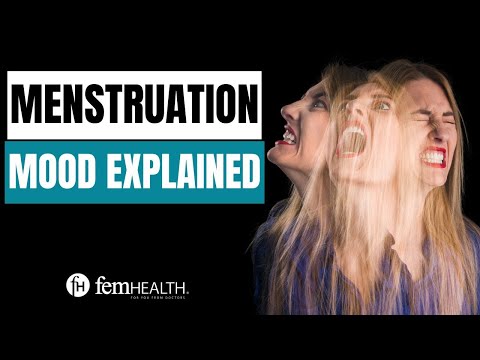
Alright, let’s talk about that time of the month. You know, when emotions seem to go haywire? Yeah, I’m talking about the luteal phase of your cycle.
It’s like one minute you’re totally fine, and the next you’re crying over a commercial about puppies. Seriously, what even is that?
These mood changes can be super confusing. They just pop up outta nowhere, and sometimes it feels like they’re in control instead of you! But guess what? You’re not alone in this rollercoaster ride.
So let’s dig into what’s happening during that luteal phase and how it messes with your mind—and maybe even your relationships a bit too. It matters more than you might think!
Understanding the Psychological Symptoms of the Luteal Phase: Insights and Management
The luteal phase is a part of the menstrual cycle, and it occurs after ovulation and before menstruation. During this phase, a woman’s body prepares for a potential pregnancy. But, like, it can also bring along some psychological symptoms that are pretty interesting to dig into.
You might notice *mood swings*, irritability, or even anxiety cropping up more during this time. This isn’t just in your head—the hormonal changes happening in your body play a big role. You see, right after ovulation, levels of progesterone rise sharply. This hormone is crucial for maintaining pregnancy but can also affect your mood.
During the luteal phase, some women report feeling more *sensitive*. You know those times when you feel like you’re on an emotional rollercoaster? Well, it’s not uncommon to feel overwhelmed by emotions or to be more prone to anger or sadness. Here are some symptoms you might encounter:
- Mood Swings: One moment you’re happy; the next, you’re crying over a commercial.
- Increased Anxiety: Little stressors might feel like giant mountains.
- Irritability: Small annoyances can suddenly feel huge and unbearable.
- Fatigue: You might just want to curl up on the couch for days.
- Cognitive Changes: It could be tougher to focus or make decisions.
These changes can be really frustrating—kind of like trying to do math with foggy glasses on. It’s important to remember that these symptoms often ebb and flow with your cycle. Some women feel it more intensely than others because everybody’s body reacts differently.
So how do you manage these symptoms? Well, there are several strategies you can try out:
- Diet Tweaks: Eating well-balanced meals rich in whole grains and veggies can help stabilize your mood.
- Exercise: Getting moving releases those lovely endorphins which might give you a natural boost.
- Meditation or Yoga: These practices can help ground you when emotions get overwhelming.
- Sleeeping Well: Prioritize good sleep; it makes everything easier!
If things start feeling particularly unmanageable—like if you’re missing work or social events because of how you’re feeling—consider talking with a professional. Sometimes just knowing there’s someone there who understands can be such a relief.
Remember that it’s totally normal to experience intense feelings during the luteal phase—it’s all part of the ride! Just don’t hesitate to reach out for support if you need it; taking care of your mental health is super important.
The Best SSRIs for PMDD: A Comprehensive Guide to Managing Symptoms
When we’re talking about PMDD, or Premenstrual Dysphoric Disorder, it can really mess with your emotions, especially during that luteal phase of your cycle. You know that time right before your period? Yeah, that’s when things can get really intense.
What’s PMDD? It’s not just regular PMS. This disorder comes with severe mood swings, irritability, and even depression. It’s kind of like a rollercoaster you didn’t buy a ticket for. The symptoms typically show up in the week or two leading up to your period and often go away once it starts. But while you’re in it? Yikes.
One common way to manage PMDD is through selective serotonin reuptake inhibitors (SSRIs). These medications help balance serotonin levels in your brain—serotonin is that feel-good chemical that plays a big role in mood regulation. Basically, they can help smooth out some of those wild emotional waves.
Now, when thinking about which SSRIs might be best for PMDD, there are a few key players you should know:
- Sertraline (Zoloft): Often prescribed because it tends to have a good track record with mood disorders. Many people find relief with this one.
- Fluoxetine (Prozac): Another common choice; it works well for some folks dealing with PMDD and might even help if you have anxiety too.
- Citalopram (Celexa): This one is more gentle on the system, making it suitable if you’ve had issues with side effects from stronger meds.
- Escitalopram (Lexapro): It’s similar to citalopram but might be more effective for some and has fewer side effects.
Each person reacts differently to these medications. So if one doesn’t click for you, there are options! It’s all about finding what works best for your body.
Many people start taking SSRIs daily throughout their cycle, while others might use them only during the luteal phase when symptoms peak. Seriously, no cookie-cutter approach here!
But don’t forget—medication isn’t the only route. Therapy can be incredibly helpful too! Sometimes just chatting through what you’re feeling can provide relief or coping strategies.
Let’s talk about side effects too because they’re part of the package deal with medication. You might experience things like nausea or sleep changes at first; many find these wear off after a bit of time though. Being open with your doctor about any hiccups is super important so adjustments can be made if needed.
Look, dealing with PMDD isn’t easy; it can sometimes feel isolating and overwhelming. You’re definitely not alone in this journey. Managing emotions during this time takes patience and exploration to find what truly works for you—whether that means meds, therapy, lifestyle changes—whatever fits best!
Finding support groups or talking through experiences with friends going through similar issues can also lighten the load significantly. Not everything has to be clinical; emotional connection plays a huge role in mental health as well!
In summary: SSRIs like sertraline or fluoxetine could be helpful allies against PMDD’s tough symptoms during that luteal phase marathon—but working closely with your healthcare provider is crucial so you don’t have to navigate those bumpy roads alone!
Understanding Hormonal Rage: What to Know Before Your Period
Alright, let’s talk about that time of the month and how your hormones can seriously mess with your mood. You know those days when everything seems to annoy you? That’s hormonal rage kicking in, especially during the luteal phase of your cycle.
The luteal phase is usually the last two weeks before your period. During this time, your body prepares for a potential pregnancy after ovulation. If nothing happens? Well, it’s all hormonal hell breaking loose. You’ve got that surge of progesterone and estrogen doing a bit of a dance, and this can lead to some intense emotional shifts.
- What’s happening hormonally? When progesterone levels rise, it can have a sedative effect on the brain. This makes some people feel more irritable or moody. It’s like you’re stuck in this emotional rollercoaster with loops and drops.
- Physical symptoms matter too. Things like bloating, breast tenderness, or even headaches can add to that irritation. If you don’t feel good physically, it’s hard to keep a cool head, right?
- Mood changes aren’t just «in your head.» There are real biochemical changes happening that affect how you feel. Some studies show a connection between these hormonal shifts and increased anxiety or depressive symptoms.
- Everyone experiences it differently. Some people might just feel a bit cranky, while others might experience anger so intense that they lash out at loved ones for no reason at all. It feels unfair!
You might’ve noticed yourself becoming overly sensitive to things you normally brush off—like when your partner forgets to take out the trash or when someone cuts you off in traffic. It seems small but trust me; during those luteal phase days? Everything feels like an avalanche.
This isn’t just about getting angry though; it goes deeper than that. Depression and anxiety can also flare up due to these hormonal fluctuations. Imagine feeling sad or anxious without really understanding why—it’s rough!
If you’re noticing these mood swings each month, talking about it with someone might help alleviate some stress around what you’re going through. And yes! Keeping track of your cycle using an app or journal could help identify patterns in how you’re feeling.
Support systems matter too! Whether that’s friends who understand what you’re going through or talking things through with a therapist who’ve seen similar cases before—you’re not alone in this struggle.
The truth is hormones are powerful players on the field of mental health during the luteal phase. So next time you feel that rage bubbling up outta nowhere? Remember: there’s usually more going on than just having a bad day!
So, let’s chat about that time in the menstrual cycle when things can feel a bit… off. You know, the luteal phase, which is that stretch after ovulation and before your period kicks in? For a lot of people, this time can be a rollercoaster of emotions. Seriously, it’s like riding a wave where one minute you’re on top of the world, and the next you’re like, “What even is life right now?”
During this phase, hormones—namely progesterone—are doing their thing. They help prepare the body for a potential pregnancy but can also mess with your mood. It’s wild how much impact these little chemical messengers have on your brain! You might find yourself feeling anxious or irritable more than usual. Maybe you snap at your partner for leaving dirty dishes in the sink when normally you’d just roll your eyes and laugh it off.
A friend of mine shared this experience where she would feel completely overwhelmed by sadness during her luteal phase. One minute she was laughing with friends; the next, she felt like she could cry over a commercial—a real tear-jerker about puppies or something! It caught her off guard every time and made her feel like there was something wrong with her when, really, it was just her hormones playing tricks.
This emotional whiplash can leave you wondering what’s going on inside your head. You might start questioning your relationships or feeling more self-critical than usual. That pressure to maintain stability while everything feels so jumbled? Yeah, that can be tough.
But here’s the thing: it’s not all doom and gloom. Recognizing these shifts may just help you ride out those waves instead of being slammed by them. Knowing when to expect mood changes can spark conversations with friends or partners—like having an open line that says, “Hey, I might need some extra hugs (or space) right now!”
The psychological effects aren’t merely something we should shrug off. They highlight an important aspect of mental health: how intertwined our emotional states are with our biological rhythms. There’s power in understanding oneself this way—it helps normalize those feelings rather than letting them spiral into confusion or anxiety.
So next time you’re navigating those luteal phase mood swings? Be kind to yourself—it’s all part of being human! And who knows? Maybe sharing experiences will help turn that ride into something a bit smoother for everyone involved.