Hey! So, you know how sometimes life just feels like a heavy blanket? Like, you can’t shake that funk?
Well, I’ve been hearing more about this thing called magnetic therapy. Sounds kinda strange, right? But seriously, some folks are saying it might help with those pesky depression symptoms.
Imagine zapping away the blues without having to rely on meds or endless therapy sessions. That’s what some people are hoping for!
Let’s chat about how it works and whether it might be worth a shot. You in?
Exploring Magnetic Therapy: A Comprehensive Guide to Its Effects on Depression
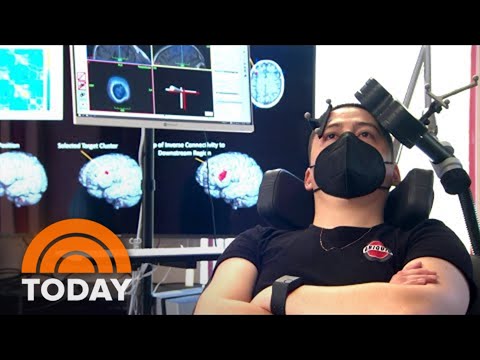
Magnetic therapy, or transcranial magnetic stimulation (TMS) to give it its fancy name, is one of those things that sound a bit sci-fi but could offer some help for folks dealing with depression. So what’s the deal with it? Well, this therapy uses magnetic fields to stimulate nerve cells in your brain. It’s like giving certain parts of your brain a gentle nudge.
Depression can feel like this heavy weight sitting on your chest, right? Sometimes, traditional treatments like medication or therapy don’t hit the mark for everyone. That’s where magnetic therapy comes into play. The idea is that by stimulating specific areas in your brain, you might boost mood and alleviate those pesky symptoms of depression.
You’re probably wondering just how effective this really is. Studies suggest that TMS can help reduce symptoms for people who haven’t had much luck with other treatments. In fact, many report feeling better after just a few sessions. But it’s not some miracle cure; it does take time and consistency.
The procedure is pretty straightforward. You sit in a comfy chair, and the doctor places a device near your head that delivers magnetic pulses. It doesn’t hurt—just feels like little taps on your scalp. And usually, each session lasts about 20 to 40 minutes.
Here are a few important things to consider about magnetic therapy:
- Non-invasive: Unlike some other treatments, TMS doesn’t require any surgery or anesthesia.
- Minimal side effects: Most people only experience mild discomfort at the site of stimulation.
- Multiple sessions: Typically recommended as part of a treatment plan requiring several sessions over weeks.
- Not for everyone: Certain conditions or medical history might make TMS less suitable.
A buddy of mine went through TMS treatment after battling severe depression for years without much relief from pills or talk therapy. He told me how weirdly relaxing those sessions felt! After about four weeks, he noticed that his mood lifted significantly; he could engage more in life again.
But here’s something you should know: while TMS has shown promise, it’s not always covered by insurance and can be pricey out-of-pocket depending on where you live.
In short, while magnetic therapy isn’t a one-size-fits-all solution and isn’t meant to replace traditional treatments completely, it certainly opens new doors for those looking for ways to manage their depression more effectively. And sometimes just having another option—a different tool in the toolbox—can make all the difference when you’re trying to climb out from under that cloud of darkness we call depression!
Uncovering the Magnetic Pull of Depression: Understanding Its Triggers and Effects
Depression, man, it’s like a heavy weight that just won’t lift. Honestly, it can pull you in, making everything feel dull and pointless. But you know what? Understanding why it can be so magnetic might help you or someone else navigate through that fog.
Triggers of Depression can vary widely. Some are emotional, while others are situational or even biological. Here are a few common ones:
- Genetics: If someone in your family has struggled with depression, you might be more vulnerable to it yourself.
- Stressful Life Events: Losing a job, a breakup, or the death of a loved one can really set things off.
- Health Problems: Chronic illnesses or even certain medications can contribute to feelings of sadness.
- Psycho-Social Factors: Isolation and lack of support from friends and family can keep that depression lingering.
And then there’s The Effects. Depression doesn’t just mess with your head; it impacts your whole life:
- Energy Levels: You might feel like getting out of bed is an Olympic sport some days.
- Mood Swings: One minute you’re fine; the next minute you’re crying over a commercial. Seriously.
- Cognitive Functioning: It’s hard to focus on anything when your mind feels like mush.
- Physical Symptoms: Yep! Sometimes depression shows up as headaches or stomachaches instead of sad feelings.
Now let’s talk about the thing that honestly fascinates me: how some therapies try to change this magnetic pull. Ever heard of Magnetic Therapy?? This isn’t magic trickery but rather a legit treatment that uses magnets to affect brain function. The idea is that applying magnets to certain areas could potentially ease symptoms of depression.
Research on this stuff is still ongoing, but some folks have reported positive effects from Magnetic Therapy. Think about it: if the brain isn’t firing on all cylinders because of chemical imbalances, adjusting the electrical connections might just give it the boost it needs. Kind of wild how our brains work!
But here’s where things get tricky: not everyone responds the same way. Like many treatments for mental health issues, effectiveness varies from person to person. That’s why having an open conversation with a healthcare provider is important.
So yeah, while we don’t have all the answers yet when it comes to understanding depression’s magnetic pull and how Magnetic Therapy fits in there, being aware of triggers and effects gives us some foundation to stand on when seeking help or supporting others struggling with these feelings.
At the end of the day, navigating through depression isn’t easy. You’re not alone in this journey—understanding more about what’s going on could be one small step toward feeling better!
Understanding TMS: Is It FDA Approved for Treating Depression?
Transcranial Magnetic Stimulation (TMS) has been making waves in the mental health field, especially when it comes to treating depression. So, what’s the deal? Is this thing actually FDA approved? Let’s break it down.
TMS is a non-invasive procedure that uses magnetic fields to stimulate nerve cells in the brain. The idea is to target specific areas that are often underactive in people dealing with depression. You know, it’s like giving your brain a little boost.
The FDA approved TMS for treating depression back in 2008. This was a big step! It meant that researchers had gathered enough evidence showing that TMS could really help those who weren’t responding well to traditional treatments like medication or therapy.
Now, here’s something you might find interesting: TMS isn’t a one-size-fits-all solution. Sure, many people experience significant improvement in their symptoms, but results can vary widely from person to person. Some folks feel lighter and more hopeful after just a few sessions, while others might take longer or not respond as well at all.
When you go for TMS treatment, it typically involves sitting in a chair while an electromagnetic coil is placed against your scalp. The process usually lasts about 40 minutes, and most people don’t feel much aside from some tapping sensations on their head. It’s not like getting knocked out or anything—no anesthesia needed!
Here are some key points about TMS and its FDA approval:
- Duration of Treatment: Most treatment plans consist of daily sessions over four to six weeks.
- No Major Side Effects: Unlike medications that can cause all sorts of weird side effects—like weight gain or fatigue—TMS generally has minimal side effects.
- Research-Backed: Studies have shown that roughly 50% of patients experience significant relief from symptoms after completing treatment.
- Not for Everyone: If you have certain conditions like seizures or metallic implants in your head, TMS might not be suitable for you.
In terms of emotional experiences, let me share something real quick: I once spoke with someone who went through TMS treatment after years of battling depression. They described how they felt “stuck” for so long before trying it out. After several sessions, they actually found moments where laughter came easier again—it was like waking up from a long sleep.
So yeah, while TMS is FDA approved and has helped many folks find relief from depression symptoms, it’s important to talk with a healthcare professional about whether it’s right for you. Each person’s journey with mental health is unique!
Magnetic therapy, huh? It might sound a little out there at first, but it’s one of those things people have been talking about more these days, especially when it comes to tackling depression symptoms. I mean, if you’re going through a tough time and someone suggests a treatment that involves magnets, you might raise an eyebrow or two—but stick with me for a sec.
I remember chatting with my friend Sarah last year. She was feeling pretty low and was trying everything under the sun. Like literally! From therapy to medication, she was on a mission for relief. Then she stumbled upon magnetic therapy. At first, we both laughed—like how can magnets help with your mood? But after doing some research, we realized it’s based on the idea that certain electromagnetic fields could stimulate brain activity in ways that might lift the fog of depression.
So magnetic therapy usually involves placing magnets on specific areas of your body or using devices that create magnetic fields around you. Studies have shown some promising results; folks experiencing depression reported feeling better after this type of treatment. It’s sort of like giving your brain a little jump-start—like turning on your favorite playlist when you’re feeling blah.
But let’s be real; this isn’t some magic cure-all. It doesn’t work for everyone, just like not every single med or therapist will click with every person. The thing is, having options can be super empowering. When you’re battling something as heavy as depression, knowing there are different pathways to explore can feel like you’ve got a little control back in your life.
And although magnetic therapy might not be the go-to for everyone—especially since there are so many variables in mental health—it could definitely be worth considering if traditional methods aren’t cutting it for you anymore. Just talk it over with your doctor or therapist first; they’ll help you figure out what makes sense for your situation.
In the end, I think what struck me most about Sarah’s experience was how desperate we all can get to find something that works when we’re down in the dumps. Whether it’s magnets or something else entirely, having hope is half the battle!