You know, when you’re feeling down, it can seem like there’s this heavy fog that just won’t lift. You try things—therapy, meds, meditation—and sometimes it works, but other times? Ugh, not so much.
So, imagine if there was a way to give your brain a little boost without all the side effects. That’s where magnetic pulse therapy comes in. Totally sounds sci-fi, right? But actually, it’s getting some attention as a game changer for depression.
People are talking about it like it’s some sort of magic trick. I mean, who wouldn’t want to explore something that could help lift that weight off your shoulders? Let’s dig into this and see if it might be the right vibe for you or someone you know.
Exploring the Effectiveness of Magnet Therapy for Depression: What You Need to Know
Magnet therapy, or Transcranial Magnetic Stimulation (TMS), is an emerging treatment for depression that’s been getting a lot of buzz lately. It’s different from traditional methods like therapy and medication. Think of it as a more high-tech approach to tackling those heavy feelings.
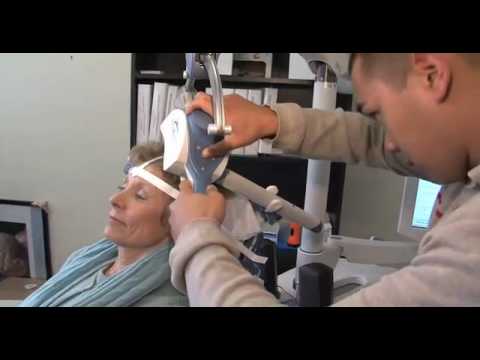
So, what is TMS? Well, it’s a non-invasive procedure that uses magnetic fields to stimulate nerve cells in the brain. You sit in a comfy chair (yes, like at the dentist, but way less scary) while a magnet is placed over your head. The machine sends magnetic pulses aimed at specific brain areas related to mood regulation. Sounds funky, right?
How effective is it? Studies have shown that many folks see significant improvements in their depression symptoms after undergoing several sessions. Some report feeling brighter and more hopeful after just a few treatments—like waking up from a long nap and realizing the world isn’t so gray after all!
- The typical course includes around 20–30 sessions over several weeks.
- Each session usually lasts about 40 minutes.
- Many people don’t experience side effects beyond some mild discomfort during treatment.
Now, I remember my friend Sarah who had struggled with depression for years. Medication helped somewhat, but she still felt stuck in this endless cycle of low moods. She decided to give TMS a try and described her experience as «refreshing.» After completing her treatment cycle, she felt more engaged with life—like someone opened the curtains in her mind.
But here’s where things get tricky: TMS isn’t for everyone. If you’ve got certain medical conditions or devices like pacemakers, this might not be your best bet. Always check with your mental health professional before diving into new treatments.
I should also mention, while many find success with TMS, it can take time to feel fully better. It’s not an instant fix; more like nurturing a plant until it blooms—patience is key! Some folks combine TMS with therapy or medication for even better results.
In sum, magnet therapy shows promise as an innovative approach for treating depression, but it’s essential to do your homework first. Talk to your doctor about whether it’s right for you! And remember: healing isn’t linear; it’s more like climbing up a hill—sometimes you slip back down before finding your footing again.
So if you’re curious about exploring this avenue further? Why not start by chatting with someone who knows their stuff about these options? You never know what might click for you!
Discover the Latest Breakthrough Treatment for Depression: Transforming Mental Health Care
So, let’s chat about this cool thing called Magnetic Pulse Therapy, or TMS for short, and how it’s shaking things up in the world of depression treatment. You might’ve heard a bit about it, but I’ll break it down for you.
Basically, TMS involves using magnetic fields to stimulate nerve cells in the brain. It’s like sending little reminders to your brain to start being a bit more cheerful. You know when you’ve got that one friend who just needs a little nudge to be their best self? That’s kind of what TMS does for your brain.
What happens is a doctor places a small device on your head. This device then sends magnetic pulses directly to specific areas of your brain that are involved in mood regulation. It’s non-invasive, so there are no needles or major surgeries here—just some comfy chair time while you chill out.
Now, the results can be pretty impressive! Many folks who struggle with depression and haven’t found success with traditional treatments like medication really see a difference with TMS. In fact, studies have shown that around 50% of people experience significant improvement after just a few sessions! Can you imagine?
Here are some key things to keep in mind:
One important thing is that this isn’t a one-size-fits-all solution. Not everyone will respond to TMS the same way. It requires multiple sessions—often around 20-30 over several weeks—to really see results. But hey, if this could be the key for someone who’s feeling stuck and hopeless, it’s worth considering!
Just think about Sarah, who struggled with depression for years. She tried different medications but felt like nothing worked. After giving TMS a shot, she started noticing her mood lifting after just two weeks! I mean, wow! She described it as seeing colors again after watching everything go gray for so long.
Still, before diving into TMS, chatting with a mental health professional is super important. They’ll help determine if it’s right for you based on your unique situation—and they’ll answer any questions or concerns you’ve got bubbling up inside.
So yeah, while we’re not throwing out old-school methods just yet—there’s still plenty of room for therapy and meds—TMS offers exciting hope for those looking for something new in their journey through depression recovery. It’s like adding another tool to an ever-growing toolbox aimed at making mental health care better and more accessible!
Keep an eye out; this field is evolving fast!
Understanding Magnetic Treatment for Depression: How It Works and Its Benefits
Magnetic Treatment for depression, or what’s often called Transcranial Magnetic Stimulation (TMS), is making waves as a potential game-changer for folks struggling with chronic sadness and low motivation. It’s pretty intriguing, really. So, how does it work? Let’s break it down.
First off, TMS uses magnetic fields to stimulate nerve cells in the brain. Specifically, it targets areas that are thought to be involved in mood regulation. Think of it like sending little magnetic pulses to wake up certain parts of your brain that may have been snoozing too long. Weirdly cool, right?
During a session, you’ll be seated comfortably—imagine chilling in a cozy chair. A device with an electromagnet is placed against your head where those mood-related areas are hanging out. Then, you just sit back while the machine sends brief magnetic pulses through your skull and gently nudges those nerve cells awake.
One of the biggest draws of TMS is that it’s non-invasive. This is key because many people dealing with depression aren’t super keen on medications or surgery due to various side effects and risks. With TMS, you’re looking at something much less intimidating.
Now onto benefits. For starters, studies have shown that many people experience significant improvements in their symptoms after undergoing a series of TMS treatments—often around 20 sessions over a few weeks. Imagine finally feeling like your old self again after all the dark clouds hanging overhead!
Another perk? It usually has fewer side effects compared to traditional antidepressant medications. Seriously! Some common ones might include headache or scalp discomfort during treatment. But when you consider the potential upsides—like actually managing your depression—it’s kind of worth it.
Also, there’s this amazing thing about TMS: it’s effective even when other treatments haven’t worked out so well for you before. You know how frustrating it can be when you’re trying everything under the sun but still feeling down? Many people find hope here.
And remember that part about being non-invasive? Because of this, people can return to their normal activities right after treatment without needing downtime like some surgeries require.
But hold on! It’s not for everyone; people should chat with their healthcare provider to see if it’s an option for their specific situation.
In summary:
Magnetic therapy is showing promise as one more tool in the toolbox for fighting depression—it could help you or someone you care about reclaim some joy and lightness in life once more!
You know, depression can feel like this heavy fog that just doesn’t lift. It drags you down, clinging onto every bit of light in your life. I remember a friend of mine who went through a really tough time with it. She felt stuck and hopeless, trying all kinds of treatments with little success. But then she heard about Magnetic Pulse Therapy, or rTMS – which stands for repetitive Transcranial Magnetic Stimulation – and honestly? It was like a tiny spark in that heavy fog.
So what is Magnetic Pulse Therapy? Basically, it’s a non-invasive treatment that uses magnetic fields to stimulate nerve cells in the brain. It’s mostly aimed at those areas linked to mood regulation. Sounds sci-fi, right? But it turns out it can help people who haven’t had much luck with the usual medications or talk therapy.
The idea is that this therapy might help bring some balance back to those brain chemicals involved in mood and emotions. My friend decided to give it a shot after hearing about how others had found relief from their crushing depression. And while it’s not like flipping a switch—like “poof! Everything is fine!”—she said she started feeling this subtle shift over time.
Imagine sitting there in a chair, feeling these gentle pulses stimulating your brain—a thought that freaks some people out but also sounds kind of hopeful for others. For my friend, it felt less invasive than some of the other treatments she’d tried.
Still, it’s not perfect for everyone; some people won’t see any change at all, and there are risks involved too—like headaches or discomfort during sessions, which isn’t fun either way you look at it. And hey, while this therapy might be standing on the edge of something new and exciting in depression recovery, it’s important to remember that it’s not a one-size-fits-all solution.
But stories like my friend’s show that there can be options out there beyond what we typically think about when tackling depression. So if you’re feeling lost in that fog yourself or know someone who is—maybe exploring something like Magnetic Pulse Therapy could be worth considering down the road? After all, sometimes hope comes from the most unexpected places. You follow me?