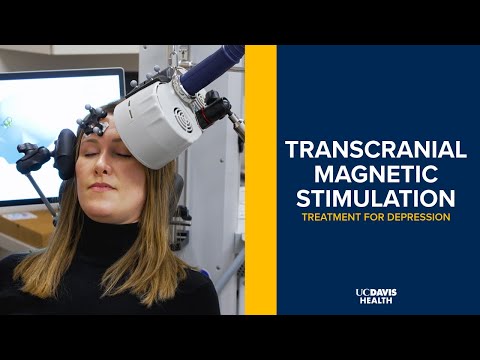
You know, depression can feel like a heavy fog that just won’t lift. And sometimes, traditional treatments don’t do the trick. It’s frustrating, isn’t it?
Enter Magnetic Resonance Therapy, or MRT for short. This thing is gaining some serious attention lately. Like, what if you could zap away those blues with something as chill as magnets? Sounds kinda sci-fi, right?
Well, grab a cuppa and let’s chat about this innovative approach to fighting the funk. It’s not magic, but it might just be what you need to find some light again.
Exploring Magnet Therapy for Depression: Does It Really Work?
Magnet therapy, or more formally known as Magnetic Resonance Therapy, has been getting attention in the mental health world, especially for treating depression. The idea of using magnets to address emotional issues sounds a bit out there, huh? But let’s break it down.
First off, what are we talking about when we say magnetic therapy? Basically, it’s a non-invasive approach that involves using magnetic fields. This therapy is thought to stimulate nerve cells in certain areas of the brain that play a role in mood regulation. So, for people struggling with depression, the hope is that this stimulation can lead to some improvement in symptoms.
Now, you might be wondering if it actually works. Studies have shown mixed results. Some people have reported feeling better after undergoing this type of treatment. Others didn’t notice much difference at all. It’s sort of like trying out a new diet—you might feel amazing on it while your friend feels like it’s just not their thing.
Here’s something interesting: during sessions of Magnetic Resonance Therapy, you’ll often sit down comfortably while an electromagnetic coil is placed near your head. This coil sends short magnetic pulses into your brain without any discomfort. Like a gentle tap on the shoulder from someone who cares.
The benefits? Well, they can include reduced feelings of sadness and anxiety for some folks. There’s also less of a stigma attached compared to medications; many see it as a more “natural” option. That said, it’s essential to view this therapy as part of a larger treatment plan and not a magic fix.
However, there are limitations too:
- Not everyone responds: Just because someone else found relief doesn’t mean you will.
- Cost: Depending on insurance coverage and where you live, it can get pricey.
- Lack of regulation: Because this field is still developing, not every treatment center uses the same protocols or technology.
And then there are some researchers urging caution here. They point out that more extensive studies need to be done before we can say Magnet Therapy is effective across the board for depression.
So look—there’s potential here but also quite a bit we don’t know yet! If you’re considering Magnet Therapy as an option for dealing with depression (maybe you’ve tried everything else?), it’s crucial to talk about it with your healthcare provider first. They can help you weigh the pros and cons based on your unique situation.
At least with magnetic therapy, you’re exploring alternatives beyond traditional meds or therapy sessions alone—and that’s something worth discussing!
Understanding the Side Effects of TMS Treatment: What You Need to Know
So, you’re curious about Transcranial Magnetic Stimulation (TMS) and its side effects, huh? That’s a solid topic to dive into. TMS is a non-invasive therapy often used for depression when other treatments just don’t cut it. It involves using magnetic fields to stimulate nerve cells in the brain. Sounds pretty sci-fi, right? But hey, it has its own set of side effects that are useful to know about.
Let’s break down some common side effects:
- Headaches: Yup, one of the most reported side effects. They’re usually mild and tend to fade after a few sessions.
- Scalp discomfort: Some folks feel a bit of soreness or tenderness where the magnetic coil touches their head. Kind of like how your scalp feels after wearing a tight hat for too long.
- Dizziness: Feeling lightheaded can happen during or after the treatment. It’s not super common but something you might want to keep in mind.
- Tingling or twitching: You might notice these sensations, particularly in your face or scalp during TMS. It’s not painful—more like an odd tickle!
- Nausea: A small percentage of people report feeling queasy post-session. Again, it’s usually brief and manageable.
Now here’s the thing: most people don’t have severe side effects, which is good news! TMS is generally well tolerated compared to many medications used for depression.
If you do experience side effects, they often go away on their own as your body gets used to the therapy. But if they persist or become bothersome—like if your headache turns into a migraine—it’s totally okay to reach out to your healthcare provider for advice.
It’s also worth noting that TMS isn’t supposed to interfere with daily life too much; you can typically get back to your regular activities right after treatment. So there’s no need for extended downtime!
For those who’ve tried lots of other options without success, this could be a game changer despite these minor annoyances. Just imagine struggling with depression day in and day out only to find something like TMS helps lift that weight off your shoulders.
In closing, while there are some potential side effects with TMS therapy—and yeah, they sound annoying—the benefits can really outweigh them for many people dealing with tough-to-treat depression. Always talk things over with your doctor so you know what fits best for you!
How TMS Therapy Impacted My Life: A Personal Journey Through Mental Health Challenges
So, let’s chat about TMS therapy and how it can totally shake things up in your mental health journey. You might have heard of Transcranial Magnetic Stimulation (TMS) before, right? If not, no worries! It’s like this cool way to treat depression without having to rely on meds all the time.
TMS therapy uses magnetic fields to stimulate nerve cells in your brain. Sounds sci-fi, huh? But seriously, it’s pretty neat. What happens is that these magnetic pulses can help improve mood for folks struggling with major depressive disorder. I mean, it’s like hitting the reset button on your brain!
Now, let me tell you about a friend of mine—let’s call her Sarah. She had been battling depression for years. Medications were hit or miss for her; some made her feel worse, while others just didn’t work at all. Sarah was feeling stuck and super frustrated. That’s when she learned about TMS.
So here are some key points from her experience:
For Sarah, seeing those tiny improvements was a huge deal! One day she realized she was laughing more often. Like actual laughter! Not just forcing a smile like before. It felt refreshing!
Another important part? The supportive environment around TMS therapy helped too—she met others going through similar struggles during group sessions. Sharing stories made things way less lonely.
The results didn’t come without effort though; it took commitment on Sarah’s part to stick with it. But honestly? It was worth every minute for her because TMS gave her hope again. That feeling of lightness after being bogged down by depression forever? Absolutely priceless.
Eventually, Sarah managed to get back into hobbies she loved like painting and hiking—things she thought she’d lost forever under the weight of her depression.
In the end, TMS wasn’t just a treatment; it transformed how she saw herself and life overall. She might still have tough days; who doesn’t? But now they’re just days—not all-consuming weeks or months.
If you’re considering TMS or know someone who is—it could be their lifeline too! Just remember that everyone’s journey is unique so support and understanding are crucial as they navigate their own paths through mental health challenges—a bit compassion goes a long way!
So, let’s chat about this thing called Magnetic Resonance Therapy, or MRT for short. It’s been getting some buzz as a potential treatment for depression. Now, you might be wondering what it is. Essentially, it involves using magnetic fields to stimulate certain areas of the brain. Pretty wild, huh?
I remember hearing about a friend who struggled with depression for years. It seriously affected everything—her job, her relationships, you name it. Traditional treatments like therapy and medication helped a bit, but not enough to really turn the tide. Then she discovered MRT and felt a flicker of hope. After a few sessions, she told me she felt clearer and more focused than she had in ages. Just think about that! A therapy that uses magnets to spark her brain back to life.
The thing is, while MRT might sound pretty cool and maybe even like something out of a sci-fi movie, it isn’t universally accepted yet. Some folks swear by it; others aren’t so convinced. And hey, that makes sense! Depression is messy and complicated; no one solution works for everyone.
But here’s where it gets interesting: studies show some patients experience significant improvement with MRT compared to traditional methods. Of course, there are always risks involved—just like with any treatment—but many people find they can manage those better when they have options.
So basically, MRT could be another tool in the toolbox for people dealing with depression; it’s worth considering if the usual paths don’t seem to help enough! It shows promise but isn’t a magical fix either—more like an interesting piece of the puzzle we’re all trying to solve.