You know how sometimes life can just feel, well, heavy? Like you’re carrying around this invisible backpack filled with stones? Yeah, that’s what depression can be like.
But here’s the thing—there’s this cool new treatment called magnetic stimulation that’s making waves. It’s like giving your brain a little nudge, and people are finding real relief from those dark clouds.
I mean, imagine being able to break free from that weight, to feel lighter and brighter again. Sounds kinda amazing, right?
So, let’s chat about what magnetic stimulation is all about and why it might be a game changer for depression relief.
Exploring the Effectiveness of Magnet Therapy for Depression: Myths and Facts
So, you’re curious about magnet therapy and its connection to depression, huh? It’s kind of a hot topic these days. Let’s break it down into some easy-to-digest bits.
What is Magnet Therapy?
Magnet therapy, often referred to as transcranial magnetic stimulation (TMS), uses magnetic fields to stimulate nerve cells in the brain. Basically, it’s a way to influence brain activity without using medication.
How Does It Work for Depression?
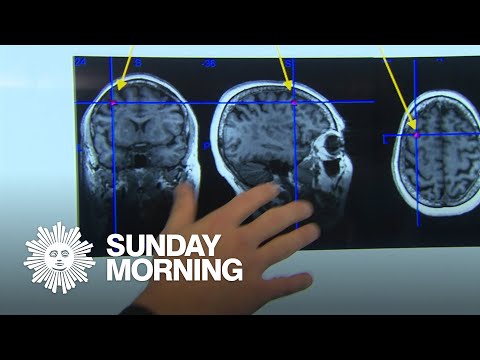
The idea is that TMS can help alleviate symptoms of depression by targeting specific areas in the brain—namely, the prefrontal cortex—where mood regulation happens. People who suffer from depression often have less activity in these areas. By using magnetic pulses, TMS aims to boost that activity back up.
Is It Effective?
Research shows mixed results. Some studies talk about positive outcomes, while others are more skeptical. Here are some key findings:
- Symptom Relief: Many individuals report feeling better after undergoing TMS sessions.
- No Side Effects: Unlike traditional antidepressants, TMS typically doesn’t come with major side effects like weight gain or sexual dysfunction.
- Sustainability: Some patients experience lasting effects even after treatment ends.
But here’s where it gets interesting: not everyone responds the same way. Some people might not see any improvement at all.
Mental Myths vs. Facts
There are also a lot of myths floating around about magnet therapy:
- Myth: It’s just a fad or a placebo effect.
- Fact: While some benefits may be psychological, research shows measurable brain changes with TMS.
- Myth: It’s only for severe cases.
- Fact: It’s been used for various levels of depression and even anxiety disorders in some studies.
- Myth: All magnet therapies are created equal.
- Fact:TMS is clinically proven; other types of electromagnetic therapies aren’t always backed by solid research.
Anecdotal Evidence:
I remember chatting with a friend who went through TMS treatment after struggling with depression for years. She said at first, she felt like nothing would work for her anymore. But after several sessions, she actually started noticing little sparks of joy again! It’s amazing how individual experiences can vary.
The Bottom Line:
Magnet therapy isn’t a magic bullet for everyone dealing with depression but it offers an alternative option when traditional treatments haven’t done the trick. If you’re considering this route, talking with your healthcare provider is key. They can steer you toward what fits your needs best.
So there you go! Questions about magnet therapy? Or maybe you’ve heard other stuff you wanna unpack? Let me know!
Understanding the Cost of TMS Therapy: A Comprehensive Guide to Pricing and Insurance Coverage
TMS therapy, or Transcranial Magnetic Stimulation, is creating buzz as a beacon of hope for folks struggling with depression. It uses magnetic fields to stimulate nerve cells in the brain. Pretty cool, huh? But, let’s get into what you really want to know: the cost and how insurance fits into all this.
First off, the price of TMS therapy varies widely. It can run anywhere from $300 to $500 per session. If you’re aiming for a full course of treatment—which usually includes about 20 to 30 sessions—you might be looking at a total cost between $6,000 and $12,000. Oof! Just hearing those numbers can feel overwhelming.
Now, here’s where it gets a bit tricky: insurance coverage. Some insurance plans cover TMS therapy under certain conditions. But seriously, it’s like playing roulette because coverage depends on your specific policy. Make sure to call your insurance company to clarify the details.
Also worth noting is that many clinics offer financing options or payment plans for TMS treatments. This can help spread those costs out over time and make it a bit easier on your wallet.
Let’s break this down a little more:
- Initial Consultation: Most clinics will charge for an initial assessment before starting treatment—typically around $200. This is important because they’ll determine if TMS is right for you.
- Session Costs: Each session often takes about 20-40 minutes. While the average range per session is between $300 and $500, some facilities might offer discounts for purchasing packages upfront.
- Insurance Considerations: If you’re looking into this option, get familiar with terms like «medically necessary.» Your doc may need to provide documentation that shows you’ve tried other treatments without success.
- Coding and Billing: When you get billed by your doctor or clinic, they’ll use specific codes that relay what kind of treatment was provided. This helps in determining what your insurance will cover.
It’s also worth saying that TMS isn’t always the first line of defense. Doctors usually recommend trying medications or therapy before going this route—especially due to costs involved.
I remember chatting with someone who felt deeply discouraged after everything else had failed them—meds weren’t working as expected, and traditional therapy felt stagnant. They decided to give TMS a shot after verifying their insurance would cover part of it. After weeks of sessions, they felt lighter than they had in years! It’s truly impactful when it clicks.
Just keep in mind that sticking points do happen; even if you find out your plan does cover it, there might still be hoops to jump through regarding pre-authorization or payment limits.
In short? TMS can be pricey but could be worth every penny if it brings relief from that heavy weight of depression—it just takes some careful planning and checking those insurance details along the way!
Finding SAINT Treatment for Depression: Your Ultimate Guide to Effective Mental Health Solutions
Finding the right treatment for depression can feel like wandering through a dense fog, can’t it? You’re not alone in this journey. One option that’s gaining traction is Magnetic Stimulation, especially a form known as Transcranial Magnetic Stimulation (TMS). It’s becoming a beacon of hope for many. So let’s break it down.
TMS: What is it? This treatment uses magnetic fields to stimulate nerve cells in the brain. It’s non-invasive, meaning you won’t need any surgery or anything scary like that. Just picture yourself sitting comfortably while a machine works its magic.
If you’re wondering how this helps with depression, here’s the deal: Research suggests that TMS can boost activity in regions of the brain that are less active in folks dealing with depression. That might sound technical, but basically, it aims to get your brain firing on all cylinders again.
Now, let’s talk about finding SAINT treatment specifically. SAINT stands for Stanford Accelerated Intelligent Neuromodulation Therapy. This approach combines TMS with a few other techniques to increase its effectiveness, kind of like adding toppings to your favorite pizza.
Here are some key points about SAINT treatment you should know:
- Personalized Approach: SAINT focuses on tailoring treatments based on individual needs. Everyone’s brain is unique, so why should treatment be one-size-fits-all?
- Short Treatment Duration: Unlike traditional TMS sessions which may take weeks, SAINT aims to achieve results faster—sometimes just in a few days.
- A Comprehensive Method: It often combines behavioral therapies and medication management along with TMS to tackle depression from multiple angles.
- Research-Backed: Studies have shown promising results, and researchers continue to explore its benefits and effectiveness.
Imagine someone named Jess who struggled with constant sadness and fatigue. Traditional therapies seemed slow or didn’t work at all for her. When she learned about SAINT and gave TMS a shot, she found her energy returning after just a few sessions! Her experience echoed what many have reported: quicker relief from symptoms.
You might be curious about what to expect during treatment. Sessions typically last around 20-40 minutes and are done outpatient—so you get to go home afterward! You might feel some tapping or tingling sensations during the process but don’t worry; most people tolerate it well.
After starting therapy, check in with your mental health provider regularly. This ensures adjustments can be made if something isn’t working as expected.
For those who’ve tried everything else without success—like medication or talk therapy—TMS could be worth considering. But remember: always consult with your healthcare provider before making any decisions regarding treatments.
So if you find yourself losing hope while searching for effective mental health solutions against depression—don’t give up! Like Jess’s story shows us; there truly could be light at the end of this tunnel. With innovations like Magnetic Stimulation and targeted treatments like SAINT emerging on the scene, better days are ahead!
Magnetic stimulation, huh? It’s one of those things that sounds pretty sci-fi at first, but when you dig a little deeper, it turns out to be more than just a cool buzzword. We’re talking about Transcranial Magnetic Stimulation (TMS), which is basically a way of using magnetic fields to stimulate nerve cells in the brain. Yeah, it’s as wild as it sounds.
Imagine struggling with depression, feeling like you’re trapped in this gray fog that just won’t lift. I remember a friend of mine who used to say he felt like he was walking underwater. Everything felt heavy, and no matter how much he tried to shake it off, nothing really worked. Therapy helped a bit; meds offered some relief, but he still felt stuck.
Then one day, he stumbled upon TMS. At first, he was skeptical—who wouldn’t be? The idea of magnetic pulses sending signals to your brain seems super strange. But after doing some research and talking to people who had gone through it, he figured it was worth a shot.
So there he went for his first session. The process is surprisingly chill; you sit in a comfy chair while they place this magnetic coil against your head. You feel these tapping sensations—almost like little electric zaps—while they target specific areas known to impact mood and anxiety. After several sessions, my friend started noticing changes. The fog wasn’t as thick anymore; colors seemed brighter again! It wasn’t magic or an instant fix but definitely gave him hope.
That’s the thing about TMS—it’s not for everyone and doesn’t come without its risks and potential side effects (like headaches or scalp discomfort). But for some people like my buddy? It might just be the missing piece in their mental health puzzle.
It feels great that there are emerging treatments out there giving people options beyond the typical meds or therapy routes. Sure, mental health is super complex and deeply individualistic—you gotta find what feels right for you! But hey, learning about things like magnetic stimulation makes you realize how far we’ve come in understanding and treating conditions like depression.
So if someone mentions TMS to you or if you’re considering it yourself? Just keep an open mind. You never know what might click for you on your journey toward healing—that’s what life is all about anyway!