Hey there! So, you know how tough it can be when you’re feeling down, right? Like, some days just feel heavier than others.
Well, I’ve been hearing some buzz about magnetic therapy lately. It sounds kinda wild at first, but people are saying it might help lift those pesky clouds of depression.
Imagine feeling a bit lighter without the side effects of meds. Sounds worth chatting about, don’t you think?
Let’s dive into what magnetic therapy is all about and how it could possibly ease those blues. You in?
Understanding Magnetic Therapy: How It Can Help Alleviate Depression
Magnetic therapy, or Transcranial Magnetic Stimulation (TMS), is a method that some people are exploring for relief from depression. It’s not like your usual therapies; it’s a bit high-tech. But what does it actually do? Let’s break it down.
How Does Magnetic Therapy Work?
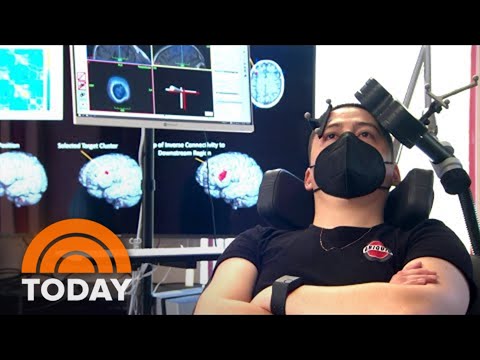
Basically, TMS uses magnetic fields to stimulate nerve cells in the brain. You sit in a chair, and they place a magnetic coil near your head. When activated, this coil sends short magnetic pulses to certain areas of the brain that control mood. It’s non-invasive, meaning you don’t need any surgery or anesthesia.
While sitting there, you might feel some tapping on your head. It’s kind of like someone lightly drumming their fingers against your skull—nothing too wild! This stimulation can help improve symptoms of depression by promoting the activity of neurotransmitters that affect mood.
Who Can Benefit?
Magnetic therapy isn’t for everyone. Generally, it’s suggested for individuals who haven’t found relief through traditional methods like medication or talk therapy. If you’ve tried multiple medications without success—or if side effects have been tough on you—this could be something to consider.
Imagine Sarah, who struggled with depression for years. She tried a handful of medications that either didn’t work or made her feel like a zombie. After discussing options with her doctor, she decided to give TMS a shot. Within weeks, she noticed a shift in her mood and energy levels.
The Treatment Process
So what’s the deal with getting treatment? You typically go in for about 20 sessions over several weeks. Each session lasts around 30 to 40 minutes—you know, not too big of a time commitment! After each session, most people can just go back to their daily lives without feeling out of sorts.
Some folks see improvement early on; others may take longer—everyone’s different! The important thing is that many report better moods and lessening of depressive symptoms after completing treatments.
Side Effects
Now let’s talk side effects because nothing’s perfect, right? Some people experience mild headaches or scalp discomfort after treatments. These usually fade quickly and aren’t considered serious compared to what some antidepressants can cause.
It’s also important to consider long-term effectiveness. While many find relief after TMS sessions, the studies are still ongoing about how lasting these benefits might be.
Wrapping It Up
In essence, magnetic therapy could be an interesting option if you’re exploring ways to alleviate depression symptoms—especially if other treatments haven’t worked out so well for you. Remember though: always chat with your healthcare provider before starting any new treatment!
So yeah! That’s the scoop on magnetic therapy and how it might ease those heavy feelings of depression. It’s all about finding what works best for you in this journey towards feeling better.
Effective Tools for Managing Depression: Discover What Can Help You Cope
So, let’s chat about managing depression, specifically looking at a tool that’s been getting some buzz lately: magnetic therapy. You know, it can feel overwhelming when you’re dealing with depression, but understanding different options is a step further toward feeling better.
Magnetic therapy is based on using magnetic fields to help alleviate symptoms of mental health issues like depression. The concept sounds a bit sci-fi, right? But it’s actually rooted in some real principles. What happens is that these magnetic fields might help to stimulate brain activity in ways that traditional treatments might not.
How It Works
The idea behind magnetic therapy is pretty straightforward. The therapy usually involves placing magnets near specific areas of your body—often the head—where they can influence brain activity. Some studies suggest this could help by balancing out neurotransmitters like serotonin and dopamine, which are super important for mood regulation. That’s pretty cool, don’t you think?
Different Types of Magnetic Therapy
There are a few types you’ll come across:
The key here is that each method aims at changing brain chemistry or function in ways that may boost your mood.
Potential Benefits
Now you might wonder if it actually works. Well, research shows some promise! People have reported positive changes in their symptoms after undergoing treatments like TMS. For some folks who’ve tried multiple medications without much luck, these therapies can be a lifeline.
But hey, here’s something I want you to keep in mind: results can vary widely from person to person. One friend of mine tried TMS after struggling with depression for years and said it felt like lifting a fog she didn’t even realize was there! Others may find it’s not as effective or may need several sessions before experiencing any noticeable change.
What To Expect
If you’re considering this treatment route, it’s important to chat with a healthcare provider who knows your history and can guide you through options that fit your situation best. Typically, TMS sessions last about 20-40 minutes and occur several times a week over weeks or even months.
You might feel a tapping sensation during the treatment—it can be slightly uncomfortable but not painful at all; think of it like someone lightly tapping your head repeatedly.
The Bottom Line
So yeah, while magnetic therapy isn’t the magic bullet for everyone grappling with depression, for some people it presents another avenue for hope when other traditional treatments haven’t fully done the trick. Don’t hesitate to keep exploring what feels right for you! Whether through therapy techniques or medications—or maybe even something like this—finding what works best is key.
Just remember: reaching out and seeking help takes strength! You’re not alone in this journey; there are tools out there waiting for you to discover them.
How TMS Treatment Affected My Life: Personal Experiences and Insights
So, let me take you on a little journey about how TMS treatment, or Transcranial Magnetic Stimulation, changed my life. You see, I’ve dealt with this heavy cloud of depression for a good chunk of my life. It felt like trudging through mud every day, and no matter how much I tried to shake it off, it just wouldn’t budge.
Then came TMS. At first, I was kind of skeptical. I mean, it’s basically magnets and electricity playing around in your brain, right? But when traditional treatments didn’t really work for me—like SSRIs that made me feel even less like myself—I thought, “What the heck? Let’s give it a shot.”
The first day in that chair was something else. The room was calm and quiet but also a bit eerie with all these machines buzzing softly. As the device started doing its thing, I felt a gentle tapping on my head—like someone lightly drumming their fingers. It was literally just that; no pain involved at all.
- Sessions were quick: Each one took about 20 minutes. That’s way shorter than sitting in a regular therapy session!
- No downtime: Right after each session, I could jump back into my day—no grogginess or anything.
- Slow changes: At first, I didn’t notice too much but then little by little things started to shift.
A couple of weeks in, it hit me: I was smiling more often! Like seriously smiling without forcing it. And even though that sounds small, for me it was massive! I remember one afternoon laughing with friends over coffee without feeling the weight of sadness lurking behind my eyes. It felt almost foreign to be so light-hearted again.
The best part? TMS doesn’t just help in the moment; there’s this lingering effect after treatment ends too! Months later, I still found myself feeling more hopeful and engaged with life than before. The world stopped feeling gray and started to show color again.
I did experience some minor side effects along the way—like occasional headaches—but honestly? They were super manageable compared to what I’d been through before. And guess what? Those faded away as treatments continued.
You know how every story has its ups and downs? Well, mine wasn’t perfect either because not everyone will respond the same way to TMS treatment. It’s like finding the right pair of shoes; sometimes you gotta try a few on before you find your fit.
- The key takeaway: It’s not a magic bullet but can really help if you’re struggling with depression.
- TMS opened doors: Not only did it help clear my mental fog—it made me more open to other therapies.
- I could finally engage: Social gatherings? They weren’t draining anymore; they became something I looked forward to!
If you’re wrestling with depression and traditional methods aren’t working out for you—consider exploring TMS alongside talking therapies or other holistic approaches. Just remember: every journey is personal and unique!
Magnetic therapy, huh? It’s one of those things that seems kinda out there at first. I mean, putting magnets on your body to help with depression? Really? But the more you think about it, the more you realize how open we are to all kinds of solutions in mental health. You know how people get desperate when they’re feeling low—like looking for anything that might help? Well, that’s kind of where folks turn to stuff like this.
I remember a friend of mine who went through a rough patch. He was dealing with some heavy stuff but wasn’t super keen on traditional medications. He felt like they would change who he was or just didn’t sit right with him. So, after hearing about magnetic therapy from a podcast he stumbled upon while cooking dinner (don’t ask me how that led there), he thought, “Why not?”
So, magnetic therapy is thought to work by influencing brain activity. Small magnets are placed on the scalp or near specific areas linked to mood regulation and emotions. It’s called Transcranial Magnetic Stimulation (TMS), and it’s been used for serious cases of depression where other treatments didn’t really do much good.
The cool part? Some studies show that it can have positive results for people who have tried everything else without relief. That feeling of finally getting a breath of fresh air after being stuck in a stuffy room for hours—that’s what recovery feels like sometimes! My friend actually ended up trying it and said he noticed improvements over time. Just having hope feels good too, doesn’t it?
On the flip side, it’s not some miracle cure-all like you might want to think. There are folks out there who say it didn’t work for them at all. Like any treatment, what works for one person might not vibe with another—and that’s okay! The point is exploring options and finding what helps you feel better.
So yeah, whether it’s magnetic therapy or something totally different, you gotta find what clicks for you in your journey with mental health. Every little step counts!