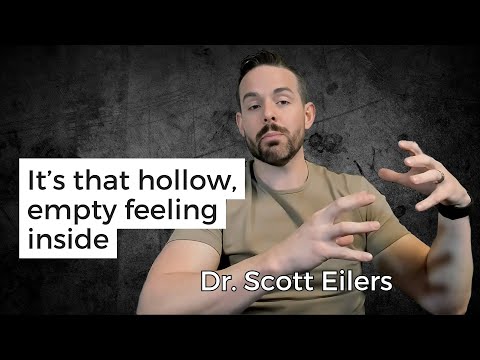
So, let’s talk about major clinical depression. It’s kinda heavy, right? But you know what? It doesn’t have to feel like the end of the world.
Imagine waking up every day, feeling like you’re dragging a ton of bricks. Everything seems gray, and no matter how much you try to shake it off, that weight just won’t budge. Yeah, I get it.
But here’s the thing: you’re definitely not alone. A lot of people face this battle, and sharing it can lighten that load just a bit.
We’ll dig into what it feels like to navigate those dark waters. And trust me, there’s hope shining through even the thickest clouds. So let’s figure this out together!
Understanding the Deepest Stage of Depression: Signs, Symptoms, and Pathways to Recovery
When you think about depression, especially the deep and heavy kind, it can feel like a fog that just doesn’t lift. Major clinical depression is more than just feeling sad or having a rough patch. It’s like being in a deep hole, and getting out seems impossible. So let’s unpack this a bit.
Signs and Symptoms
One of the most striking signs of major depression is when you lose interest in things you once loved. You know that feeling when your favorite song comes on but it doesn’t do anything for you? Yeah, that’s a big red flag. Other symptoms include:
Imagine waking up one day and feeling like the weight of the world is on your chest. That’s how many describe it.
The Emotional Rollercoaster
Depression isn’t just black and white; it’s full of ups and downs. Sometimes, you might feel okay for a moment, only to crash back into despair later. A friend once told me about how she’d have good days where she could almost convince herself she was fine—until she’d see something triggering that would thrust her back into darkness.
Pathways to Recovery
Getting through major clinical depression isn’t straightforward—it can be messy and complicated. But there are definitely pathways toward recovery:
It’s important to recognize that healing takes time—there’s no quick fix here.
The Importance of Support
Having supportive friends or family can make such a difference. Don’t underestimate how powerful it is just having someone listen when you’re struggling or sharing little victories along the way.
Remember, if you’re navigating these depths yourself or know someone who is, you’re not alone in this fight. There are paths forward, even if they appear hidden right now. Seriously consider reaching out for help whenever possible because stepping out from under that heavy cloud can lead to brighter days ahead!
Exploring the Deepest Form of Depression: Understanding Major Depressive Disorder
Major Depressive Disorder (MDD) is like this heavy blanket that just won’t budge. It’s not just about feeling sad for a few days or being in a funk. No, it’s something way deeper and more complex. Picture this: someone you know loves to paint, but suddenly, they don’t even want to pick up the brush. That’s MDD—when things you once enjoyed feel colorless and meaningless.
When we get real about MDD, it often hits hard and can last for weeks, months, or even years. The thing is, it’s not just about sadness. It can include feelings of hopelessness, irritability, changes in sleep patterns (either too much or too little), and shifts in appetite. Imagine waking up every day feeling like you’re dragging around a weight that never disappears—hardcore stuff.
What makes things tricky is that it can manifest differently from person to person. Some people might experience overwhelming guilt; others may find themselves ready to burst into tears at any moment—or not feel anything at all! You see? Everyone’s experience is unique.
This isn’t something people can just “snap out of.” A friend of mine shared how he felt when he was deep into depression: “It was like I was constantly watching the world from behind glass.” He saw everything happening around him but couldn’t connect with any of it—truly heartbreaking.
There are some signs that signal MDD:
- Persistent low mood: Feeling sad or empty nearly every day.
- Loss of interest: Not caring about activities you once loved.
- Changes in sleep: Too much sleep or inability to sleep at all.
- Fatigue: Feeling tired even after resting well.
- Difficulties concentrating: Struggling to focus on tasks.
- Thoughts of guilt or worthlessness: Constantly criticizing yourself.
- Suicidal thoughts: Having thoughts about self-harm or suicide.
If this resonates with you or someone close by, recognizing those feelings is super important. But here’s where hope comes in! Major Depressive Disorder isn’t a hopeless situation. There are effective treatments available—like therapy and medication—that can help lighten that heavy blanket.
Therapies like cognitive-behavioral therapy (CBT) teach ways to challenge negative thought patterns while other approaches might involve talking through feelings with someone trained to help navigate through the pain. Medications such as antidepressants adjust brain chemistry and can create that little nudge needed toward recovery.
The recovery process isn’t always straightforward—it often involves trial and error before finding what works for you. It’s kind of like trying a new recipe: sometimes, you’ve gotta tweak the ingredients before you get it right!
And remember: seeking help isn’t a sign of weakness; it’s pretty brave! Just having someone listen can make all the difference when you’re feeling really low.
So, if any part of this sounds familiar? Don’t hesitate to reach out either for yourself or for someone else struggling with these feelings. There’s no need to navigate these depths alone; there are people who care and resources available ready to help lift some weight off those shoulders!
Effective Strategies for Overcoming Depression on Your Own
Feeling like you’re stuck in a heavy fog, huh? That’s how depression can hit you, and it’s tough navigating those depths alone. Sometimes, the simplest strategies can help pull you up a bit. Here are some that might just work.
- Get Moving: Seriously, moving your body can really lift your mood. You don’t have to run a marathon; a simple walk in the park or even dancing around your living room can work wonders.
- Connect with People: Isolation often makes everything feel worse. Make an effort to talk to friends or family members, even if it’s just a quick text. Just sharing how you feel can lighten the load.
- Establish a Routine: Create some structure in your day. This doesn’t mean packing your schedule tight; just having set times for meals, sleep, and maybe even hobbies can give you something to look forward to.
- Practice Mindfulness: Mindfulness is all about being present. It sounds fancy, but it’s really about noticing what’s around you and how you feel without judgment. Try deep breathing or short meditation sessions.
- Set Small Goals: When everything feels overwhelming, break tasks into tiny steps. Celebrate those little wins! Did you make your bed? Awesome! That counts as progress!
- Limit Social Media: Scrolling through others’ highlight reels can make us feel crummy about ourselves. Taking a break from social media might help clear your mind and reduce comparison stress.
You know that feeling when you’ve been scrolling through social media for too long? Suddenly you’re bombarded with everyone else’s seemingly perfect lives while you’re just there feeling down. It’s draining! Recognizing when this happens and stepping back is crucial.
Also, don’t forget about nourishing yourself. Eating well can actually influence how you feel mentally and emotionally. Try incorporating fruits and veggies into your meals—your body (and mind) will thank you!
A big part of tackling depression is being kind to yourself—seriously! It’s so easy to beat yourself up over not doing enough or feeling bad when someone tells you «just cheer up.» Remind yourself that these feelings are valid; things take time.
If things ever feel too heavy or overwhelming despite trying these strategies, reaching out for professional help is totally okay! There are people who genuinely want to help guide you through.
You’re not alone in this journey, and every small step counts towards feeling brighter again!
Major clinical depression, or just plain depression, can feel like you’re walking through a thick fog that just won’t lift. One moment, you might be surrounded by people you love, yet somehow it feels like no one really sees you. And, oh man, that sense of isolation? It’s heavy. I remember a friend of mine shared how she felt trapped in her own mind. She’d smile and laugh on the outside, but inside it was a different story. Days would stretch into weeks where even simple tasks seemed impossibly overwhelming.
When you’re navigating through this kind of depression, everything feels muted—a gray blanket covers the world around you. You might wake up some days and think, “Okay, today is the day!” But then you stare at your ceiling instead of getting out of bed. The smallest decisions feel like climbing a mountain. Even getting dressed can be a Herculean effort.
The thing is, it’s not about being “lazy” or “not trying hard enough.” It’s more complicated than that—it’s like your brain is playing tricks on you. Those little voices whispering thoughts like “You’re not good enough” or “No one cares” can drown out the good stuff.
And let’s talk about help for a sec—reaching out can feel both crucial and terrifying all at once. Maybe there’s this thought that looms over you: what if they don’t get it? Or worse yet, what if they do? Therapy can be a lifeline where someone finally understands this tidal wave of emotions without judgment…but making that first call? Yikes! But once you do find the right person to talk to, something magical starts to happen—you begin to untangle your thoughts.
Medication may also play a role for some people. It isn’t about «fixing» anything but rather finding a way to balance those extreme lows so you can start feeling more like yourself again without feeling numb.
Getting through major depression isn’t something anyone should have to face alone. It’s okay if some days are tougher than others; they don’t define who you are or your worth as a person—not in the slightest! As my friend learned over time—she began piecing together small bits of joy again: painting again after years away from it or laughing at silly memes with her sister on lazy Sundays.
Navigating the depths of major clinical depression might feel daunting and isolating, but there’s land ahead—even if sometimes it seems too far away to see right now. With support and understanding from others (and maybe even kindness toward yourself), some days will start to shine brighter than others—you’ll find hope along the way!