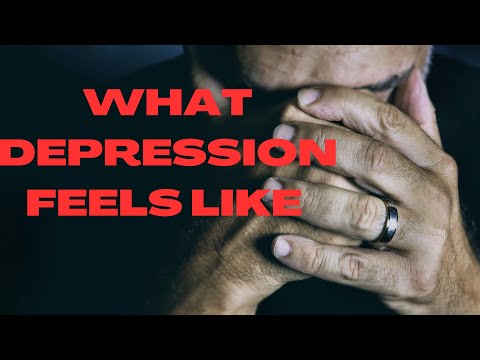
So, you know how sometimes life just feels like this heavy fog? Like you’re walking around but everything seems gray and sluggish? Yeah, that’s a vibe a lot of us have felt at one point or another.
Now, here’s the kicker: it might be something more serious than just “a rough patch.” We’re talking about depression. It shows up in sneaky ways, too—like when you start losing interest in stuff you used to love or feel super tired all the time, even after a good night’s sleep.
But it can be tough to recognize. You might think you’re just having an off day. Or maybe you blame stress from work or school. Seriously, I’ve been there! But understanding the symptoms is like shining a light into that foggy space.
So what do you say we take a closer look at this? Let’s chat about recognizing those signs that something deeper might be going on.
Recognizing the Signs: A Comprehensive Guide to Identifying Major Depression
Recognizing major depression can be tough. Sometimes, it sneaks up on you, and you might not even realize it’s happening. You know how when you’re feeling off, but you just brush it aside? Well, the thing is, recognizing the signs early can make a huge difference in getting help.
Common Symptoms
Major depression is more than just feeling sad. It often includes a whole slew of symptoms that can affect daily life. So let’s break it down a bit:
Sometimes everything feels heavy and pointless. Like my buddy Jake once said after going through this: “It felt like I was walking with weights on my shoulders every single day.” That heaviness is real.
The Impact on Daily Life
When major depression hits, it doesn’t just affect how you feel internally; it starts to trickle into every part of your life. Relationships suffer because you might pull back from friends and family. Work performance drops too—you know how hard it is to stay productive when you’re feeling low? Not easy at all.
Also, some people turn to unhealthy coping mechanisms—like drinking too much or binge-watching TV for hours on end—just to escape those feelings for a little while.
The Importance of Seeking Help
If any of this resonates with you—or if someone close to you seems off—it might be time to chat with a mental health professional. Seriously! Talking about what you’re experiencing can be the first step toward feeling better.
Look, major depression isn’t something anyone has to deal with alone; there are treatments available that really do help people find their way back from that gloomy place.
So keep an eye out for those signs—whether it’s for yourself or someone else—and know there’s hope ahead. It’s totally okay to reach out and ask for help when the weight gets too heavy.
Understanding Major Depression with Psychotic Features: Symptoms, Causes, and Treatment
Major Depression with Psychotic Features is a tough situation that some people face. It’s like being in a really dark place, and on top of that, experiencing things that aren’t really there. Basically, you’re feeling super low and maybe even hearing or seeing things that can be pretty scary. Let’s break this down a bit.
Symptoms vary widely, but there are some major ones to keep in mind:
- Persistent sadness or emptiness: You might feel like there’s just this heavy weight on your chest all the time.
- Loss of interest: Things you once loved? They just don’t seem to matter anymore.
- Fatigue or low energy: Even getting out of bed can feel like climbing a mountain.
- Psycho symptoms: This is where it gets tricky. You could have hallucinations (hearing voices) or delusions (strong beliefs that aren’t true).
You know, I once talked to someone who described their experience quite vividly. They said it felt like they were walking through fog every day and sometimes heard whispers calling their name. That confusion really adds another layer to their struggles.
Causes? Well, they’re not easy to pin down because it’s usually a mix of things:
- Genetics: If your family has a history of depression or psychosis, you might be at higher risk.
- Chemical imbalance: Neurotransmitters in your brain might be out of whack, making it hard for you to feel happy.
- Stressful life events: Losing a job, going through a breakup, or even dealing with trauma can trigger these symptoms.
This combination can create a perfect storm. I remember another person sharing how losing their parent sent them spiraling into depression; and soon enough, they started experiencing paranoia about people close to them plotting against them. It was heartbreaking.
Treatment, thankfully, is available and effective for many people dealing with this condition:
- Psychotherapy: Engaging in therapy helps process thoughts and feelings. Cognitive Behavioral Therapy (CBT) can be especially useful here!
- Antidepressants are often prescribed alongside antipsychotics to address both the depression and the psychotic features. Sometimes they work together like an awesome team!
- Lifestyle changes: Things like regular exercise and connecting with supportive people again go a long way in recovery.
The journey through Major Depression with Psychotic Features isn’t easy by any means; it’s incredibly challenging! But understanding the symptoms can help you recognize what’s happening either for yourself or someone else close to you. Just remember: reaching out for help is a sign of strength! You’re definitely not alone in this battle.
You know, depression can be a sneaky little devil. It’s not always like in the movies, where someone just looks sad all the time. It can show up in so many ways that sometimes you don’t even realize it’s there until it’s taking a toll on your life.
For instance, I remember talking to a friend who was usually super chatty and upbeat. Then one day, she seemed different—like her spark had dimmed. She wasn’t laughing much anymore or wanting to go out like she used to. At first, I thought maybe she was just having a rough patch or something. But as time went on, it became clear this wasn’t just temporary.
So when we think about recognizing major symptoms of depression, it’s more than just sadness. It could be feeling tired all the time—like no amount of sleep is ever enough. Or maybe you’ve noticed yourself losing interest in things that once made you happy—like your favorite hobby or hanging out with friends. Sounds familiar?
And then there’s that feeling of hopelessness, which is really heavy. It’s like carrying around a backpack full of bricks that just won’t budge, making everything seem pointless. Sometimes folks even get irritable or angry over small things—definitely not the normal vibes you’re used to seeing from them.
There’s also the whole deal with appetite changes; some people might not feel like eating at all and lose weight without even trying, while others turn to food for comfort and gain weight instead. Oh! And sleep patterns can go haywire too—some people lay awake tossing and turning while others can’t seem to get out of bed.
Remember though: everyone experiences things differently. Just because someone checks off a few boxes doesn’t mean they’re depressed for sure, but those signs are worth paying attention to if you see them in yourself or someone else close to you.
The important part here is being mindful and empathetic when recognizing these symptoms—not jumping to conclusions but really tuning into what’s going on beneath the surface. Because honestly? A little support can go a long way when someone is struggling with their mental health.