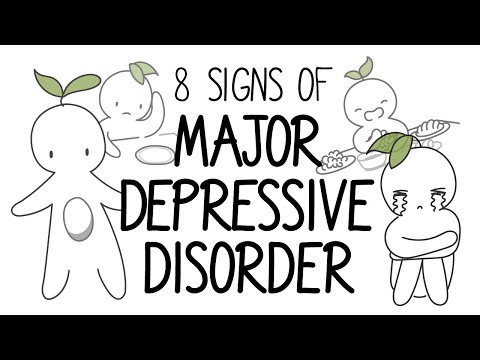
You know, life can throw some pretty heavy stuff at us. Sometimes, it feels like you’re just dragging your feet through quicksand.
Ever felt that? Like, one moment you’re vibing, and the next, everything just seems grey?
Major Depressive Disorder isn’t just about feeling sad. It’s messy and complicated, impacting daily life in ways you might not even realize.
I remember a friend who always looked fine on the outside but was crumbling inside. You could barely see it at first!
Understanding the signs can make a huge difference — for you or someone you care about. So let’s chat about what to watch for!
Understanding the Impact of Different Types of Depression on Daily Life
So, let’s chat about depression and how it can mess with your daily life. It’s one of those things that can look pretty different from person to person, right? You might have heard of major depressive disorder, but there are other types too, like persistent depressive disorder and seasonal affective disorder. Each one has its own flavor and impact on your day-to-day activities.
With major depressive disorder (MDD), it’s like carrying this heavy backpack everywhere you go. You feel this intense sadness most of the day, almost every day. Tasks that seemed simple before now feel like climbing a mountain. Getting out of bed? Even harder. You might find yourself isolating more—skipping plans with friends or ignoring calls from family. It’s exhausting just thinking about it!
Persistent depressive disorder, or dysthymia, is a bit trickier because it hangs around longer—at least two years. Imagine a rain cloud that just won’t go away! You may not feel as low-key sad all the time, but those feelings linger in the background, making everything feel less enjoyable. Everyday decisions can become overwhelming.
Now, let’s talk about seasonal affective disorder (SAD). This one’s linked to changes in seasons—think of winter blues when sunlight is hard to come by. If you notice feeling sluggish and down during colder months but perk up with warmer weather, this could be what you’re dealing with! Your daily motivation can dip dramatically when daylight disappears—like trying to run on empty.
An important thing to recognize is how these types of depression can mess with your sleeps schedule. Maybe you’re sleeping too much or can’t catch any Z’s at all. Either way, it’s a lose-lose situation! That lack of sleep affects your mood even more, leading to a vicious cycle that’s tough to break.
Then there’s the whole issue of concentration. Tasks that require focus—like work projects or even simple chores—can feel impossible when you’re battling depression. Your brain feels foggy, like trying to navigate through a thick mist without direction.
Mental health isn’t just about how you feel emotionally; it’s also wrapped up in your physical health too! Depression can impact your appetite; some people overeat as comfort while others lose interest in food altogether. So one minute you’re reaching for snacks like there’s no tomorrow; then next thing you know… you’ve hardly eaten anything all day!
And don’t forget about relationships! Depression often creates distance between you and loved ones because connecting feels daunting or just plain tiring sometimes. Friends might get worried or frustrated if they don’t understand what’s happening inside your head.
The bottom line? Different types of depression shape our lives in various ways and recognizing them is crucial for understanding ourselves—and maybe helping others too. It’s complicated stuff! But remember: support is key; whether it’s therapy or connecting with others who get it, reaching out makes all the difference.
Discover Your Mental Well-Being: Take Our Comprehensive Depression Test
It’s really important to get a handle on your mental well-being. One of the biggest hurdles people face is recognizing the signs of major depressive disorder in their day-to-day lives. So, when you see a test that says “Discover Your Mental Well-Being,” it’s pretty clear they’re talking about taking a closer look at how you feel and think.
First off, what exactly is major depressive disorder? Well, it’s more than just feeling down occasionally. It’s like this heavy blanket that wraps around you for weeks or even months. You might notice these key symptoms creeping in:
- Persistent sadness: Like the weight of the world is on your shoulders, and nothing seems to lift it.
- Lack of interest: Things that used to excite you, like hanging out with friends or picking up a new hobby, just don’t have that spark anymore.
- Changes in sleep: You could be sleeping way too much or barely catching any Z’s at all.
- Appetite changes: Some folks find themselves munching constantly while others can’t even think about food.
- Fatigue: Getting out of bed feels like climbing a mountain; everything takes more effort than it should.
- Difficulties concentrating: You know how sometimes your mind feels foggy? That can be really frustrating when you’re trying to focus on tasks.
- Feelings of worthlessness or guilt: It’s that nagging voice in your head telling you you’re not enough.
- Thoughts of death or suicide: This is serious; if this comes up, it’s time to reach out for help immediately.
So let’s say one day, you wake up and can’t drag yourself out of bed. You used to love going to the gym with friends every Saturday morning. But now? The thought feels impossible. This isn’t just being lazy; it could signal something deeper.
Taking a depression test can be useful because it helps put those feelings into perspective. But remember, while these tests can give insight into where you’re at mentally, they aren’t substitutes for professional help. They are like an early warning system—something to help you recognize patterns.
If you’ve taken such a test and found your results concerning, don’t freak out! Seriously! Those results are meant to guide you towards understanding yourself better and opening doors for conversation—whether with a friend or a mental health professional.
One last thing: recovery takes time and self-compassion is key! You’re not alone in this fight—many people struggle silently with similar feelings. Just reaching out or exploring your mental health shows real strength.
So as you go through these thoughts and feelings, keep an open mind about seeking support if needed. It’s all part of nurturing your mental well-being.
Understanding the Top 4 Major Causes of Depression: Insights Into Mental Health
Depression can feel like a heavy cloud hanging over you, right? You wake up, and it’s there, making everything seem gray and dull. It’s not just a mood swing; we’re talking about Major Depressive Disorder, which affects millions of people every year. Let’s break down some of the top causes of this condition so you can better understand what’s going on.
1. Biological Factors: This is where your brain chemistry comes into play. Neurotransmitters like serotonin and dopamine help regulate mood. If they’re out of balance, that can lead to feelings of sadness or hopelessness. Imagine your brain as a car engine; if the fuel isn’t mixing properly, it’ll sputter and stall.
2. Genetic Predisposition: Sometimes, depression runs in families. If someone in your family has experienced depression, you might be more likely to deal with it too. It’s not a guarantee but think of it like inheriting eye color; you’ve got some odds stacked against you.
3. Environmental Triggers: The world around you can seriously impact your mental health. Stressful life events—like losing a job or going through a tough breakup—can trigger depressive episodes. Picture this: you’ve just moved to a new city for work, thought it’d be exciting, but instead, you’re feeling isolated and stressed out.
4. Psychological Factors: Your thoughts play a significant role too! If you have negative thinking patterns or low self-esteem, these can make everything seem worse than it is. Let’s say you mess up at work; instead of brushing it off as normal human error, you might spiral into thoughts like “I’m worthless” or “I’ll never get anything right.” That kind of thinking can lead straight into the depths of depression.
Recognizing these factors in your daily life is crucial for understanding what might be influencing your mood or that of someone close to you. It’s like shedding light on shadows that have been sneaking around in the corners for too long!
Overall, knowing what contributes to depression helps demystify it a bit and reminds us we’re not alone in this struggle. Whether it’s biological quirks we inherited or life events that hit hard—understanding where these feelings come from is the first step toward getting support and feeling better again. So keep an eye out for those signs; they matter more than you’d think!
So, recognizing symptoms of Major Depressive Disorder (MDD) in daily life can be tricky. You might be feeling low or unmotivated, and it kind of creeps up on you. Like, one day you’re just not yourself. Maybe you find it hard to get out of bed. Or, you know, even simple things like showering feel like a monumental task.
I remember a friend who used to love going for hikes every weekend. She was always excited to explore new trails and soak up nature. But then one weekend, she just didn’t want to go. It started as skipping one hike. Eventually, it turned into several weeks without even considering it. She brushed it off as being busy or tired, but deep down, I could see she was struggling.
Another hallmark of MDD can be how much joy or interest you used to find in things starts fading away. Think about your hobbies or the things that usually light you up inside—are they starting to feel dull? That’s a big red flag! With my friend, it wasn’t just hiking; she stopped painting too, which used to be her outlet for all those creative vibes.
And then there’s that feeling of isolation. You might start pulling away from friends and family without even realizing it until they notice your absence and check in on you. I’ve seen so many people drift away during tough times because everything feels heavy, you know? It’s like a weight on your chest that makes socializing feel exhausting.
But here’s the kicker: sometimes we get this nagging sense of guilt over not being productive or not meeting expectations—our own or others’. That just adds another layer to what’s already happening emotionally. My friend would say stuff like «I should be doing more» when all her mind and body wanted was rest.
Sleep patterns getting messed up is another symptom that can easily fly under the radar too—either sleeping too much or not enough can signal trouble brewing underneath the surface.
So if you find yourself nodding along with any of this stuff? It might be worth looking deeper into those feelings—and you don’t have to go through it alone! Recognizing these signs is the first step towards getting some help and reclaiming your joy—not an easy road by any means, but totally doable with a little support!