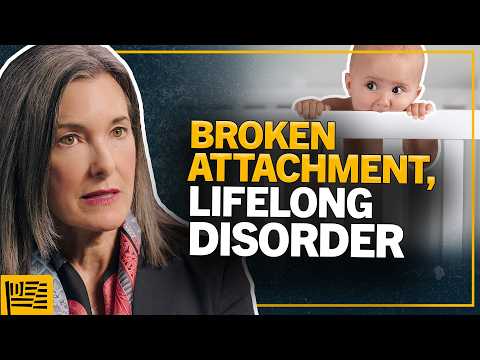
You know how some people seem to have this knack for connecting with others? Then there are those who really struggle. Like, they want to be close but can’t quite manage it. It’s confusing, right?
That’s where maladaptive attachment comes in. It’s a fancy term for when early relationships shape the way you connect (or don’t connect) with people later on.
Think about it—our first relationships set the stage for everything to come. And if those bonds are shaky, it can mess with your mental health in some pretty big ways.
So let’s chat about what maladaptive attachment looks like and how it can sneak into our lives, sometimes without us even realizing it.
Understanding Attachment Styles: How Your Attachment Style Can Influence Depression Risk
So, here’s the thing about attachment styles: they’re like invisible threads connecting us to others, influencing how we relate to friends, family, and even ourselves. When you think about it, your early experiences shape these styles. You know? It’s all about how you bonded with caregivers back in the day.
Basically, there are four main attachment styles: secure, anxious, avoidant, and disorganized. Each one can have a serious impact on your emotional well-being and even your risk for things like depression.
- Secure Attachment: If you had a secure attachment style, you probably feel comfortable with intimacy and trust. This lets you form healthy relationships. When life throws challenges at you, you’re often better equipped to cope.
- Anxious Attachment: Here’s where things get dicey. If you’re anxious, you might feel clingy or overly dependent on others for reassurance. This kind of constant worry can really amp up feelings of sadness or hopelessness.
- Avoidant Attachment: On the flip side, avoidant folks tend to keep their distance. They might struggle with opening up or expressing emotions. That detachment can lead to loneliness which isn’t exactly a recipe for happiness.
- Disorganized Attachment: This one’s a bit chaotic. It often stems from trauma or inconsistent care in childhood. People with disorganized attachment might swing between avoiding relationships and desperately seeking them out—definitely a tough spot that can lead to deeper mental health issues.
The thing is, if you’re stuck in an unhealthy attachment style, it can seriously increase your risk for depression. For example, let’s say you’ve got that anxious style going on. You’re constantly worrying that people will leave you or don’t care enough—they might not even realize they’re doing it! That constant state of anxiety can wear anyone down over time.
You might be thinking: «Well, what can I do about this?» First off, recognizing your attachment style is huge! Understanding where these feelings come from can help pave the way towards healthier patterns—like learning to ask for support or finding ways to build trust more effectively.
If this resonates with you—or stings a little—it’s okay! We all have our quirks when it comes to relationships. Just know that working through these attachment issues takes time but is totally worth it in the long run.
So yeah, remember: understanding your attachment style doesn’t just clarify why you act the way you do; it also gives insight into how all those early experiences have shaped who you’ve become today!
Understanding the Attachment Styles Commonly Associated with Borderline Personality Disorder (BPD)
Understanding attachment styles can be a real game changer when it comes to grasping how Borderline Personality Disorder (BPD) affects relationships. So let’s break this down, yeah?
People with BPD often grapple with intense emotions and unstable relationships. A big part of this comes from their *attachment styles*, which are basically the ways people connect to others based on their early experiences, especially with caregivers. There are a few key attachment styles that tend to pop up in folks with BPD:
- Secure Attachment: This is the ideal style. People here generally feel comfortable with intimacy and independence. They trust others and aren’t overly anxious about relationships. But hey, it’s pretty rare for someone with BPD to have a secure style.
- Avoidant Attachment: For those who lean toward this style, they may feel uncomfortable with closeness and often keep their distance emotionally. They can seem cold or detached, which certainly complicates things, right?
- Anxious Attachment: This one’s characterized by a strong need for closeness coupled with fear of abandonment. Think clinginess mixed with panic! This style can make relationships feel like walking on eggshells.
- Disorganized Attachment: Here’s where things can get really messy! People might have had inconsistent or chaotic caregiving experiences. Their responses in relationships can swing wildly—from seeking closeness to pushing people away without warning.
Now, *maladaptive attachment* is a term used when these styles lead to unhealthy patterns in relationships. For example, if you have an anxious attachment style, you might constantly worry that your partner will leave you. This can lead to behaviors like excessive texting or needing constant reassurance—things that push people away instead of drawing them closer.
Let me tell you about Sarah (not her real name). She had an avoidant attachment style stemming from her childhood experiences of being made to feel like her feelings were not important. As a result, she struggled to connect deeply in relationships as an adult. When things got too close for comfort, she’d back off emotionally or even ghost friends and partners altogether. It hurt her more than she realized because she really did want connection but didn’t know how to hold onto it.
So basically, BPD and attachment styles are intertwined like spaghetti—one thing pulls on another. When you combine unstable self-image and intense fears of abandonment (that come from maladaptive attachments), it’s like throwing gasoline on the fire of emotional turbulence.
Understanding these patterns is crucial for anyone dealing with BPD—either personally or supporting someone who has it! With awareness comes the chance for healing and growth; therapy often plays a big role in unlearning those old attachment habits.
Just remember: It takes time and effort to change how we relate to ourselves and others, but it’s totally worth it when meaningful connections become possible!
Understanding Maladaptive Attachment: Impact on Mental Health and Wellness (PDF Guide)
Alright, let’s talk about maladaptive attachment. It’s a term that might sound fancy, but once you break it down, it makes a lot of sense. Basically, attachment refers to the emotional bonds we form with others, especially during childhood. When these bonds develop in a *not-so-healthy* way, that’s where maladaptive attachment kicks in.
So, what does maladaptive attachment look like? Well, it can show up in various forms—like anxiety or avoidant behaviors. Think about someone who clings to their partner because they’re terrified of abandonment. They might have a history of insecure attachments from childhood. It’s like they’re using their relationship as a safety net but, ironically, causing more chaos because of their fears.
The impact on mental health can be pretty profound. Here are some key points to consider:
- Increased Anxiety: People with maladaptive attachments often experience persistent worries in relationships. They may constantly seek reassurance from others.
- Low Self-Esteem: Over time, this can lead to feelings of unworthiness or inadequacy. They might feel like they need someone else to feel whole.
- Difficulty Trusting Others: If you’ve been hurt before or felt abandoned as a kid, trusting people becomes super tough.
- Coping Mechanisms: Some might develop unhealthy coping strategies—like substance abuse—to deal with emotional pain.
Now, let me share a little story to illustrate this. There was this guy named Jake; he always had trouble keeping friends or even dating comfortably. He’d cling desperately when he finally found someone who cared for him. But then he’d push them away out of fear they’d leave him! It’s heartbreaking and exhausting for both sides.
Maladaptive attachments don’t just affect romantic relationships; they spill over into friendships and family dynamics too. You may find yourself feeling distant from your family members or struggling to connect with coworkers because you’re afraid of intimacy or rejection.
The good news? Change is possible! Therapy can help unpack all this stuff and create healthier patterns over time. Therapists often guide people through understanding their early attachment experiences and how those shape adult relationships.
In summary, understanding maladaptive attachment is crucial for mental health and wellness. Recognizing these patterns means you can start addressing them and work towards forming healthier connections with others in your life!
You know, attachment is one of those things that can shape our lives in a million ways. It hits us right at the core of our emotional world. When we talk about maladaptive attachment, we’re diving into some really tricky waters. Like, if you think about it, those early bonds you form as a kid can set the tone for how you relate to others later.
I remember a friend who had a pretty tough childhood. She had this intense fear of rejection and would go to great lengths to keep people close, but at the same time, she’d push them away if they got too close, which was just so painful to watch. It’s like she was stuck in this loop where love felt both essential and terrifying. That’s what maladaptive attachment can do; it makes relationships feel more like a battleground than a safe haven.
So, how does this play out mentally? Well, it can manifest in all sorts of ways—anxiety tends to rear its head a lot for folks with these attachment issues. They might find themselves constantly worrying about being abandoned or feeling unworthy of love. And then there’s depression; when connections feel fraught with danger or disappointment, it’s hard not to feel weighed down by sadness.
In therapy, unpacking these patterns isn’t easy but oh-so-important! Therapists work with folks to recognize these unhealthy attachment styles and help them build newer ones—like learning how to trust without fear or forming relationships that don’t feel like walking on eggshells.
But here’s the kicker: recognizing that you have maladaptive tendencies doesn’t mean you’re broken or doomed. It means there’s room for growth and healing! You just need the right tools and support to start shifting those old patterns into something more healthy and fulfilling. Our past doesn’t have to dictate our future, right?