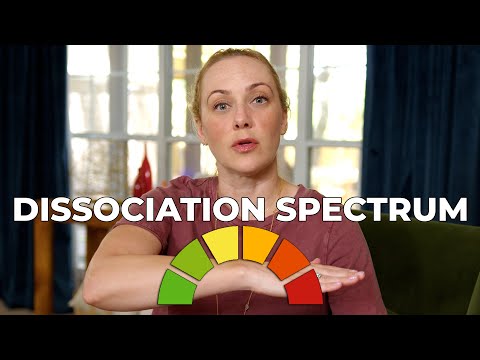
Hey, you know how sometimes your brain just kinda checks out when things get overwhelming? Yeah, that. It’s called dissociation.
But like, not all dissociation is bad. There’s a thing called maladaptive dissociation, and it can really mess with your mental health.
Imagine you’re in a stressful situation, and instead of feeling it, you sort of float away. Like watching life through a foggy window.
A lot of people deal with this more than you’d think. It can lead to some wild emotional rollercoasters that leave you feeling lost or disconnected.
So let’s chat about what it is, how it sneaks into everyday life, and what you might wanna do about it. Sound good?
Understanding the Impact of Prozac on Dissociation: Can It Help?
Dissociation can feel like a heavy fog rolling in. You know, that disconnect from reality or yourself that might leave you feeling lost or numb? It can really mess with your daily life and relationships. Maladaptive dissociation is a term used to describe those times when dissociation interferes with your everyday functioning. It’s common in folks who’ve experienced trauma or have certain mental health conditions, like PTSD.
So, how does Prozac fit into this picture? Well, Prozac is an antidepressant that belongs to a group of medications called SSRIs (Selective Serotonin Reuptake Inhibitors). Basically, it works by increasing serotonin levels in the brain. More serotonin usually means better mood and emotional stability. But does it help with dissociation?
For some people, yes! When the underlying anxiety or depression that often coexists with maladaptive dissociation gets treated effectively with Prozac, it can lead to a decrease in dissociative symptoms. Here are a few key things to consider:
- Improved mood: When you’re feeling less depressed or anxious, you might find that those foggy moments are less frequent.
- Better coping mechanisms: With increased emotional stability, it could be easier to deal with stressors instead of zoning out.
- Not a magic fix: Prozac won’t necessarily eliminate all dissociative symptoms on its own; therapy often works alongside medication for better results.
- Individual variation: Everyone reacts differently to medications. What works for one person might not work for another.
It’s important to remember that while some people report feeling more grounded on Prozac, others may not experience the same relief from their dissociative symptoms. Like Susan, a friend of mine who had struggled since her teens with trauma-related dissociation—after starting on Prozac and getting into therapy, she noticed fewer episodes where she felt completely disconnected from her surroundings.
But then there’s Jake who found that while his mood improved significantly with Prozac, his experiences of disassociation remained pretty much the same. This highlights how personal these journeys can be!
To sum up: if you’re dealing with maladaptive dissociation and wondering if Prozac could help—talking it through with someone who gets it is key! A mental health pro can guide you based on your unique situation and experiences. So yeah, exploring medication alongside therapy just might lighten that heavy fog for you. Just remember: progress doesn’t look the same for everyone!
Understanding the Physical Symptoms of Dissociation: A Comprehensive Guide
Dissociation can be one of those weird, disorienting experiences that, honestly, feels like your mind is just taking a little vacation while your body keeps going. It’s like when you’re watching a movie and suddenly realize you’ve just spaced out for 10 minutes. But it’s more than that; it can really mess with how you function in everyday life.
What is dissociation? Basically, it’s when there’s a disconnect between your thoughts, feelings, and sense of self. Your mind kind of hits the pause button as a way to cope with stress or trauma. You might feel detached from your body, which can lead to some seriously confusing physical symptoms.
One thing to know is that dissociation can be both adaptive and maladaptive. In tough situations, like during trauma, it might help you get through the moment by allowing you to emotionally detach. But if it happens too often or without any real trigger, it becomes maladaptive and can really disrupt your life.
So what are these pesky physical symptoms? Here are some common ones:
- Numbness or tingling: You know that feeling when your foot falls asleep? That’s similar but can happen in different parts of your body.
- Feeling disconnected: Like you’re floating outside of yourself or watching your life from a distance.
- Pain without reason: Sometimes you might feel aches in your body that don’t seem to have any cause.
- Dizziness or faintness: Ever stood up too quickly? Now imagine feeling like that for no reason at all.
Let me share a quick story—there’s this person I know who went through some tough stuff as a kid. They’d sometimes zone out during conversations, almost like their brain was saying «Nope!» and switching off for a bit. Physically, they’d often feel lightheaded or get these weird tingling sensations in their hands while this was happening. It’s such an odd experience but completely valid!
Understanding these symptoms is super important because they signal something deeper going on within you. You might find yourself dealing with anxiety or depression alongside dissociative symptoms. When you talk about these experiences with someone – like a therapist – it helps make sense of what’s happening.
Another thing to consider is how these symptoms can pop up at unexpected times—like during stress at work or after an intense argument. It’s way helpful if you notice patterns so that they aren’t just random occurrences but indicators of something bigger asking for attention.
In short, while dissociation might seem abstract and hard to grasp sometimes, recognizing the physical signs is key to managing its effects on mental health. Remember: if you’re experiencing this kind of distress persistently or it’s affecting your daily life significantly, reaching out for help isn’t just okay—it’s actually pretty essential!
Effective Strategies to Help Someone Overcome Dissociation: A Guide to Reconnection
Dissociation can be a tough experience. It’s like your mind is taking a little vacation from reality, sometimes as a way to cope with stress or trauma. If you’re trying to help someone who’s dissociating, it can feel overwhelming. Here are some strategies that can really assist in their reconnection process.
Firstly, it’s important to create a safe environment. You want them to feel secure and not judged. If they feel safe, they might be more open to talking about their feelings or experiences. Hold space for them without pushing too hard.
Next, encourage grounding techniques. These are simple practices that bring someone back to the present moment. Things like focusing on their breath, feeling textures around them (like a soft blanket), or even naming five things they can see, hear, or touch can help. You know? It’s about helping them reconnect with the here and now.
Another great thing involves mindfulness exercises. These can be as basic as sitting quietly for a few minutes and paying attention to thoughts without judgment. Sometimes, listening to calming music together or watching nature documentaries has restorative effects too.
Also, talking about emotions is crucial but tricky. Encourage gentle exploration of feelings without forcing it—just let them express themselves when they’re ready. Maybe suggest journaling or drawing if words are hard for them; those often help bridge the gap.
Now let’s talk about professional help too. If it feels like too much for you to handle alone, gently suggest they consider speaking with a therapist specialized in trauma or dissociation. A professional can offer insights and coping strategies that might not fit your role as a friend or family member.
Don’t forget patience. Healing from dissociation isn’t an overnight process; it takes time and support. Acknowledge small victories along the way—each step back towards connection counts!
Taking care of yourself while helping someone else is also essential. Make sure you’re allowing yourself time to recharge emotionally and mentally; you can’t pour from an empty cup!
Incorporating these strategies into your approach can make a significant difference in helping someone work through their dissociation struggles and reconnect with reality again. Every bit of support matters!
You know, dissociation can be a pretty tricky topic. It’s kind of like your brain’s way of hitting the pause button when things get too intense or overwhelming. But when it moves into that zone of maladaptive dissociation? That’s where things can get really complicated.
I remember talking to a friend who’d been through some tough stuff. She described moments where she’d zone out, almost like she was watching her life unfold from behind a glass wall. It felt safe at first, but over time, it became harder for her to connect with reality. The stuff that should have mattered—like spending time with friends or even going to work—turned into this foggy existence. Anxiety crept in, and she started feeling really disconnected from herself and others.
Maladaptive dissociation is basically when this coping mechanism stops being helpful and starts causing more problems than it solves. It’s like trying to avoid a storm by hiding in your closet forever—you might feel shielded for a while, but you’re missing out on life. And just like my friend found out, this can lead to issues like depression, anxiety, and trouble forming relationships.
So what happens next? Well, those moments of dissociation might make you feel numb during stressful times, but they can also lead to memory gaps or feeling disconnected from your own emotions. It’s frustrating because you want to feel alive and engaged, but your brain has other ideas.
Therapy can really help here. Finding someone who gets it—who understands that what you’re facing is a real struggle—can be a game changer. Talking about those experiences helps you reclaim your story instead of letting the disconnection write it for you.
Life can throw us some curveballs that make us want to escape. But the thing is, learning how to deal with those feelings instead of zoning out? That’s where healing begins. It’s about realizing that facing the storm might just help you grow stronger in the long run—even if it feels scary right now. So yeah, if you ever find yourself slipping into that haze too often? Just know you’re not alone in this journey; there are ways to find your way back to yourself!