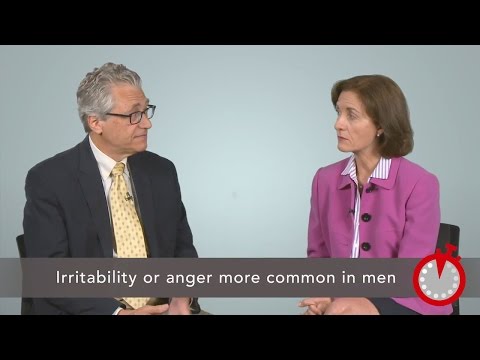
So, let’s talk about something that’s super important but kinda hidden in the shadows—male depression. Yeah, a lot of guys struggle with this stuff, but they don’t always know how to say it or what to do about it.
You might be thinking, “Depression? Isn’t that just a ‘girl thing’?” Nope! That’s a myth. Guys deal with their feelings differently. Sometimes, it means bottling things up until they explode or acting tough when they really just want to cry.
And hey, I get it. You don’t want to be seen as weak or whatever. But the truth is, talking about those feelings can be a game changer. Seriously!
So, in this little chat, we’ll explore some effective strategies for tackling male depression head-on. You know what? It’s time to kick stigma to the curb and start feeling better together. Let’s dive into this!
Effective Treatments for Depression in Men: A Comprehensive Guide
When it comes to treating depression in men, it’s super important to recognize that they might experience and express their feelings differently than women. Seriously, the symptoms can look a bit different. So, let’s break down some effective treatments that work well for guys dealing with this heavy stuff.
Therapy is one of the most common approaches. Talk therapy isn’t just about sitting on a couch and spilling your guts—though it can feel like that sometimes! In fact,
has proven really useful. CBT helps you identify unhelpful thinking patterns and replaces them with healthier ones. For example, if you constantly think about all your failures, CBT can help reshape those thoughts into something more balanced.
Another method is
. This one focuses on improving relationships and social skills—both of which can suffer when you’re feeling down. You know how some guys tend to bottle up their emotions? This therapy encourages open communication and building stronger connections with others.
Then there’s medication, which isn’t for everyone but can be a lifesaver for some. Antidepressants like SSRIs (selective serotonin reuptake inhibitors) can help balance chemicals in the brain that affect mood. Just keep in mind that finding the right medication often takes time and patience; what works for one person might not work for another.
Alongside these methods, lifestyle changes really make a difference too! Maintaining good physical health plays a crucial role in mental well-being. Here are some key points:
, even just going for a walk or hitting the gym, gets those endorphins flowing and can lift your spirits.
rich in nutrients helps fuel both your body and mind.
is huge; being well-rested seriously impacts your mood.
Sometimes it helps to join support groups where you can connect with others who get what you’re going through. It’s nice to know you’re not alone in this battle, you know? Sharing experiences can really lighten the load.
Lastly, never underestimate mindfulness practices. Techniques like meditation or yoga aid in managing stress and anxiety levels, making you feel more centered. Plus, they teach breathing exercises which can be super helpful during tough moments.
So there ya have it—these are some practical routes you might consider if you’re tackling depression as a man or if someone close to you is facing it. Remember that taking steps towards treatment shows strength; it’s not about weakness at all! It’s all about finding what works best for you or someone else navigating these rough waters.
Understanding the 5 R’s of Depression: A Guide to Coping and Recovery
The 5 R’s of Depression are a way to understand and cope with those heavy feelings that can creep in, especially for guys. It’s all about recognizing what you’re going through, you know? Let’s break down each of these R’s.
1. Recognize
The first step is recognizing when you’re feeling down. It ain’t always easy. Maybe you’re feeling irritable or just… not yourself. Sometimes, you might even shrug it off as fatigue or stress from work. But when these feelings stick around, that’s a sign. You might notice changes in your sleep or appetite too—you’re sleeping too much or not enough.
2. Reflect
Next is reflection. Take time to think about why you’re feeling the way you do. Ask yourself questions like, «What triggered this?» or «When did I start feeling this way?» It’s important to dig deep here—not just surface level stuff. For instance, maybe a relationship ended or work has been super demanding lately.
3. Reconnect
Here’s something super crucial: reconnecting with others can really help. This doesn’t have to be big gestures; it could be as simple as reaching out to a friend for coffee or joining a local group with shared interests. Feeling connected can help lift that weight even just a bit.
4. Reframe
Then there’s reframing your thoughts, which sounds all fancy but really means changing how you view things. If you’re stuck thinking “I’ll never get better,” try flipping that script to “I can find ways to feel better.” It’s tough at first but gives you more power over your feelings.
5. Recover
Finally, recovery is about finding what works for you and sticking with it over time—this isn’t something that happens overnight! This might include therapy, medication if needed (but that’s between you and your healthcare provider), exercise, or creative outlets like art or writing.
Notice how each of these steps builds on the last? It’s all connected! If one step feels hard, don’t sweat it; it’s normal! Just allow yourself some grace and keep working through the process at your own pace.
In essence, understanding the 5 R’s of Depression isn’t just about getting through tough days; it’s about building tools for the long haul—making sure you’ve got ways to cope when life throws challenges your way again later on! Each step is like laying bricks in a wall that protects you from those heavy feelings trying to take hold again.
So remember: recognizing early signs leads to reflecting on them deeply; then reconnecting builds support; reframing shifts perspectives; and recovery keeps everything moving forward—taking one day at a time is key here!
Effective Strategies for Treating Depression in Men: Understanding Symptoms and Solutions
Depression in men can look different than what you might expect. A lot of guys may not even realize they’re dealing with it, you know? Sometimes, they’ll downplay their feelings or mask them with anger or irritability. So, let’s break it down a bit.
Common Symptoms
- Feeling sad or hopeless
- Loss of interest in activities once enjoyed
- Changes in appetite or weight—either eating way too much or not enough
- Trouble sleeping, or sleeping way too much
- Fatigue and low energy
- Difficulties concentrating
- Feelings of worthlessness or excessive guilt
This isn’t an exhaustive list, but it gives you a good idea. Some guys might think they just need to “tough it out,” but ignoring those feelings can keep them trapped in this dark place.
Effective Strategies for Treatment
Therapy is Key: Talking to someone can make a world of difference. Cognitive Behavioral Therapy (CBT) is popular and really effective. It focuses on changing negative thought patterns into more positive ones. Imagine being stuck in a loop of self-criticism; a therapist can help you find the escape route.
Medication: For some folks, medication might be necessary. Antidepressants can help balance chemicals in the brain that affect mood. It’s not for everyone though, so discussing options with a healthcare provider is crucial.
Lifestyle Changes: Exercise is like nature’s antidepressant—seriously! Getting those endorphins pumping helps improve your outlook. You don’t have to run marathons; it could be as simple as taking walks regularly.
You should also consider diet changes. Eating healthy foods like fruits, veggies, and whole grains can impact your mental health in bigger ways than we sometimes acknowledge.
Building Strong Relationships: Connecting with others is huge! Isolation makes everything worse, so reaching out to friends or family can provide support like you wouldn’t believe. Sometimes just talking about what you’re feeling—even if it’s uncomfortable—can lighten the load considerably.
Anecdote Time:
I remember my buddy Dave always seemed fine on the surface: cracking jokes and all that! But one night over beers, he opened up about feeling down for months without knowing why. Turns out, talking about it made him feel lighter—and he ended up seeking therapy after our chat! It was inspiring to see how just opening up had such a big impact.
Mental Health Days: Taking time off from work to focus on yourself isn’t selfish; it’s necessary sometimes! Allow yourself breaks when needed; pushing through isn’t always the answer.
Acknowledging Feelings: This one’s tough but super important—acknowledging what you’re feeling without judgment is key. It’s okay to feel sad or overwhelmed; accepting those emotions rather than hiding them will lead to healing.
Tackling depression as a man means recognizing that vulnerability doesn’t equal weakness; it’s part of being human. If you’re struggling—or know someone who is—it’s perfectly okay to seek help and use these strategies!
You know, male depression can be really tricky. It’s not always obvious because, well, guys often feel like they have to tough it out. I mean, society kinda tells them to “man up,” right? That stigma makes it super hard for a lot of men to reach out for help.
Let me share this story about my buddy Mike. He’s the life of the party, always cracking jokes and making everyone laugh. But last year, he started pulling away from us. It was subtle at first—skipping hangouts and canceling plans last minute. When I finally asked him what was up, he admitted he was feeling lost and down a lot. It hit me then that even the happiest people can wrestle with depression.
So, when it comes to treating male depression effectively, there are a few strategies that really seem to resonate. First off, therapy can be a game-changer—especially approaches like cognitive-behavioral therapy (CBT). It’s all about helping guys recognize negative thought patterns and replacing them with healthier ones. You don’t need to sit in a stuffy room for weeks on end; many find success in just a handful of sessions.
Another cool thing? Support groups! Being around other dudes who get it—that sense of camaraderie makes a huge difference. They can share experiences that feel like you’re not alone in this battle.
And let’s not forget about physical activity! Seriously—exercise isn’t just great for your body; it gives your mind a boost too. Just going for a run or lifting weights can help release those feel-good chemicals called endorphins.
This might sound like common sense—you know how we often brush off things like sleep and nutrition too? But improving those basic areas can have such an impact as well. Eating right and catching some z’s helps level up mood stability.
Ultimately, I think openness is key here. Just being able to talk about feelings without judgment can do wonders. Mike started sharing his struggles with us more openly after his initial confession, and I think that support from friends has really helped him start healing.
So yeah, treating male depression isn’t just about one-size-fits-all solutions; it’s about reaching out whether through therapy or finding support among friends and family who actually care enough to listen—and maybe even relate their own experiences too!