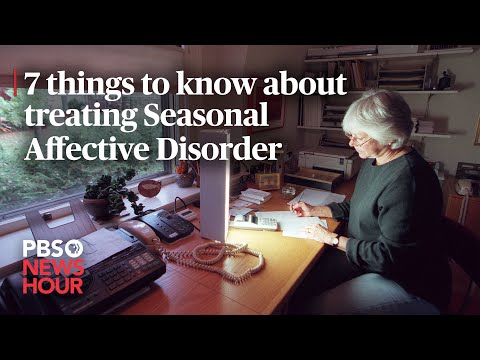
You know that feeling when the days get shorter and the sun seems to play hide and seek? Yeah, that’s seasonal depression creeping in. It can feel like you’re stuck in this gray fog, right? Just dragging yourself through the day.
But you’re not alone in this. So many people experience those winter blues. They might not talk about it, but it’s real. The struggle is pretty common, especially when the holidays roll around and everyone’s supposed to be cheery.
What if I told you there are ways to manage it? Seriously! With a few psychological strategies, you can lighten that mood a bit. Let’s chat about some easy ways to tackle those seasonal feels and bring back a little sunshine into your life. Sound good?
Understanding Seasonal Affective Disorder: Symptoms, Causes, and Effective Treatments
So, let’s chat about **Seasonal Affective Disorder**, or SAD for short. If you’ve ever felt extra blue when the days get shorter and darker, you might just relate to this. Some folks experience a kind of depression that hits with the changing seasons, especially in winter.
**Symptoms of SAD** can be pretty rough. People often report feeling sluggish, or like they can’t get out of bed. It’s not just about feeling sad; there are other things that come with it. Here are some common signs:
- Low energy: Just wanting to sleep all day feels familiar.
- Changes in appetite: Craving carbs or sugary snacks can be a real thing.
- Difficulty concentrating: Your brain feels like it’s wrapped in fog.
- Social withdrawal: Not wanting to hang out with friends or family is a big red flag.
- Irritability: Little things start to annoy you more than they normally would.
Now, why does this happen? Well, it turns out that **causes of SAD** aren’t fully understood yet, but there are theories floating around. The big one is sunlight—or lack thereof! The change in daylight hours seems to impact our body’s internal clock (circadian rhythms).
Beyond that, lower levels of **serotonin**, a mood regulator, can also contribute since less sunlight may mean your body makes less of this happy chemical. And then there’s melatonin—the sleep hormone—that might get all messed up due to those long winter nights.
So now that we know what SAD is and what might cause it, what can you do if you’re feeling this way? Getting help is key! Here are some effective treatments that people have found helpful:
- Light therapy: This involves sitting by a special light box that mimics natural sunlight. It can help reset your internal clock.
- Cognitive-behavioral therapy (CBT): This type of talk therapy focuses on changing negative thought patterns and behaviors associated with depression.
- Medication: Antidepressants could be an option for some folks as well. It’s super important to talk to a doctor about this!
- A healthy lifestyle: Regular exercise and good nutrition play huge roles in mood stabilization throughout the year.
You know what’s interesting? Just hearing from someone who’s been through this really puts things into perspective. My friend Lisa used to feel hopeless every winter until she started using light therapy along with some counseling sessions—she’s now managed to turn her winters into something manageable instead of unbearable.
If you’re thinking about reaching out for help or support during these tough months—like talking with a therapist or checking out support groups—it could really make a difference. Winter doesn’t have to feel so bleak if you’ve got the right tools on your side! So remember, it’s okay not to feel okay sometimes, but it’s also okay to seek help when you need it.
Effective Strategies for Overcoming Seasonal Depression: Tips for Emotional Well-being
Seasonal depression, or Seasonal Affective Disorder (SAD), can hit hard when the days get shorter and the weather gets chilly. You might feel low energy, difficulty concentrating, or even just a sense of hopelessness that lingers. So how do you tackle this beast? Let’s break down some effective strategies that can really help.
1. Get Some Sun
Light is a big deal when it comes to mood. Seriously. If you can, go outside during the day, even if it’s cloudy. You’d be surprised how even a little bit of natural light helps. If access to sunlight is tough where you live, consider using a light therapy box. It’s basically like having your own mini sun that you can sit in front of for about 20-30 minutes each morning.
2. Stay Active
Physical activity can boost those feel-good chemicals in your brain called endorphins. Even something as simple as a brisk walk around your neighborhood or doing jumping jacks in your living room can work wonders. Aim for at least 30 minutes most days of the week if you can swing it.
3. Keep a Routine
Having structure in your day makes a huge difference—trust me on this one! Get up at the same time every day, eat meals at regular times, and schedule activities that bring you joy. This sense of stability helps counteract some of the unpredictability that seasonal changes bring.
4. Connect with Others
Isolation can make things worse when you’re feeling down, so reaching out is super important! Whether it’s grabbing coffee with friends or just chatting with family on the phone, staying connected will help lift your spirits and remind you you’re not alone in all this.
5. Mind Your Diet
What you eat affects how you feel, believe it or not! Try to focus on well-balanced meals loaded with fruits and veggies—those are full of nutrients that keep your brain happy and healthy. Avoid too much caffeine and sugar since they might give temporary boosts but then lead to crashes later on.
6. Practice Mindfulness or Meditation
Taking some time to breathe deeply and get centered is magic for anxiety and sadness alike. Even five minutes a day spent focusing on your breath can help ground you in the present moment instead of spiraling into negative thoughts about winter blues.
7. Seek Professional Help if Needed
If you’re really struggling and these strategies aren’t cutting it, don’t hesitate to talk to someone who specializes in mental health—like a therapist or counselor—a neutral space where you can vent without judgment might be just what you need.
So there it is; a handful of strategies to help manage seasonal depression better than before! Just remember: you’re not alone, don’t beat yourself up about how you’re feeling, and try out these tips as tools to support your emotional well-being through those gray months ahead!
Natural Remedies for Seasonal Affective Disorder: Effective Ways to Boost Your Mood
Alright, let’s talk about Seasonal Affective Disorder (SAD), which is like this unwelcome guest that shows up when the days get shorter and gloomier. If you’ve ever felt a bit down, tired, or even irritable when winter rolls around, you might know what I’m talking about. The thing is, while therapy and medication are often helpful options for tackling SAD, some people find a little joy in natural remedies too. So, let’s dig into some of those.
Light Therapy is often a go-to for combating SAD. Ever hear of those bright boxes? They mimic sunlight and can help boost serotonin levels—basically giving your brain what it craves during those dark months. You just sit in front of one for about 20-30 minutes a day. No fancy equipment needed—just you and your favorite chair!
Another thing to consider is regular exercise. Yeah, I know—sounds cliché, but seriously, moving your body can crank up your mood significantly. Even a brisk walk outside on a sunny day can do wonders. It’s like hitting the reset button on those heavy feelings.
The right diet also plays its part. Eating foods rich in omega-3 fatty acids—like fish or flaxseeds—can potentially improve your mood. Plus, make sure to munch on fruits and veggies! They’re packed with vitamins that help you feel bright rather than blah.
- Meditation and mindfulness: These practices can help ground you when seasonal blues hit. Just taking some time to breathe deeply and focus can lighten that mental load.
- Sneak in sunshine: When the sun peeks out, seize the moment! Open windows or step outside to soak up any rays that come your way.
- Aromatherapy: Scents like citrus or peppermint can uplift your vibe a bit. Consider getting an essential oil diffuser for your space; it might just create an inviting atmosphere.
- Social connections: Don’t underestimate the power of friends! Chatting or hanging out with others can bring back feelings of warmth during cold months.
You know what else? Keeping track of how you’re feeling through journaling could provide some perspective too. Reflect on what works for you and what doesn’t—it helps pinpoint patterns over time.
In short, managing Seasonal Affective Disorder isn’t just about fighting off winter’s chill with hot chocolate (although that’s pretty nice!). By incorporating these natural remedies into your routine, hopefully you’ll find yourself lifting out of those seasonal lows more easily. Remember: it’s okay to ask for help if things get heavy! You got this!
Seasonal depression can hit like a ton of bricks, right? You know, when the days get shorter and colder, and suddenly you find yourself feeling moody and less motivated. I remember a friend of mine saying how every winter felt like a struggle to get out of bed. It’s tough when the light fades and everything outside seems kind of dreary. But here’s the thing: there are ways to manage those low feelings through some psychological strategies that can really help.
First off, let’s chat about light therapy. Seriously, it might sound a bit gimmicky at first, but it can be a game changer. Those special lamps mimic natural sunlight, which our brains crave during those dark months. Using one for just 20-30 minutes in the morning can seriously boost your mood. Think about it like getting a little sunshine indoors! I heard my friend actually started using one last winter, and she said it made such a difference—like someone flipped on a switch.
Then there’s maintaining a routine. When everything feels gray outside, having structure can really help keep you grounded. Even if you’re not motivated to do much, try starting your day with simple things—like making your bed or brewing your favorite coffee. These small victories add up! They give you that sense of achievement that sometimes feels missing in the thick of winter blues.
Another thing worth mentioning is connecting with people—yeah, even if it means dragging yourself out into the cold for coffee with friends or joining an activity group. Humans are social creatures; being around others can lift your spirits in ways we often forget about when we withdraw into our cozy corners.
And don’t underestimate the power of self-compassion! Sometimes we’re so hard on ourselves for feeling down during certain seasons—it’s almost like we expect ourselves to be cheerful no matter what! Remind yourself it’s okay to feel what you feel. Allowing those emotions to exist without judgment can lighten that heavy load you might be carrying.
So yeah, seasonal depression isn’t something you just have to accept as part of winter life—you’ve got tools at your disposal! I mean, my friend didn’t just sit back and wait for spring; she took steps that worked for her. It’s all about finding what resonates with you and making small changes that fit into your own life rhythm during those darker months ahead. You got this!