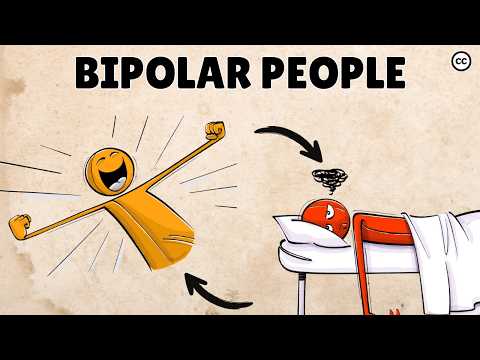
Mania can be a wild ride, right? Like, one moment you’re on top of the world, buzzing with energy. The next? Well, it can be a little chaotic.
You might feel unstoppable. Ideas popping in your head like popcorn. Or maybe it’s more like your brain is running a marathon while your body is just trying to keep up!
But, hold up—it’s not all sunshine and rainbows. Mania can get intense. Seriously intense.
Sometimes, it feels like you’re in a supercharged dream where everything’s possible. Other times? It can throw everything off balance.
So, let’s chat about what that emotional landscape looks like when you’re on this rollercoaster called mania. I promise we’ll clear things up a bit!
Understanding the 4 Stages of Mania: Exploring Elevated Mood in Mental Health
Mania is one of those terms that gets thrown around a lot, but when you really look at it, it’s so much more than just feeling super happy. Mania can be part of bipolar disorder and can seriously affect how someone thinks and acts. You might see it as a rollercoaster ride through emotions, where things start to get really intense. So let’s break down the four stages of mania to understand what the heck is going on.
For example, I had a friend who went through this stage once. She organized her entire life in a weekend! It was impressive but also kinda chaotic—you know what I mean? She was great for a while, but there were signs she was pushing too hard.
Imagine someone who walks into a store and buys every crazy gadget they see just because they felt inspired in the moment. It sounds fun until reality kicks in later when those bills come due.
Think about someone who believes they have special powers or can communicate with aliens; that’s not just quirky anymore—that’s severe mania talking! And during this time, people around you can feel pretty worried about your well-being.
Picture sitting on top of the world one second while crying over something trivial the next—it’s exhausting! This chaotic blend makes it tough to figure out what you actually feel.
Mania isn’t just about feeling great; it’s all about an emotional landscape that swings dramatically from one end to another. Recognizing these stages can help you—and others—understand what’s happening better and possibly get support if needed.
The thing is that being aware of these stages is crucial for anyone experiencing them or for their loved ones trying to help along the way. Mental health challenges often go unnoticed until they become really disruptive in our lives—but understanding what each phase entails helps us navigate them with more compassion and clarity.
Effective Strategies for Navigating a Manic Episode: A Comprehensive Guide
A manic episode can feel like being on a rollercoaster without a seatbelt, right? Your emotions can spike, your thoughts race, and suddenly, you feel like you’re capable of anything. It’s intense and can be overwhelming. So how do you navigate through it? Here are some effective strategies that might help.
First off, recognize the signs. It’s super important to know when a manic episode is creeping up on you. You might notice changes in your sleep patterns or maybe you’re talking faster than usual. Pay attention to those signs; awareness is half the battle.
Sticking to a routine can really ground you during these times. I know it sounds boring, but having structure helps manage those wild emotions. Try to wake up and go to bed at the same time every day. Sounds simple, right? But it makes a difference.
Another strategy is having a support system. Friends or family who get what you’re going through can be lifesavers. You could have a buddy who checks in with you when things feel off or when your mood is shifting. Just knowing someone’s got your back helps lessen the intensity.
Now let’s talk about safety plans. Seriously consider creating one. This could involve listing coping strategies that work for you—like grounding exercises or deep breathing techniques—alongside people to call if things get tough. It might feel like overkill, but having something ready can ease panic when everything feels chaotic. In the middle of feeling supercharged and invincible, it’s easy to forget to eat well or take breaks. Try carving out time for things that calm you down—whether that’s listening to music, drawing, or even just stepping outside for fresh air.
And while we’re at it, keeping track of your triggers can really help too! Is there something specific that tends to set off those feelings? Maybe stress from work or something else? Keeping a journal could help identify patterns over time so you’re more prepared next time.
Medication management plays an important role as well if that’s part of your plan with your healthcare provider. Work together with them so they understand how things are going during these episodes and can adjust treatments as needed.
Lastly, remind yourself that this feeling won’t last forever; try repeating this mantra during tough moments: *This too shall pass.* Because honestly? It usually does!
Navigating mania isn’t always easy; it can be exhausting emotionally and physically. But with these strategies tucked away in your toolkit, managing those wild episodes may become just a bit easier. Every little bit helps!
Understanding the 4 A’s of Mania: Key Insights into Bipolar Disorder
Mania can be a wild ride, right? If you or someone you know has bipolar disorder, understanding the “4 A’s” of mania is super helpful. These 4 A’s are affect, activity, attitude, and associations. Let’s break it down together.
Affect is all about how you feel. During a manic episode, your mood can skyrocket. You might feel euphoric, energized, or invincible. Everything seems possible! But sometimes, this high mood can swing into irritability. Like that time when your friend was way too excited about a concert and ended up snapping at someone over the smallest thing. It shows how intense emotions can be during mania.
Next up is activity. When you’re manic, it feels like there’s not enough time in the day to do everything you want to do! You might take on too many projects at once—starting that new hobby, rearranging your entire home, and planning a big event all in one week! The downside? You can end up burning out fast. It’s like trying to sprint a marathon; eventually, you run out of gas.
Now let’s chat about attitude. People experiencing mania often have an inflated sense of self-confidence. Hey, you’ve got this feeling that you’re on top of the world! But keep an eye out—this attitude might lead to risky decisions. Think about those impulsive purchases or spontaneous road trips that sounded amazing at the time but then turned out to be huge stressors later on.
Finally, there’s associations. During mania, your mind races faster than a speeding train! You jump from one thought to another without much connection between them. One moment you’re talking about going skydiving and then suddenly discussing your favorite pizza toppings—it’s all just flying around in there. It makes conversations challenging for others who might struggle to keep up.
So yeah, understanding these 4 A’s really helps when navigating through the emotional landscape of mania in bipolar disorder. It’s like having a map for what can feel like chaos sometimes; it gives you insight into how these episodes play out and why they happen. Being aware makes it easier for both you and those around you to navigate through those intense times together!
Mania can feel like riding a rollercoaster, you know? One minute, you’re at the top, feeling invincible and full of energy, and the next, you might drop into a pit of confusion or frustration. It’s that wild and intense emotional landscape that can be hard to navigate.
Imagine waking up one day bursting with creativity, ready to conquer the world. You might think about all the projects you want to start—maybe it’s writing that book or planning an epic trip—like everything is just within your grasp. Then there’s this incredible rush where your thoughts race faster than you can catch them. It’s exhilarating! I remember a friend of mine describing it like standing on top of a mountain with the wind in their hair, feeling alive in a way they’ve never felt before.
But then there’s this flip side. The euphoria can quickly turn into irritability or impulsiveness. You know how when you’re super excited about something, but if even one little thing goes wrong, it feels like all that excitement just crumbles? That shift can leave you feeling scattered or even a bit paranoid. One moment you’re planning how to change the world, and before you know it, that same feeling fuels reckless decisions that lead to regret down the line.
Finding balance while experiencing these highs and lows isn’t easy. It’s almost like trying to juggle fireballs; it’s thrilling but also risky! You might feel superhuman one second and then completely overwhelmed the next. That unpredictability can strain relationships too. Friends may not understand what’s happening; they see someone who’s gone from bubbly to irritable within minutes.
Self-awareness becomes crucial during these times. It helps if you develop tools or strategies—like mindfulness—to keep from getting lost in those emotional waves. Keeping tabs on your moods can make all the difference—like having a map for navigating through uncharted territory.
So yeah, when dealing with mania mood swings, it helps to have a support system around you who gets it—or at least tries their best to understand what you’re going through! And sometimes just talking about those experiences can help lighten the load and bring clarity amidst all those intense feelings swirling around inside your head.