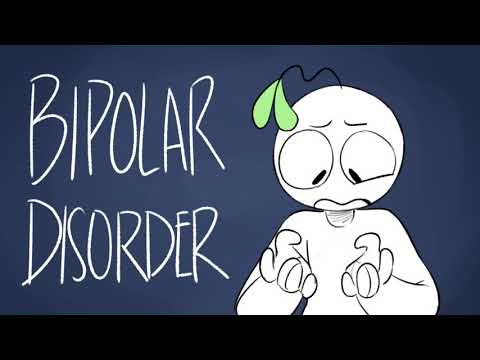
Hey there! So, you know how life can get a bit wild sometimes? Like, one moment you’re on cloud nine, and the next, it’s like someone flipped a switch?
That’s basically what dealing with a manic personality feels like. It’s not just about feeling super happy or energized; it’s a rollercoaster ride of emotions that can be confusing for both you and the folks around you. You feel me?
Imagine being so pumped about everything that you have a million ideas buzzing in your head, but then—boom!—it all takes a left turn. It can feel like trying to catch smoke with your bare hands.
Let’s chat about why understanding this whole manic thing is important. You might be surprised by what you find out!
Understanding Hypomania: The Calm Before the Storm in Mental Health
Hypomania is like that sneaky cousin of mania—you know, the one who shows up uninvited but seems pretty cool at first. It can feel exhilarating, making you feel more energetic or creative than usual. But don’t let that rush fool you; it can lead to some pretty tricky situations.
What is Hypomania?
Essentially, it’s a milder form of mania seen in conditions like bipolar disorder. You’re not hitting those extreme highs and lows that can throw your life into chaos. Instead, hypomania can manifest as an elevated mood with increased activity or energy. It lasts for at least four days and isn’t severe enough to disrupt your daily life drastically.
Common Signs:
You might wonder what the symptoms look like, right? Well, here’s a brief rundown:
- Increased energy: You could clean your entire apartment and still want to run a marathon.
- Racing thoughts: Your mind feels like it’s on hyperdrive—you jump from one idea to another.
- Reduced need for sleep: You might feel perfectly fine after just a few hours of shut-eye.
- Euphoria or irritability: One minute you’re on top of the world, then suddenly annoyed by small things.
- Poor decision-making: You might impulsively spend money or take risks you wouldn’t normally consider.
Think about someone who just got back from a fantastic vacation. They’re full of plans and ideas—maybe they’ve even signed up for two new classes! That’s often how hypomania feels; it’s exciting but can lead to burnout or regrets later.
The Calm Before the Storm
And here’s where it gets a bit more complicated. Hypomania doesn’t stick around forever. It rarely exists in isolation and often precedes mania or depression in the bipolar cycle. It’s almost like this *calm* before an emotional *storm* hits—that exhilarating feeling suddenly spirals out of control into full-blown manic episodes, which are way more disruptive.
Now imagine doubling down on everything: spending money wildly, having big arguments with friends over nothing serious because you’re so keyed up—the fallout can be tough when reality comes crashing down after those highs.
Coping Strategies and Management
If you’re navigating hypomania, communication is key. Keeping friends and family in the loop about how you’re feeling lets them notice changes if you can’t see them yourself.
Also, sticking to a routine helps ground you during hypomanic phases; regular sleep patterns and healthy eating really do matter! Sometimes talking therapy can give you space to process what you’re going through without judgment.
Sometimes people don’t even realize they’ve been hypomanic until they crash into depression later on. So being aware of your triggers and mood changes plays a big role in managing these cycles—keeping your mental health in check isn’t easy, but hey! You’re not alone in this journey.
To sum it up: Hypomania may seem like fun at first glance but remember that it can be a double-edged sword if left unchecked. Knowing its signs leads to better understanding—and ultimately better management—of your mental health journey. We’re all just trying to figure this out together!
Understanding the Causes of Manic Episodes: Key Triggers and Factors
Manic episodes can be a wild ride, seriously. They’re often associated with bipolar disorder, but they can really mess with someone’s life. You know, it’s not just about feeling really happy or energetic for a day; it’s like being on a roller coaster that never stops.
So what triggers these episodes? Well, there are a few key factors to consider. Let’s break them down.
Genetics can play a big role here. If someone in your family has bipolar disorder or another mood disorder, you might be more likely to experience manic episodes yourself. It’s like inheriting your grandma’s curly hair—some things just run in the family.
Stressful Life Events are also major triggers. Maybe you got a new job, went through a breakup, or even lost someone important to you. Life changes can throw your mood into chaos. One friend of mine started having manic episodes after her parents divorced. The stress of it all just flipped her emotions upside down.
Then we have substance use. Alcohol and drugs can really mess with your brain chemistry and set off mania. For some people, even caffeine can be enough to spark an episode. Like my buddy who couldn’t stop drinking energy drinks and ended up in a really manic phase for weeks.
Another thing is sleep patterns. Lack of sleep or irregular sleep schedules can trigger mania too. Think about it: if you’re running on fumes, your brain can start acting all kinds of weird! One time I stayed up late binge-watching shows and felt super wired the next day—imagine that feeling but magnified times ten!
Now let’s talk about hormonal changes. Sometimes hormonal shifts during puberty, pregnancy, or menopause can influence moods and potentially trigger mania. It might sound strange, but our bodies are connected in ways we often overlook.
Lastly, we should mention medications. Certain medications meant for depression or other disorders may sometimes cause manic symptoms as side effects—definitely something that needs careful monitoring by a doctor.
So yeah, if you or someone you know is experiencing manic episodes, recognizing these triggers is super important for managing them effectively. Getting help from professionals who understand this stuff can really make a difference in navigating those tricky waters of mental health!
Understanding Manic Episodes: Are They Harmful or Just a Part of Mental Health?
So, let’s talk about manic episodes. You might have heard of them in relation to bipolar disorder. Well, these episodes can feel like a wild rollercoaster ride. Usually, they come with this intense energy, feeling super happy, and sometimes people can think they’re invincible. But the thing is, there’s way more to it than just feeling high on life.
What Happens During a Manic Episode?
During a manic episode, your mood soars to these sky-high levels. A few things tend to happen:
- You might find yourself talking way faster than normal.
- Your sleep needs shrink down—like you could function on no sleep at all.
- Often there’s this overwhelming sense of confidence.
But here’s where it gets tricky—this heightened state isn’t always harmless.
The Harmful Side of Mania
While that energy can be fun at first, there’s a risk involved. Some people end up making impulsive decisions during manic episodes. Think about spending huge amounts of money or engaging in risky behaviors—yeah, that stuff can lead to serious consequences later on.
Just imagine someone going out for a night of fun and ending up booking an expensive trip they can’t afford! It can really mess with their lives after the high wears off.
How Does It Affect Relationships?
You know those times when you get super excited? That kind of energy can be infectious! But when someone’s in the middle of a manic episode, others around them may start feeling overwhelmed or even scared. Friends and family might struggle to understand what’s happening, which puts strain on relationships.
For example, if your buddy suddenly starts planning elaborate parties every night without considering other people’s schedules or feelings… that enthusiasm is gonna hit some roadblocks fast!
Is Mania Just Part of Mental Health?
Here’s where things get nuanced: while mania is definitely part of some people’s mental health experiences, it’s not just a quirky trait. People dealing with these episodes often face long-term challenges if left untreated. Yeah, they might have moments that feel amazing, but those highs are usually followed by crushing lows—like hitting rock bottom after floating too high for too long.
And it doesn’t just end there; untreated mania can contribute to issues like depression or anxiety later on.
The Big Picture: Seeking Help
If you or someone you love experiences manic episodes regularly, getting help is crucial. It doesn’t mean something’s wrong with you—it means you’re navigating through something complex and challenging. Therapy and medication can help manage those swings better so that life feels more balanced overall.
Your mental health journey should never feel alone! Reaching out to a therapist or doctor could provide clarity and guidance—trust me; it’s often the first step toward understanding and control.
Mania might seem exhilarating sometimes but remember: it comes with its challenges too. And knowing how to handle those moments makes all the difference!
Manic personality, huh? It’s one of those things that can feel like a rollercoaster ride, not just for the person experiencing it but also for the people around them. I remember a friend of mine who went through phases of extreme excitement and energy. One minute, she’d be planning an epic road trip, and then a few days later, she’d crash and just want to lay in bed all day. It was like watching someone switch from bright sunshine to a heavy rainstorm, and it could be pretty exhausting for everyone involved.
When we talk about manic personality, we’re often referring to symptoms related to conditions like Bipolar Disorder. But it’s not just about the highs; it’s this complex dance between energy and emotion that can be puzzling at best. You might feel invincible one moment—like you could conquer the world—and then plummet into feelings of despair. It’s wild how your mind can swing from one extreme to another, right?
There are times when this heightened state brings creativity and drive. Many artists and thinkers claim that their best work comes during these manic phases. But it’s kind of a double-edged sword because when you hit that low point after all the high-flying moments, things can get dark quick. You know how they say that with great power comes great responsibility? Well, with those intense highs in mood often come risks—poor decision-making or relationship issues that crop up.
Navigating these ups and downs really requires understanding—not just from the person experiencing them but also from friends and family who may feel helpless or confused. The thing is, empathy goes a long way here; acknowledging that this isn’t just moodiness but part of a larger psychological landscape can make a difference.
Therapy can play a crucial role too! It helps in grounding those high-energy moments while providing tools for managing the lows. Medications might help stabilize mood fluctuations as well; there’s no one-size-fits-all solution though, since everyone’s experience is unique.
So yeah, if you’re close to someone with these traits or experiencing them yourself, know you’re on quite the journey together. It’s messy at times—there will be ups and downs—but understanding this complexity makes navigating it feel less daunting over time. And ultimately, everyone deserves support as they ride this emotional wave!