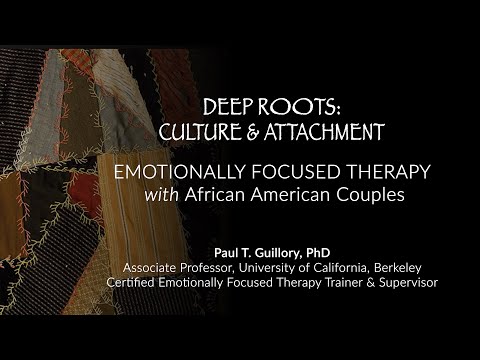
You know, relationships can be a rollercoaster, right? One moment you’re on cloud nine, and the next, it feels like you’re stuck in a loop. It’s totally normal.
For Black couples, navigating love can come with its own unique sets of challenges. Societal pressures, cultural nuances—these things matter.
If you and your partner are feeling a little lost or just want to strengthen your bond, marriage counseling might be the way to go. Seriously, it can make a world of difference!
Lucky for you, there’s a bunch of resources out there tailored for Black couples. Let’s explore some options that are nearby because everyone deserves support when it comes to love, don’t you think?
Discover Free Marriage Counseling Options: Support for Couples in Need
Finding a solid support system when times get tough in your relationship can be super important. If you’re looking for free marriage counseling options, you’re definitely not alone. Many couples, especially in the Black community, might feel like they don’t have resources to turn to. But there are actually several avenues to explore that can help strengthen your bond.
First off, let’s talk about community organizations. Many local nonprofits focus on mental health and family support. These groups often provide **free or low-cost counseling services** for couples in need. You can search online or check with places like churches or community centers nearby; they might even host workshops or group sessions about relationship skills.
Another great option is universities or colleges with psychology programs. Graduate students often offer counseling as part of their training—supervised by professionals, of course! These sessions usually come at a lower cost and sometimes even for free. So, if there’s a school around you, it’s definitely worth reaching out to see what services they offer.
Now onto hotlines; seriously, they can be lifesavers! Various organizations have hotlines dedicated to relationship issues where you can chat with someone trained in conflict resolution and marital support. For instance, the **National Domestic Violence Hotline** also offers resources for emotional support—even if violence isn’t an issue—just to help you both figure things out calmly.
You might also want to look into local therapists who specialize in working with Black couples. Some offer sliding scale fees based on income or may be part of programs that specifically cater to underserved communities. Websites like Psychology Today let you filter by location and specialty, so you can find someone right in your area who understands your unique experiences.
Here’s an example: A couple I know was really struggling with communication issues and couldn’t afford traditional therapy costs. They found a local nonprofit that provided weekly workshops focused on effective communication strategies tailored for Black couples—it changed their dynamic completely!
Lastly, don’t underestimate online resources! There are forums and social media groups where people share their experiences and advice on managing relationships. While this isn’t professional counseling per se, it could provide some valuable insights—and sometimes just knowing you’re not alone makes a world of difference.
In summary:
- Community Organizations: Look for local nonprofits focused on family support.
- University Programs: Check if nearby universities offer free counseling through graduate students.
- Hotlines: Utilize hotlines for immediate support and resources.
- Sliding Scale Therapists: Seek therapists who specialize in working with Black couples.
- Online Resources: Join forums or social media groups for sharing experiences.
So remember, finding help is totally possible—even when money is tight! Don’t hesitate to reach out; every step forward counts in rebuilding connection and understanding with your partner.
Free Couples Counseling: Exploring Accessible Mental Health Resources for Relationships
Well, relationships can be tough sometimes, right? Couples counseling can really help to work through issues, and the good news is that there are some free resources out there. Let’s break it down a bit.
Understanding Free Couples Counseling
Couples counseling isn’t just for couples on the edge of breaking up. It’s also for those who want to improve communication and strengthen their bond. Now, finding free or low-cost resources is super important, especially for Black couples who often face unique challenges in relationships.
Where to Look for Help:
- Community Health Centers: Many local health centers offer counseling services based on a sliding scale or even for free. They might have professionals trained in relationship issues.
- Nonprofits and Faith-Based Organizations: Some nonprofits focus specifically on relationship counseling. Churches and other faith-based groups might also provide counselors who offer services at little to no cost.
- Universities: If there’s a college nearby with a psychology program, check if they have a clinic. Often, students provide therapy under supervision at lower rates.
- Online Resources: Platforms like BetterHelp or Talkspace sometimes offer financing options or grants that can make counseling more affordable.
Let me share a quick story here: A friend of mine was struggling with communication issues with her partner. They didn’t know where to start until they found a local community center that offered free couples therapy sessions. That place helped them find common ground and talk through their frustrations.
Cultural Sensitivity in Counseling
It’s essential that the counselors you work with understand the cultural dynamics involved in Black relationships. Look for professionals who specialize in multicultural therapy or specifically in working with Black couples. They’ll get it—they know about the outside pressures that can affect your relationship.
The Benefits of Counseling
You might wonder what you could actually gain from couples counseling. Well, here are some key benefits:
- Improved Communication: Learning how to express feelings without fighting.
- Perspective Change: Seeing things from your partner’s point of view can be enlightening.
- Coping Strategies: Gaining tools to handle stressors together as a team.
I remember when another couple I know went through this process. They started off fighting during every conversation but ended up learning how to really listen and support each other—what a transformation!
If You Can’t Find Free Services
If you’re facing challenges finding free options nearby, consider looking into low-cost programs or university clinics mentioned earlier. It’s worth checking out multiple places because what works best can vary widely from one couple to another.
In short, reaching out for help is not just smart; it shows a commitment to making your relationship stronger! Whether it’s local community services or specialized online platforms, there are options out there waiting for you both to explore together!
Empowering Mental Health: The Role of Black Therapists in Supporting Community Wellness
The mental health landscape can be a challenging one, especially for marginalized communities. When it comes to Black individuals and families, the importance of culturally relevant therapy often can’t be overstated. This is where Black therapists play a crucial role in empowering mental health and supporting community wellness.
It’s not just about having someone who understands the technical aspects of therapy. It’s also about having someone who gets your experiences, your struggles, and your culture on a deeper level. You know how sometimes people just don’t seem to get it? That’s where representation matters a lot.
When we talk about marriage counseling resources for Black couples, having a therapist who understands the unique dynamics can make all the difference. For instance, systemic issues—like racism or socioeconomic challenges—can add layers of stress to relationships. A therapist who knows this firsthand can help you navigate these heavy topics without feeling judged or misunderstood.
Research even backs this up! Studies have suggested that when clients work with therapists from similar backgrounds, they often feel more comfortable sharing their thoughts and feelings. This leads to better outcomes in therapy sessions.
And let me tell you, therapy isn’t just about sitting on a couch spilling your heart out—it’s also about action! Black therapists often focus on solutions and practical steps that align with the values of their clients. For many, spirituality or community ties play an important role in mental health; acknowledging these aspects can create an avenue for healing.
Think of some common scenarios in marriage counseling. Perhaps one partner feels dismissed due to cultural stereotypes while another struggles with family expectations. A Black therapist would likely handle these issues more sensitively since they understand the real-life implications behind them.
In addition, there’s also the matter of trust—let’s face it; not everyone feels comfortable sharing their personal struggles with just anyone. Finding a Black therapist can build that bridge of trust in ways that are hard to put into words but feel so right when you experience it.
However, finding these resources might take some effort if you live in an area with limited options. It’s always worth looking online for directories or community organizations dedicated to connecting individuals with culturally competent therapists nearby.
So yeah, if you’re looking for marriage counseling or just someone to chat with about life’s ups and downs, consider reaching out to those who really get what it’s like—not only because they studied it but because they’ve lived it too. The power of connection can’t be underestimated when it comes to empowering mental health for all!
Finding the right marriage counseling resources, especially for Black couples, can feel like searching for a needle in a haystack sometimes. You know, it’s not just about getting help; it’s about finding support that really understands your unique experiences and challenges.
So, let’s say you’re going through some rough patches in your marriage. Maybe you’re feeling unheard, or there are cultural differences that keep resurfacing. It can be tough to navigate these things alone. I get it! That’s where counseling can come in handy. It offers a safe space where both of you can air out your feelings and work on solutions together.
Now, looking for therapists who truly connect with Black experiences might take a little digging. Some places might even have directories specifically aimed at connecting folks with culturally competent counselors. Community centers and local churches often provide resources too—sometimes they even host workshops focused on relationship skills, which can be super helpful.
You could also check online platforms that focus on mental health for BIPOC individuals. These websites often have listings of therapists who specialize in marriage counseling and understand the intersection of race and relationships. That kind of background is really important; it feels good to know your therapist gets where you’re coming from.
I remember a friend of mine who went to couple’s therapy after realizing things were getting stale between them. It was eye-opening for both of them, like peeling back layers they didn’t know existed! At first, they were nervous about opening up to someone outside their circle but ended up finding common ground through shared experiences with their counselor. It brought them closer in unexpected ways.
So if you’re considering this path, just remember—it’s okay to reach out for help and look for resources that resonate with you both as individuals and as a couple. There’s support out there tailored just for you!