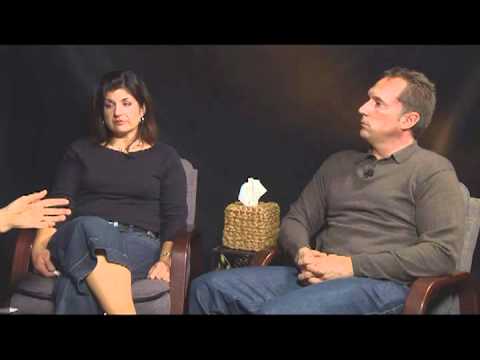
So, here’s the thing: relationships can be super complicated. You start out all starry-eyed, thinking it’s gonna be all bliss. But then, life hits you, and suddenly things aren’t so rosy anymore.
Now, imagine trying to fix it all by yourself. Sounds tough, right? This is where marriage counseling for one comes into play. Yup, you heard that right!
It’s not about dragging your partner into therapy; it’s more like digging deep into your own feelings and behaviors. Like, what are your patterns? What do you really want?
Trust me, it can feel a little weird at first. But sometimes taking that solo journey is what you really need to heal and grow.
Exploring the Benefits of Individual Participation in Marriage Counseling
Marriage counseling can often seem like a couple’s thing, right? But here’s where it gets interesting: you don’t have to wait for both partners to agree to go. In fact, participating in individual marriage counseling can be a game changer, and I’m here to lay out how.
First off, you might wonder what the heck individual marriage counseling even is. Well, it’s when one partner sees a therapist alone, usually focusing on the relationship but also digging into personal stuff that’s affecting how they relate to their spouse. It’s like having a personal coach who helps you navigate your feelings and behaviors within the marriage.
One major benefit is self-awareness. When you talk things over in sessions, you start seeing patterns in your thoughts and actions. You know that thing where you react harshly during an argument? Often, it reflects deeper issues or fears. So yeah, understanding yourself can change how you approach conflicts.
Another key point is empowerment. It might feel kinda lonely sometimes if your partner isn’t ready to join in the therapy gig. But here’s the bright side: working on yourself boosts your confidence. You’ll learn tools and strategies that help you express yourself better. Imagine feeling more assertive without losing your cool—that’s totally doable!
Then there’s this idea of communication improvement. In individual counseling, therapists often help develop communication skills that can be brought back into the relationship. You learn how to articulate your needs without sounding accusatory or defensive. It really changes the vibe when you go home and discuss sensitive topics.
Also, let’s talk about healing past wounds—seriously important stuff! If old baggage from previous relationships is creeping into your current one, addressing that in individual sessions allows for some serious emotional cleanup. For example, if a past betrayal makes you distrustful now, unpacking that with a pro can actually lighten your load and improve how you interact with your spouse.
Moreover, it offers a safe space. Sometimes sharing openly feels hard because both partners carry their own emotional weights. In individual therapy, you’re free from worrying about how your partner will react to what you’re saying since it’s just between you and the therapist.
And hey—individual sessions don’t mean you’re off track; they actively prepare for when couples therapy might happen later on! You’re laying groundwork by understanding yourself better first which could lead to more effective joint sessions down the line.
Of course, it’s not always straightforward or easy-peasy; change takes time. Expect some rough patches along this path of self-discovery and relationship growth. But isn’t that worth it for deeper connections? In short, individual participation in marriage counseling isn’t just beneficial; it’s often essential for those looking to heal not only themselves but also their relationships with others.
So think about this: if you’ve ever felt stuck or frustrated in your marriage—and who hasn’t at some point?—considering solo sessions might just be what kicks things up a notch toward healing for everyone involved!
Transform Your Connection: The Benefits of Individual Relationship Counseling for Personal Growth
Individual relationship counseling can be a game changer for personal growth, even if you’re not in a couple’s therapy session. You might think, “How does working on my relationship with someone else affect me?” Well, the truth is—it’s all about you! When you dive into your relationships, you’re really diving into your own emotional world.
In counseling, you get to explore your thoughts and feelings in a safe space. Maybe there are patterns in your relationships that keep popping up. So, what happens when you start to unravel those? You see how those patterns might reflect something deeper—your needs, fears, or even your past experiences. This process can feel like peeling an onion: each layer reveals something new. At first, it might make you cry a bit; but eventually, it leads to clarity and healing.
Here are some key benefits of individual relationship counseling:
It’s like having a personal coach who helps you understand the plays in this game called life. And honestly? It’s super empowering when those lightbulbs go off!
Picture this—you’re sitting across from a counselor, talking about how frustrated you’ve been with a friendship. As the talk flows, memories come up about feeling neglected as a kid whenever friends didn’t include you. That connection? It’s all part of the work! Recognizing such links helps break free from old wounds that influence current dynamics.
Then there’s that moment when someone says something like “You know what? Your feelings are valid.” And suddenly, it just hits differently! It feels good to be heard without judgment. That simple validation can trigger incredible shifts within yourself.
Healing isn’t just about addressing what’s wrong; it’s about building yourself up too. Through individual counseling focused on relationships, you’re investing time into understanding who you are—and who you want to be.
One of the amazing outcomes? You start noticing changes not just within yourself but also around how others respond to you. As you grow into this better version of yourself, people naturally gravitate towards that energy. That’s like planting seeds for healthier connections!
Also important is acknowledging that this kind of work takes time. Change doesn’t happen overnight—it’s gradual and requires patience (and maybe a few messy moments). But each session brings new discoveries that contribute toward inner peace and healthier interactions.
In short, if you’re considering transforming your connection—whether it’s with family members, friends or romantic partners—individual relationship counseling offers a unique path for personal growth. You’re not only healing relationships but actively nurturing your own emotional well-being along the way!
Find Effective Marriage Counseling Near You: Enhance Your Relationship Today
Finding effective marriage counseling can feel like a daunting task, but it’s totally doable. You might be wondering where to start, right? Well, let’s break it down.
First off, **understanding your needs is key**. Think about what issues you and your partner are facing. Are you dealing with communication problems? Or maybe there’s a lack of intimacy? Knowing what you want to work on helps narrow down your options.
Now, you could ask around for recommendations from friends or family. Sometimes the best leads come from people you trust. But if that’s not an option, online resources can be super helpful too! Websites and directories dedicated to therapy often provide listings based on your location, issues you’re facing, and even therapist specialties.
Another thing to consider is whether you want counseling for both partners or if one person will go solo—this is called **marriage counseling for one**. Sometimes, just one partner working on themselves can lead to a positive shift in the relationship dynamic.
So once you’ve got a list of potential counselors, check their qualifications. Look for licensed professionals—like LCSWs (Licensed Clinical Social Workers) or LPCs (Licensed Professional Counselors). These folks have the training and experience to guide you through the tricky stuff.
It’s also a good idea to look into their therapy approach—are they more into cognitive behavioral therapy (CBT), which helps change thought patterns? Or perhaps they lean towards emotionally focused therapy (EFT), which focuses on improving emotional bonds between partners? Understanding their style can help decide if they’re the right fit for your needs.
And hey, don’t forget about logistics! Consider things like location and when they’re available. You want someone whose schedule aligns with yours because nothing derails progress faster than trying to find time for sessions that clash with life’s demands.
Once you’ve narrowed it down and maybe even scheduled an appointment, allow yourself a moment of vulnerability. Therapy can be intimidating; it’s okay to feel nervous! Just keep in mind that this space is meant to be safe—a platform for both of you to express yourselves freely.
Lastly but super importantly: **trust the process**! It might take some time before things start feeling better or clearer between you two. Growth doesn’t happen overnight; it’s totally okay!
So there you have it—a breakdown of finding effective marriage counseling near you that resonates with what you need! Take those small steps toward healing together or individually; it could make all the difference in enhancing your relationship today.
You know, it’s a funny thing how we often think about marriage counseling as something for couples. But sometimes, it’s really useful for just one person. Healing the self can look different for everyone, right? It’s kind of wild to think that you might be able to find clarity and peace within yourself without the other half even being there.
I remember a friend of mine, Sarah. She was going through some tough times in her marriage. They were stuck in this endless loop of fighting over little things—like who forgot to take out the trash or why dinner was late. It got so exhausting! So, she decided to see a counselor on her own. At first, she felt a bit weird about it, like she was doing something wrong. But what happened next? Well, it turned out to be a lifeline.
In those sessions, Sarah learned a ton about herself—about her needs and fears, but also her patterns in relationships that were kind of unhealthy and didn’t help anyone involved. She realized that some issues weren’t even about her husband; they were rooted deep within her from childhood experiences and past relationships.
And here’s where it gets interesting: by focusing on herself and healing those old wounds, she wasn’t just fixing «the marriage» but also changing how she approached things altogether! Instead of waiting for her spouse to change or fix what was broken between them, she empowered herself first. It’s almost like putting on your own oxygen mask before helping someone else with theirs—totally necessary!
You might think that talking things out with a counselor can give you new tools to cope and communicate better with your partner—or maybe help you decide if it’s time to walk away from something toxic.
But let’s get real—it’s not always easy. Diving into your own stuff can feel like opening up old wounds that you thought had healed. I mean, who wants to relive painful memories or feelings? But with the right support and guidance—like from a good therapist—you can find ways to process everything healthily.
So yeah, marriage counseling for one? Totally valid and sometimes necessary! Whether it’s digging deep into your feelings or figuring out practical next steps in life or love, taking that time for yourself can make all the difference in the world—and maybe even save your relationship along the way! After all, healing is always worth it when you’re looking for connections that feel healthy and fulfilling instead of draining and chaotic.