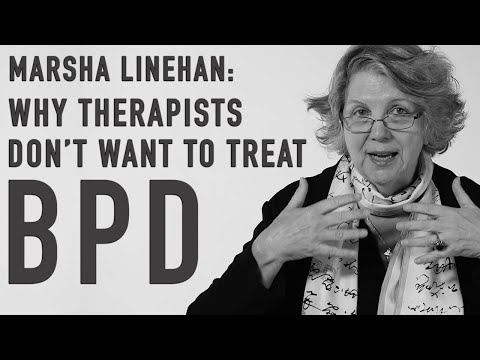
So, you know Marsha Linehan, right? She’s kind of a big deal in the world of mental health.
I mean, what she did for people with Borderline Personality Disorder is nothing short of amazing. Seriously, her work changed the whole game.
Imagine feeling so much that it’s like riding a roller coaster without a seatbelt. That’s what living with BPD can feel like.
But Marsha stepped in and said, “Hey, let’s figure this out.” And she did! So let’s chat about how this incredible woman made such a huge impact.
Understanding Linehan’s Theory of Borderline Personality Disorder: Key Concepts and Insights
Borderline Personality Disorder (BPD) can feel like a whirlwind of emotions. It’s intense, confusing, and oftentimes overwhelming. Marsha Linehan really made waves in the mental health world with her work on BPD, offering insights that have shaped how we view and treat this disorder. So, let’s break down some key concepts from Linehan’s theory.
Dialectical Behavior Therapy (DBT) is the cornerstone of Linehan’s approach. It mixes cognitive-behavioral techniques with mindfulness practices. Basically, it helps you learn to manage your emotions better while also being present in the moment. Imagine trying to catch a wave in the ocean. DBT teaches you not just how to ride that wave but also how to stay afloat during the storm.
One important piece of Linehan’s theory is the idea of emotional dysregulation. This means people with BPD often feel emotions more intensely than others do. Think about a time when you felt really angry or sad—now imagine that feeling cranked up to 11. That’s kind of what emotional dysregulation looks like for someone with BPD. It can lead to impulsive actions or reactions that might seem out of proportion.
Moreover, validation is another critical concept in DBT. It’s all about recognizing and acknowledging someone’s feelings without judgment. For folks dealing with BPD, often their emotions get dismissed or misunderstood by others, which just adds fuel to the fire. When someone validates your feelings, it can feel like a warm hug—you know? It helps build trust and connection.
Another crucial aspect Linehan talks about is the biosocial model. This theory suggests that BPD develops from a combo of biological factors (like genetics) and social experiences (like childhood trauma). Imagine if you had a genetic predisposition towards emotional sensitivity and then faced tough experiences growing up—it paints a clearer picture of why someone might develop BPD.
Now let’s talk about skills training. In DBT, people learn different skills grouped into four main categories: mindfulness, distress tolerance, emotion regulation, and interpersonal effectiveness. Each category tackles specific challenges faced by those with BPD:
- Mindfulness: Learning to stay present helps calm those racing thoughts.
- Distress Tolerance: When crises hit hard, these skills help you cope without resorting to harmful behaviors.
- Emotion Regulation: This boosts your ability to understand and manage intense feelings.
- Interpersonal Effectiveness: Building better relationships becomes possible when you know how to communicate your needs effectively.
So why does this all matter? Well, something that stands out in Linehan’s work is her emphasis on hope. People with BPD can thrive; they just need the right tools and support system in place. It’s not an easy road—it takes work—but change is definitely possible.
Sometimes it feels daunting when you’re stuck in cycles of pain or confusion; trust me—I’ve seen friends struggle deeply with this stuff. But learning about DBT and these principles offers paths forward, showing recovery isn’t just a distant dream but something truly achievable.
To wrap this up: Marsha Linehan didn’t just give us methods; she offered understanding—and that understanding can be life-changing for anyone touched by Borderline Personality Disorder.
Understanding the Concept of a Favorite Person in Borderline Personality Disorder (BPD)
The concept of a **favorite person** in Borderline Personality Disorder (BPD) can be a really intense and complicated part of the experience. You know, it’s like having someone in your life that feels like a lifeline, but at the same time, it can lead to some pretty tricky situations.
Basically, people with BPD often form deep emotional attachments to certain individuals. These are the favorite people. And this relationship can swing from feeling amazing and fulfilling to super overwhelming and chaotic. It’s almost like being on a rollercoaster—you’re up one moment and crashing down the next.
When you have BPD, your emotions can feel like they’re on fire. This makes it tough to maintain stable relationships because you might put all your hopes and dreams into this one person. They become your anchor in a stormy sea of feelings. But if something goes wrong—like if they take a step back or even just seem distracted—it can trigger feelings of abandonment or anger.
Marsha Linehan, who developed **Dialectical Behavior Therapy (DBT)**, has had a huge influence on how we understand BPD. She emphasizes the importance of emotional regulation and interpersonal effectiveness. This means that while it’s okay to have someone sweet in your life that you look up to or rely on, it’s also essential to develop skills that help manage those emotional highs and lows.
So here are a few key points about favorite people in BPD:
It’s important to recognize that while these feelings are valid, relying too heavily on one person for stability isn’t healthy either. You might find yourself neglecting other relationships or interests, which is tough because those connections matter too.
When I think about my friend Sarah—she has her struggles with BPD—I see this dynamic play out vividly. She had this best friend who was everything for her—her go-to person for advice and comfort. But when her friend became busy with work and didn’t have time for Sarah’s constant needs, it felt catastrophic for Sarah. The friendship became strained as she struggled with feelings of rejection.
Linehan’s work shows us ways to handle these emotions better through DBT skills training: learning how to validate feelings without losing balance emotionally is key! So yeah, understanding that “favorite person” concept isn’t just about attachment; it’s also about finding ways to regulate our emotions so we don’t get swept away by them.
In summary, having a favorite person when dealing with BPD is complex—it brings both comfort but also potential chaos into your life! Balancing those strong attachments while developing other coping mechanisms is crucial for healthier relationships overall.
Understanding BPD Treatment: Insights from Marsha Linehan’s Approach
Marsha Linehan is a name that often pops up when you’re talking about Borderline Personality Disorder, or BPD for short. She’s the genius behind **Dialectical Behavior Therapy (DBT)**, which is like a game-changer in how we treat folks with BPD.
**So, what’s the deal with DBT?** Well, it focuses on teaching skills to manage emotions and improve relationships. Imagine you’re feeling super overwhelmed by your feelings and don’t know how to handle them. DBT gives you practical tools for that.
Here’s a little breakdown of what DBT includes:
- Mindfulness: This helps you become more aware of your thoughts and feelings without jumping into action right away. You practice staying present.
- Emotion Regulation: It’s all about understanding and managing intense emotions. You learn techniques to reduce emotional suffering.
- Interpersonal Effectiveness: This part teaches you how to communicate your needs and maintain relationships while respecting others.
- Distress Tolerance: When things get tough, these skills help you cope in healthier ways rather than resorting to harmful behaviors.
Now, if you’re thinking, “That all sounds great, but does it really work?” The answer is pretty encouraging! Research shows that DBT can significantly reduce self-harming behaviors and improve overall functioning.
Let me share a quick story here. I once spoke with a woman named Sarah who had been struggling with intense emotions and unstable relationships for years. After starting DBT, she learned mindfulness techniques that helped her pause before reacting during conflicts—like when her boyfriend would forget their plans. Instead of lashing out in anger, she could take a breath, understand her feelings—and they talked it out instead.
Now, back to Linehan’s influence: she didn’t just stop at creating DBT; she also acknowledged the stigma surrounding mental illness. By openly discussing her own struggles with emotional dysregulation and suicidal thoughts, she humanized the condition—showing people it’s okay to seek help.
In recent years, **DBT has expanded** beyond just individual therapy sessions; there are now group programs as well. These provide community support where people can practice new skills together—not just learning from textbooks but applying them in real life.
Also worth mentioning: Linehan emphasizes the combination of validation and change. You know how sometimes people feel invalidated in their experiences? DBT teaches therapists to validate clients’ feelings while also encouraging change—kind of like saying «I see your struggle» while guiding toward healthier choices.
Lastly, if someone is considering treatment for BPD or knows someone who is struggling, finding a therapist trained in DBT could be really beneficial. It doesn’t just address symptoms; it offers hope for more fulfilled relationships and a better understanding of oneself.
So yeah, Marsha Linehan’s work has had quite an impact on how we approach BPD treatment today—it’s not just about managing symptoms but helping people thrive!
Marsha Linehan is one of those names you hear tossed around a lot in discussions about mental health, especially when it comes to Borderline Personality Disorder (BPD). I mean, if you’ve ever struggled with BPD or even just know someone who has, her work feels like a breath of fresh air. It’s real, it’s relatable, and frankly, it just makes sense.
So picture this: you’re sitting there feeling like your emotions are this wild rollercoaster. One minute you’re on top of the world, and the next? You feel completely crushed. That was me not too long ago. Finding out about Linehan’s creation—Dialectical Behavior Therapy (DBT)—was like discovering a toolkit for managing that chaos. Seriously.
What I love about Linehan is how she turned her own struggles into something that genuinely helps others. She managed to take her personal experiences with emotional turmoil and channel them into a framework that actually works for people battling BPD. This isn’t just some dry textbook stuff; it’s filled with compassion and understanding!
DBT focuses on skills like mindfulness and emotional regulation, which are total game-changers. You learn how to ride those emotional waves rather than getting tossed around by them. And let me tell you; that feels empowering! It’s cool how Linehan not only tackled the symptoms of BPD but also emphasized acceptance—that you can feel what you feel without judgment.
But here’s where it gets really interesting: she didn’t just throw these ideas out there and call it a day. No, Linehan pushed for these concepts to be recognized within the wider mental health community. That meant fighting against the stigma that often surrounds both BPD and its treatment options.
Her influence has shaped therapy practices widely; so many clinicians now use DBT because they see its effectiveness in helping folks live fuller lives despite their challenges. It’s refreshing to see such practical strategies being taken seriously in mental health circles.
In a way, Marsha Linehan’s journey mirrors the journey many of us face when dealing with complex emotions—it takes work, struggle, understanding, and finally hope. And realizing there are methods out there designed for us is nothing short of uplifting.
So yeah, whenever I think about Marsha Linehan and her impact on BPD treatment, I can’t help but feel grateful. The life tools she’s shared help people find light in what seems like an endless tunnel—and honestly? That makes all the difference in the world.