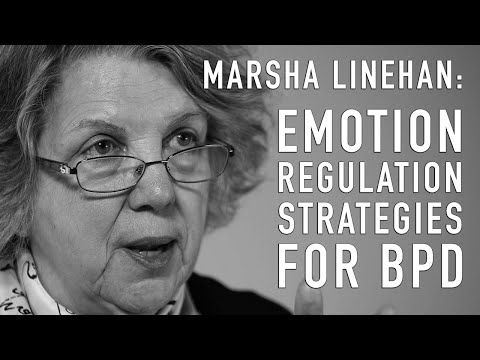
You know, if you’ve ever felt like emotions are running your life, you’re not alone. A lot of people experience this.
Borderline Personality Disorder (BPD) can feel like a rollercoaster ride. One minute, you’re on top of the world, and the next? Total chaos.
That’s where Marsha Linehan comes in. Seriously, this woman has changed the game for so many folks dealing with BPD.
Her approach? Dialectical Behavior Therapy (DBT). It’s a fancy term but believe me, it works wonders.
Imagine feeling in control of your emotions and relationships instead of them controlling you. Sounds good, right? Let’s dive into how Marsha made that possible for so many people!
Understanding BPD Treatment: Marsha Linehan’s Effective Approaches
Borderline Personality Disorder (BPD) can feel like navigating a stormy sea, right? It’s a tough journey, filled with intense emotions and impulsive behaviors. But one of the leading voices in helping people manage this disorder is Dr. Marsha Linehan. She developed Dialectical Behavior Therapy (DBT), which has been a game changer for many dealing with BPD.
So, what’s DBT all about? Well, it combines traditional talk therapy with skills training to help folks build healthier coping strategies. Linehan recognized that people with BPD often struggle with emotions that swing wildly, making them feel overwhelmed. That’s why DBT focuses on teaching skills in four main areas:
- Mindfulness: This is about being present and aware of your thoughts and feelings without judging them. It’s like hitting the pause button on your mind.
- Interpersonal Effectiveness: These skills help you communicate better, set boundaries, and maintain relationships without losing yourself.
- Emotional Regulation: Here, you learn how to identify and manage intense emotions effectively. So instead of feeling like a rollercoaster ride all the time, you can find some balance.
- Tolerance for Distress: It’s all about accepting difficult situations without jumping into unhealthy coping mechanisms. Think of it as learning to ride out the storm instead of getting swept away.
You know, when I think about my friend who went through DBT, it reminds me how powerful these skills can be. She used to react so intensely in stressful situations—really explosive stuff that left her feeling drained afterward. After working through DBT, she started noticing her triggers more clearly and could even take a step back before reacting. Seriously life-changing!
Another critical piece of DBT is the focus on validation. Linehan emphasizes understanding and accepting a person’s experience as real and valid—even if it seems irrational to others. This can make such a difference in therapy sessions where clients often feel misunderstood or dismissed.
But here’s something interesting: Linehan didn’t just stop at creating DBT; she also highlighted the importance of self-compassion in treatment. You gotta remember that recovery isn’t linear! There will be ups and downs along the way—sometimes even setbacks—but learning to treat yourself kindly is just as vital as any skill you might learn.
In addition to individual therapy sessions, group therapy is also part of DBT treatment. Group settings allow individuals to practice their skills in real-time while also supporting one another through shared experiences.
Linehan’s work has had a profound influence on how we understand BPD treatment today. She really spotlighted that it’s not just about managing symptoms but fostering meaningful lives for those affected by BPD.
Through her diligence and dedication, thousands are finding paths toward healing and recovery every year—offering hope where there sometimes seems none at all! If you or someone you know might be struggling with BPD, looking into DBT could be worth exploring together!
Recognizing the Signs: How to Identify Borderline Personality Traits in Women
Identifying borderline personality traits, especially in women, can be tricky. You know, the signs aren’t always crystal clear. But once you get them, it all starts to make sense. Let’s break down what you might see.
First off, emotional instability is a big one. Women with BPD often swing from intense emotions like happiness to deep sadness really quickly. It’s like riding a rollercoaster without a seatbelt, and it can wear both the individual and their loved ones out.
Then there’s interpersonal difficulties. Relationships tend to be intense but unstable. One minute, someone might feel adored; the next, they might think they’re completely abandoned. It’s like flipping a switch without any warning.
You might also see a pattern of impulsive behavior. This could mean making sudden decisions without thinking them through—like spending sprees or risky sexual behavior—things that can lead to regret later on. For example, I once had a friend who bought a car she couldn’t afford just because she felt super happy one day.
Another sign is a distorted self-image. Women with BPD may struggle with how they see themselves and often have an unstable sense of identity. One moment they might feel confident; the next moment they could question their worth completely.
And then there’s that feeling of emptiness. Ever felt like something’s missing but you can’t quite put your finger on it? Well, imagine that feeling multiplied many times over. It can be pretty overwhelming.
A major influence in treating BPD has been Marsha Linehan’s work on Dialectical Behavior Therapy (DBT). She introduced methods focused on helping individuals manage their emotions better and improve relationships. The thing about DBT is it combines mindfulness with skills training; this gives people practical tools for managing distressing feelings.
So yeah, if you notice these traits in someone or even yourself, recognizing them is key to getting help. It’s not about labeling someone; it’s more about understanding what’s going on under the surface. Remembering these signs can make a huge difference in seeking support or guiding someone else toward help can be so valuable!
Understanding Marsha Linehan’s BPD Book: A Comprehensive Guide to Dialectical Behavior Therapy and Emotional Resilience
Marsha Linehan’s work is a game changer in the field of mental health, especially when it comes to treating Borderline Personality Disorder (BPD). Her book on Dialectical Behavior Therapy (DBT) and emotional resilience really digs into what it means to live with BPD. You know, it’s like having a manual for navigating the stormy seas of intense emotions.
So, what’s the big deal about DBT? It’s not just therapy; it’s a whole approach that blends acceptance and change. With BPD, people often feel like they’re stuck on an emotional roller coaster. The ups and downs can be overwhelming. Linehan recognized this and designed DBT to help folks find balance.
Here are some key points from her work:
- Mindfulness: This is all about being present in the moment. Imagine you’re feeling really angry or sad, instead of getting swept away by those feelings, mindfulness helps you observe them without judgment.
- Distress Tolerance: In tough moments, instead of acting out or shutting down, you learn ways to cope without making things worse. Think of it as having tools in your toolkit when life gets rough.
- Emotion Regulation: This involves understanding and managing your emotions more effectively. It’s like learning how to ride those emotional waves instead of getting knocked off your surfboard.
- Interpersonal Effectiveness: Here’s where you learn how to communicate better with others, set boundaries, and maintain relationships without falling into conflict or isolation.
Linehan’s influence stretches beyond individual therapy sessions; she created a whole framework that encourages emotional resilience. That means teaching you how to bounce back from stressors and setbacks—a crucial skill for anyone dealing with the ups and downs of BPD.
A lot of people find solace in her structured approach because it breaks things down into manageable parts. You’re not facing this giant monster alone; DBT gives you strategies to tackle issues step-by-step.
Take Sarah, for example (purely fictional). Before learning about DBT through Linehan’s work, she felt like her emotions dictated her life—she’d lash out at friends after trivial arguments or spiral into despair over small mistakes. After engaging with DBT techniques, she started recognizing her feelings as just that—feelings! They weren’t commands telling her how to act.
Linehan’s book isn’t just for therapists—it speaks directly to anyone wanting a better understanding of their emotions or looking for ways to manage them more effectively. It emphasizes that progress isn’t always linear; there are setbacks and challenges along the way.
In short, Marsha Linehan has profoundly shaped our understanding of BPD treatment through DBT by offering real-life skills for managing intense emotions and fostering connections with others. So if you’ve ever felt overwhelmed by your feelings or struggled in relationships—her work could seriously light the way forward!
You know, Marsha Linehan really changed the game when it comes to Borderline Personality Disorder (BPD) treatment. Her work on Dialectical Behavior Therapy (DBT) is like a lifeline for many people struggling with the emotional rollercoaster that comes with BPD. Seriously, it’s amazing to think about how much impact one person can have.
I remember chatting with a friend who had been through some tough times due to her BPD. She often felt like her emotions were this wild storm, and she didn’t know how to calm it down. She shared how DBT gave her tools to manage those overwhelming feelings—like mindfulness skills and strategies for handling intense emotions. Just hearing her talk about the difference it made for her was super inspiring.
Marsha’s approach isn’t just about coping; it’s also about validatng the experiences of those with BPD. Before DBT came along, many in the mental health world didn’t fully understand or appreciate what folks were going through. That’s why Linehan’s focus on acceptance alongside change hit so hard. It’s like saying, “Hey, I get your pain! It’s real and matters,” while also offering practical ways to make life a bit better.
But DBT isn’t just some textbook concept; it’s hands-on and real-world applicable. The skills you learn aren’t just meant for therapy sessions but something you actually use day-to-day. Things like distress tolerance or emotion regulation can be lifesavers when you’re in a tough spot—kinda like having an umbrella when the rain hits unexpectedly.
Of course, recovery is messy and takes time. Not everyone jumps into feeling better overnight, but Linehan showed that it’s possible to cultivate hope even when things feel dark or hopeless. Her influence encourages both patients and therapists alike to keep pushing forward—even when the journey feels overwhelming.
So yeah, Marsha Linehan’s work has seriously paved the way for change in how we view and treat BPD. It reminds us that healing is possible, not just for individuals struggling with their mental health but also for their loved ones who sometimes feel lost trying to help them navigate those stormy waters.