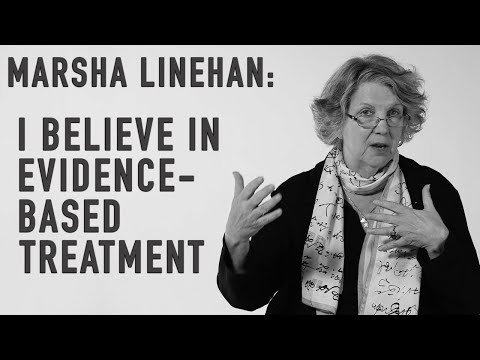
You know Marsha Linehan, right? If you’re into psychology or therapy at all, her name pops up a lot.
She’s like this powerhouse behind a whole approach called Dialectical Behavior Therapy (DBT). And trust me, it’s made waves.
So, what’s the deal with her influence? Well, imagine taking a bunch of complicated emotions and wrapping them up in a way that makes sense. That’s what she did.
In this deep dive—let’s call it that—we’ll chat about how she changed the game in mental health. The way people think about therapy today has her fingerprints all over it.
Seriously, whether you’ve heard of DBT or not, her story is wild and worth unpacking!
Exploring Marsha Linehan’s Contributions to Mental Health and Dialectical Behavior Therapy
Marsha Linehan is a name that pops up a lot in mental health circles, especially when we talk about Dialectical Behavior Therapy (DBT). This therapy has made a huge impact, particularly for people dealing with borderline personality disorder (BPD). Let’s break down what she’s all about and how her work changed the game in therapy.
First off, Linehan developed DBT in the late 1970s. She was working with patients who had BPD and realized traditional therapies weren’t cutting it. These folks often struggled with emotions that felt like rollercoaster rides—intense highs followed by crashing lows. That’s tough! So, she crafted DBT to help them learn skills to manage those feelings better.
DBT combines behavioral science with mindfulness, which is all about being present in the moment. You know when you’re really stressed and can’t shut your brain off? Mindfulness is like hitting pause on that chaos for just a minute. Linehan also included elements of cognitive-behavioral therapy (CBT), focusing on changing negative thinking patterns.
One of the coolest parts of DBT is its structure. It’s not just random talk therapy; it includes both individual therapy sessions and group skills training. In groups, people learn things like emotional regulation and distress tolerance, which are super handy when life gets overwhelming. It’s like having a toolbox for tough times—something everyone could use now and then!
Another significant contribution from Linehan is her emphasis on validation. She believed that understanding and accepting a person’s feelings can be incredibly powerful. For instance, if someone feels really anxious about an upcoming event, just saying “I get why you feel that way” can make all the difference. It helps people feel heard instead of judged or dismissed.
Let’s not forget about Linehan’s personal journey too. She openly discusses her own struggles with mental health issues, including having been diagnosed with BPD herself at one point. This gives her work an authentic touch—she knows what it feels like firsthand.
But it doesn’t stop there! The reach of DBT has gone beyond just treating BPD; it’s now used for other issues too, like substance abuse disorders and post-traumatic stress disorder (PTSD). Basically, her work helped create this versatile framework that therapists can adapt to various situations.
So yeah, Marsha Linehan’s contributions are kind of monumental in modern psychology and therapy realms. Thanks to her approach with DBT, countless individuals have gained tools to manage their emotions better, communicate effectively, and build healthier relationships overall.
In a nutshell, if you were to look at the landscape of mental health treatment today—you’d see her fingerprints everywhere! From therapy rooms to research papers—her influence continues to shape how we understand and treat complex emotional issues.
Overall? The world of mental health is definitely better off because of Marsha Linehan’s work.
Key Influences Shaping Modern Psychology: A Journey Through Historical Perspectives
Marsha Linehan is quite a name in the world of modern psychology. She’s like this rock star who changed the game, especially with her creation of Dialectical Behavior Therapy (DBT). Now, let’s take a stroll through how her work fits into the bigger picture of psychology.
First off, Linehan’s background is super interesting. Growing up in a time when mental health wasn’t really understood, she struggled herself with emotional issues and even suicidal thoughts. That personal experience shaped her approach to therapy. She realized that people needed something different—something more compassionate and practical in addressing their feelings.
When she developed DBT in the late 1980s, it wasn’t just a happy accident. The thing is, it was designed specifically for folks dealing with Borderline Personality Disorder, which was often misunderstood and overlooked back then. Linehan basically combined cognitive-behavioral techniques with mindfulness practices. So you’re getting this neat blend of understanding thoughts and feelings while being present in the moment.
Now let’s break down some key components that shaped her influence:
- Mindfulness: This part helps people tune into their thoughts and emotions without judgment. It’s like taking a step back to observe what’s going on inside you.
- Validation: Linehan emphasized understanding people’s feelings as real and valid, rather than dismissing them. It’s about saying, “Hey, I see you!”
- Behavioral Skills: DBT teaches practical skills to manage emotions and improve relationships. That’s so crucial for anyone facing intense emotional struggles.
But it doesn’t stop there! Her work sparked broader conversations about mental health treatment in general. Suddenly, therapists started looking at how emotional stability could be fostered through more holistic approaches rather than strict diagnoses alone.
And guess what? Linehan’s impact isn’t just limited to BPD anymore. People are using DBT techniques for all sorts of issues—like depression, anxiety, addiction—basically anywhere emotional regulation is key.
You can see how she’s influenced not just therapy but also the way we think about mental health as a society. Now people are starting to realize that therapy can be adaptable and sensitive instead of one-size-fits-all.
In short, Marsha Linehan shook things up by recognizing that emotions matter deeply in healing processes. Her work continues to inspire new generations of therapists who strive to create compassionate spaces for those struggling with mental health issues today! Isn’t it amazing how one person’s journey can influence so many others?
Exploring the Therapy Developed by Marsha Linehan: An Insight into Dialectical Behavior Therapy (DBT)
Dialectical Behavior Therapy, or DBT, is like finding a solid lifebuoy in the choppy seas of mental health struggles. Developed by Marsha Linehan in the 1980s, this therapy has made a massive impact on how we approach things like borderline personality disorder (BPD) and emotional dysregulation. It was her own experiences and challenges that shaped the foundation of DBT. When she was younger, Marsha faced significant mental health issues herself, which gave her a unique lens through which to understand what people go through.
So, what’s the deal with DBT? Well, it combines cognitive-behavioral techniques with mindfulness practices. You know how sometimes you just feel overwhelmed? Like everything’s crashing down on you? That’s where mindfulness comes in handy. It helps you stay present and aware of your feelings without getting swept away by them.
Here are some key elements that make DBT stand out:
Marsha Linehan believed that balancing acceptance and change is crucial in therapy—a dialectical approach, if you will! It’s not just about fixing problems but also accepting where you’re at emotionally while working towards change.
A common scenario might involve someone struggling with intense anger or sadness after a relationship ends. Through DBT, they could learn to identify their feelings (mindfulness), tolerate the pain instead of lashing out (distress tolerance), manage their emotions over time (emotional regulation), and communicate their needs effectively to friends or family (interpersonal effectiveness).
In practice, DBT often involves both individual therapy sessions and group skills training. The group setting allows individuals to practice these skills together—like having a supportive team cheering each other on during tough times.
Marsha’s influence has been profound, not just for those dealing with BPD but for anyone facing emotional challenges. Her work has opened doors for many therapists to explore empathy-driven practices in treatment settings everywhere, showing that we can navigate our struggles with greater awareness and skill.
In short, Dialectical Behavior Therapy isn’t just a random set of techniques; it’s crafted from deep understanding and compassion—that’s what makes it resonate with so many people today!
Marsha Linehan really changed the game, you know? Her work with Dialectical Behavior Therapy (DBT) has had a massive impact on how we think about and treat mental health conditions, especially borderline personality disorder (BPD). It’s like she took this complicated landscape of emotions and behaviors that seemed impossible to navigate and showed us a way through it.
I remember chatting with a friend who was struggling with intense emotions and relationship issues. She felt like her feelings were always too much to handle, almost like they had a life of their own. But after trying DBT, everything shifted for her. It taught her skills for managing those overwhelming moments—like mindfulness, distress tolerance, emotional regulation, and interpersonal effectiveness. Those techniques helped her take back some control when things got chaotic in her mind.
What really stands out about Linehan is her acknowledgment of the emotional pain people experience. Instead of just telling someone “snap out of it” or “that’s not real,” she got into the nitty-gritty of what it means to feel deeply hurt or lost. She combined acceptance with change—it’s like an emotional balancing act that makes you feel seen while also pushing you to grow.
Her story is pretty inspiring too. Linehan herself faced mental health struggles during her life. Can you imagine being in the thick of it and then going on to help so many others? That gives her methods a genuine authenticity that feels comforting, like talking to someone who gets it because they’ve been there.
The ripple effects of DBT stretch far beyond just BPD; therapists are using those principles across various settings now—eating disorders, PTSD, addiction issues—you name it! So when you think about Marsha Linehan’s influence, it’s clear she’s paved the way for a more compassionate approach in therapy today. It’s about meeting people where they are and helping them find their path forward instead of forcing them to fit some mold that doesn’t reflect their reality. That kind of mindset can be life-changing!