You know that thing where you feel totally stuck? Like, no way out, just hopeless?
Well, there’s this wild experiment from a long time ago that dives right into those feelings. It’s called Seligman’s Dog Experiment. Sounds strange, right? But the lessons it brings about mental health are pretty eye-opening.
Basically, it shows how we can get trapped in a cycle of defeat. Seriously, it’s eye-opening stuff that goes beyond just dogs. It speaks to us all on so many levels.
So let’s unpack what happened and see how this crazy experiment can help us understand our own mental struggles. You with me?
Understanding Seligman’s Study: The Key Insights on Learned Helplessness in Dogs
So, let’s talk about this fascinating stuff called **learned helplessness**, which really kicked off thanks to Martin Seligman’s experiments with dogs back in the 1960s. You may not realize it, but these studies have huge implications for how we understand mental health today.
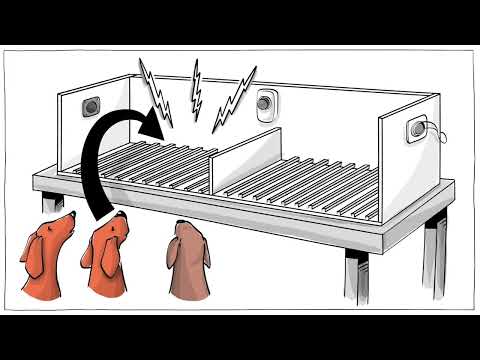
To break it down a bit, Seligman noticed something odd when he was studying dogs. He put them in a situation where they could be shocked and had no way to escape. This part probably sounds a little harsh (and it kinda is), but stick with me. What happened next was the real kicker: when these dogs were later given a chance to escape discomfort, they didn’t even try. They had learned that nothing they did would help them avoid pain. It’s like they just gave up.
This concept of not trying anymore, even when you have options, is what we call **learned helplessness**. Basically, those dogs felt trapped and powerless. And here’s where it gets deep – this idea can extend beyond dogs right into human behavior too.
Key insights from Seligman’s research include:
Now you might wonder how this looks in real life. Picture someone who faced a lot of failures at work or school; over time, if things kept going badly despite their efforts, they could feel like nothing will ever change for them – just like those poor pups.
Seligman didn’t stop at just observing this behavior; he also looked at ways to counter it. One method involves building resilience through positive psychology—the idea that we can teach people to recognize their skills and strengths rather than focusing on what went wrong all the time. Imagine telling yourself “I can do better” after failing instead of “I’ll never get it right.” That kind of shift can make all the difference.
In therapy or counseling settings today, understanding learned helplessness helps professionals support individuals who feel stuck or defeated by life’s challenges. They’ll often help clients recognize patterns in their thinking that contribute to feelings of hopelessness and guide them towards changing that narrative.
So why does all this matter? Well, being aware of learned helplessness helps not only those struggling with mental health issues but also anyone wanting to foster more resilience—not just physically but emotionally as well. In short, while those experiments were done ages ago on dogs, the lessons are super relevant now for people navigating life’s ups and downs every day. Remembering that effort and hope still count even when things seem rough is key!
Exploring Seligman’s Experiment: Insights into Depression and Learned Helplessness
When you think about depression, you might not immediately connect it to a dog experiment from the 1960s. But Seligman’s experiment actually sheds light on how we understand depression and a concept called learned helplessness.
So, here’s the scoop. In this famous study, psychologist Martin Seligman tested dogs in a pretty wild way. He divided them into groups. One group got shocked in a cage without any way to escape. The other group could jump over a partition to avoid the shock. What do you think happened? The dogs that had no control became passive and just gave up trying to escape even when they later had the chance!
This is where it gets super interesting. Seligman noticed that these dogs learned to be helpless—like they figured, “Why bother trying? It never works out.” This idea of learned helplessness is kind of like when you keep failing at something and start believing you’ll never succeed.
Now, let’s connect this to people dealing with depression. If someone feels like they have no control over their life or situation, it can lead to feelings of hopelessness and despair. You know how sometimes just getting out of bed feels like climbing a mountain? That’s that learned helplessness creeping in.
- Learned Helplessness: When repeated failures lead someone to stop trying.
- Depression Links: This feeling can mirror symptoms of depression—lack of motivation, energy slump, and hopelessness.
- Treatment Insights: Understanding this can help therapists find ways to encourage clients to regain control.
Seligman’s work didn’t just stop with dogs; he took it further into human psychology as well. He realized that restructuring thoughts could help people break free from that cycle of helplessness. Therapy techniques focused on building resilience started popping up because they helped people recognize their strengths and choices.
Like one time I was chatting with a friend who struggled with anxiety. She’d hit rock bottom after losing her job and felt completely out of control—kind of like those poor pups in cages! But once she started therapy focusing on small wins—like setting tiny goals every day—it shifted her mindset dramatically.
In a nutshell, Seligman’s canine experiment opened doors for understanding mental health better. By seeing how feelings of powerlessness can lead down a dark road, we also found pathways toward hope and recovery through therapy strategies aimed at empowerment.
So remember: if you’re feeling stuck or hopeless, reaching out for help can be the first step towards reclaiming your power!
The Fate of Dogs in the Learned Helplessness Experiment: Understanding Their Impact on Psychology
The whole “learned helplessness” thing started with a guy named Martin Seligman back in the late 1960s. He did some pretty intense experiments with dogs to understand how they respond to stressful situations. And, honestly, it’s a wild ride when you look at what happened.
So, here’s the deal: Seligman and his team had these dogs in cages, right? They’d hook them up to a system where they’d get mild shocks. Some dogs could escape the shocks by jumping over a barrier, but others had no way out. The ones that couldn’t escape started acting all lethargic and hopeless. They didn’t even try to dodge those shocks anymore, like they just gave up.
This is where it gets super interesting: when those same dogs were put into a new situation—like where they could jump to avoid the shock—they just lay there, not even bothering to move! It was as if they believed nothing they did would help them. This reaction is what we now call **learned helplessness**.
Now, let’s break down what this really means for us humans. It shows that if people experience continued failure or trauma without any feel of control, they might end up feeling helpless too. Like when you’re in a tough spot at work and keep getting shot down with ideas; eventually, you might stop trying altogether.
And this isn’t just theoretical stuff! We see it in different areas of mental health:
- Depression: People going through depression may feel stuck and believe there’s no way out.
- Anxiety Disorders: Sometimes anxiety results from feeling powerless in challenging situations.
- Trauma: Those who’ve faced trauma can feel like they’re trapped in their experiences.
Thinking about my friend Sam really brings this home. He went through a messy breakup and lost his job around the same time. For months, he felt like everything he tried was useless. At one point, he didn’t even apply for new jobs because he thought nothing would change anyway. That sense of learned helplessness can trap you!
So why does understanding this matter? Well, it sheds light on why therapy and support are crucial for people feeling hopeless or stuck in their lives. Knowing that someone can break free from those feelings—like Sam has been doing lately—is key to recovery.
In short, Seligman’s experiment with those poor pups opened our eyes to some heavy stuff about human psychology and well-being. If we recognize that feeling helpless can come from real experiences—even if they’re not directly related—it helps us find better ways to cope and support ourselves or our loved ones who might be struggling too.
So, let’s talk about Seligman’s dog experiment. You know, the one where they studied learned helplessness? It might sound a bit odd at first, but there are some real lessons in it for mental health that actually resonate.
In the experiment, they had these poor pups. They were placed in a situation where they’d receive mild shocks, but they could escape if they pressed a lever. Some dogs figured it out quickly—smart little guys! But others? They just gave up and laid there, even when the option to escape was available. It’s kind of heartbreaking when you think about it.
Now, what’s striking is how this relates to us humans. Sometimes we find ourselves stuck in tough situations—like dealing with anxiety or depression—and feel like there’s no way out. We might learn over time that trying to change things isn’t worth it because the effort seems futile. This “learned helplessness” can keep us feeling trapped in our mental struggles.
I remember chatting with a friend who went through a really rough patch after losing their job. They applied for countless positions but faced rejection after rejection. Instead of pushing through and trying different approaches, they started to believe nothing would ever change for them. I could see the light dimming in their eyes as hopelessness set in.
That’s something Seligman highlighted: when people (or dogs) lose hope, motivation goes down the drain. How can you fight back when you feel like you don’t have any control? Well, here comes the silver lining! The key takeaway is that we can learn resilience.
Therapies like cognitive-behavioral therapy (CBT) help people recognize these feelings of helplessness and provide tools to reframe negative thoughts. You start seeing possibilities instead of roadblocks—kind of flipping your perspective on everything! When you build small successes and gain control over little aspects of your life again, it gradually chips away at that sense of helplessness.
It’s all about retraining your brain and showing it that you *can* push through tough times. Life can be unpredictable and messy—you’re not alone if things seem overwhelming sometimes! But remember that there are ways to regain control and build hope again.
So yeah, Seligman’s findings remind us how important it is to stay connected with our feelings and seek help when we’re feeling overwhelmed or lost in our own lives. There’s always a way out; sometimes we just need a little nudge or support from friends or therapists to see it clearly!