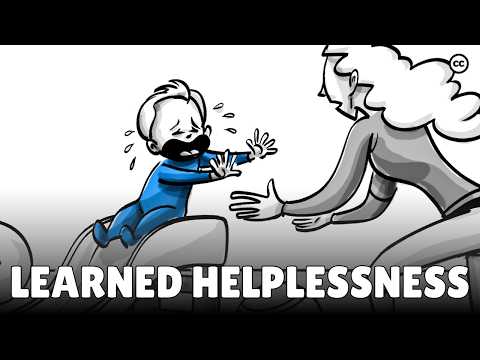
You know that feeling when life throws curveballs your way, and it’s like you just can’t catch a break?
Well, that’s kinda what psychologist Martin Seligman was getting at with his experiment on learned helplessness.
He stumbled onto something wild while working with dogs in the 1960s. Imagine this: he put them in a situation where they couldn’t escape.
Yeah, it sounds harsh, but what he found out is intriguing—it says something about how we react to stress and tough situations.
Ever felt like you’re just stuck in a rut? You’re not alone! Seligman’s work dives into why we sometimes feel powerless and how that affects us.
Let’s chat about this whole concept and see why it matters more than ever today.
Understanding Seligman’s Study on Learned Helplessness in Dogs: Key Insights and Implications
Understanding Seligman’s study on learned helplessness is like peeling back the layers of a really interesting onion. So let’s break it down.
What is Learned Helplessness?
It’s a psychological concept developed by Martin Seligman in the late 1960s. Basically, it refers to a condition where an individual feels unable to control or change a situation, leading them to stop trying even when they have the ability to help themselves. It all started with some experiments involving dogs.
The Experiment
In one of Seligman’s classic studies, he used three groups of dogs. Here’s how it went down:
- Group One: These dogs received mild electric shocks but could learn to escape by jumping over a barrier.
- Group Two: They also received shocks but had no way to escape.
- Group Three: This group was not shocked at all and faced no stressor.
Afterward, all the dogs were placed in a new situation where they could escape shocks by jumping over a barrier again. The results were surprising!
The Results
Dogs from Group One quickly jumped over the barrier to avoid the shocks. But Group Two? They just lay there, seemingly indifferent and unresponsive. This happened even though they now had an opportunity to escape! It was as if they’d given up hope that their efforts would make a difference.
It kind of reminds me of when you’re stuck in traffic for what feels like forever, right? You stop trying different routes because nothing seems to work.
The Insight
Seligman concluded that when individuals (or animals) believe they have no control over bad situations, they may stop trying altogether. This has implications for both mental health and learning processes in humans too.
- Mental Health: People who feel helpless may develop depression or anxiety.
- Learner’s Mindset: It shows how important resilience is—believing you can overcome challenges matters!
When someone experiences repeated failures or If something goes wrong too often—like failing math tests—they might just think «What’s the point?» and cut back on effort.
The Implications
This theory doesn’t just stay in the lab; it seeps into real life. Think about students who struggle with subjects like math or reading. If they keep failing without support, they might start feeling like nothing will change for them. That feeling can lead to even more disengagement from schoolwork or learning opportunities.
But here’s where hope comes into play! Recognizing learned helplessness helps us understand why some people might need extra support at home, school, or therapy.
By creating environments that foster success and support growth—like tutoring or encouraging positive self-talk—we can combat these feelings of helplessness. Everyone deserves encouragement when things get tough!
In short, Seligman’s study on learned helplessness opened doors for understanding human behavior far beyond those dog experiments. By grasping this concept better, we get insight into improving mental health support systems while also promoting resilience in everyday life!
Understanding the Learned Helplessness Experiment: Insights into Human Behavior and Mental Health
The concept of learned helplessness comes from some pretty groundbreaking experiments by psychologist Martin Seligman in the late 1960s. The studies he conducted with dogs opened up a whole new way to understand human behavior and how we deal with stress or adversity.
Seligman basically divided dogs into two groups. One group got the chance to escape from a mild electric shock by jumping over a barrier; the other group couldn’t escape at all. What was shocking, pun intended, was that when these dogs were later given the chance to escape, the ones that had been unable to escape before just lay down and took it. They didn’t try at all! This reaction—accepting pain or hardship because they believed they had no control—is what Seligman called “learned helplessness.”
Now, you might be thinking, “Why does this matter?” Well, it connects to how people can feel stuck in negative situations, whether it’s in relationships, work life, or even their own mental health. You know how sometimes when you keep failing at something—like trying to stick to a workout plan or studying for an exam—it can feel like you’re trapped? That’s learned helplessness creeping in!
Here are some key points about how this concept relates to mental health:
- Expectations of Failure: If someone has faced repeated failures, they may start believing they can’t succeed at anything. This mindset can lead directly to depression and anxiety.
- Behavioral Impact: People might stop trying altogether because they’ve learned from past experiences that their efforts won’t change the outcome.
- Cycle of Helplessness: Once you’re in this rut, it’s hard to break free. It becomes a vicious cycle of feeling hopeless and not trying.
Consider an example: imagine someone who applies for jobs but keeps getting rejected. Over time, they may stop applying altogether because they think it won’t make a difference anyway. It’s like they’re conditioned not to even try—we’ve all been there on some level.
Beyond individual effects, learned helplessness also has broader implications for society. Think about marginalized groups facing systemic barriers; these individuals often encounter repeated setbacks and discrimination. As a result, they might develop feelings of helplessness about their circumstances.
So what do we do about it? One way is through therapy approaches like Cognitive Behavioral Therapy (CBT). CBT helps challenge negative thought patterns and encourages people to see their ability to influence outcomes in their lives again.
To sum it up: Seligman’s learned helplessness experiment shows us just how powerful our expectations are on our actions and mental health. If you can acknowledge these patterns in yourself or others, you can take steps towards breaking free from that sense of helplessness—one task at a time!
Understanding Seligman’s Theory of Learning: Insights into Positive Psychology
So, let’s chat about Seligman’s theory of learning, especially the whole idea behind learned helplessness. This one’s super interesting because it digs deep into how we handle stress and obstacles in our lives, you know?
Martin Seligman is kinda like the godfather of positive psychology. He didn’t just come up with happy thoughts; he actually studied why some people thrive while others don’t. In his experiments with dogs back in the ’60s, he showcased something pretty wild: when dogs were exposed to uncontrollable shocks, they eventually stopped trying to escape even when they could. It was like they learned not to fight back, which is where we get “learned helplessness.”
When you think about it, this can hit home for people facing tough situations. Imagine someone who’s been through a rough patch—like losing a job or dealing with a breakup—might start to feel like nothing they do will change their situation. That’s pretty heavy stuff!
Now here’s where it gets cool: Seligman later shifted gears towards positive psychology. Instead of just focusing on what goes wrong, he wanted to know what makes life fulfilling and joyful. He believed that by focusing on strengths and positive experiences, we could flip that learned helplessness into something powerful.
Here are some key insights from his work:
- Optimism vs Pessimism: Seligman argued that an optimistic outlook can lead to better outcomes in life. People who see challenges as temporary and surmountable are more resilient.
- Strengths over Weaknesses: Instead of just addressing what’s wrong (like in traditional therapy), giving attention to personal strengths can boost confidence and overall happiness.
- The PERMA Model: This stands for Positive Emotion, Engagement, Relationships, Meaning, and Accomplishment—five essential elements that contribute to well-being.
It’s like what happens when you focus on the silver lining instead of just the storm clouds! For instance, someone who loses their job might take that as an opportunity to explore new career paths rather than feeling stuck.
So anyway, Seligman’s research not only sheds light on why people get trapped in cycles of helplessness but also offers tools for building a more fulfilling life through positivity and strength-building.
In short: knowing about learned helplessness helps us understand how negative experiences can shape our behavior—and then using insights from positive psychology gives us ways outta that rut!
You know, when we start diving into Martin Seligman’s work on learned helplessness, it’s hard not to feel a bit of a weight in your chest. I mean, he really tapped into something profound about how our experiences shape our understanding of control and agency.
So, picture this: Seligman conducted experiments with dogs in the late 1960s. He’d put them in these little cages and give them a chance to escape shocks by jumping over a barrier. The first group learned they could escape and basically lived their best dog life after that. But then there was this second group—poor pups who had no way out. They got zapped repeatedly and just… gave up trying to escape, even when opportunities presented themselves later on.
It’s kind of heartbreaking if you think about it. Those dogs were like kids trying to climb a tree but constantly falling down; eventually, they just stop trying altogether, right? You see this in people too—when life keeps throwing punches at you without a breather, it can feel like there’s no point in fighting back anymore.
This concept of feeling helpless can spill into our lives pretty easily. Imagine someone who’s faced constant setbacks—like struggling with mental health issues or navigating a tough job market. Over time, they might start believing they’re powerless, that nothing they do will make a difference. It’s such a heavy mindset to carry around.
But here’s where it gets interesting: understanding this dynamic opens doors for change! Therapies like cognitive-behavioral therapy (CBT) can help people challenge those limiting beliefs and realize they can take action and create change after all. It’s amazing how flipping that switch in your brain can set off ripples of resilience.
Anyway, what Seligman highlighted is super relevant today—we’re all dealing with our own versions of learned helplessness at times. Life is tough! Just remember that even when things get heavy and bleak, there’s always room for hope and growth if you’re willing to look for it.
So yeah, whether you’re battling inner demons or just feeling stuck in the daily grind, there’s always a way through if you keep pushing—or even just reach out for help when you need it!