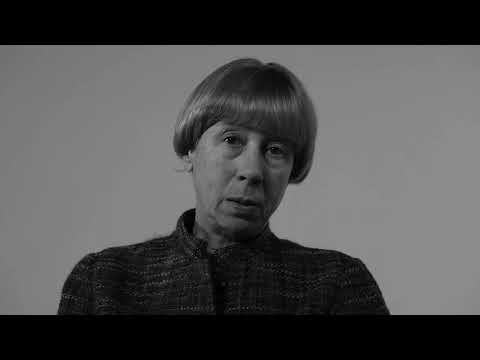
You know, sometimes a single person can change the whole vibe around something. Mary Zanarini is one of those people in the realm of mental health.
Like, she’s done so much for awareness and understanding, especially when it comes to borderline personality disorder (BPD). The thing is, BPD has kinda been misrepresented for ages. It’s often seen as this mysterious or scary label. But Mary? She’s worked hard to show there’s more to it.
Her research and advocacy have opened doors for many people who felt misunderstood. Seriously, just knowing that they aren’t alone can be a game changer.
So let’s dive into what makes her work so special! You’ll see why her efforts matter more than ever.
Understanding the Zanarini Rating Scale: A Comprehensive Guide to BPD Assessment
The Zanarini Rating Scale is like this useful tool in the mental health toolbox, especially for assessing Borderline Personality Disorder (BPD). Developed by Mary Zanarini and her team, it’s designed to help clinicians figure out how severe someone’s symptoms are. It’s grounded in years of clinical research, making it a solid choice for BPD assessment.
So, let’s break this thing down a bit. The scale has 11 items, each representing different symptoms related to BPD. These include emotional instability, interpersonal difficulties, and self-image issues. You see, it measures the intensity of these symptoms over the past week, which gives a snapshot of how someone is doing.
When someone is evaluated using this scale, they rate their experiences on a scale from 0 to 4. Here’s what that looks like:
- 0 = Not at all – No issues at all.
- 1 = Slightly – It’s there but not too bothersome.
- 2 = Moderately – It’s noticeable and causes some distress.
- 3 = Severely – Very hard to handle; it’s affecting daily life.
- 4 = Extremely – Absolutely overwhelming; might need urgent help.
In practice, let’s say you’re feeling really unstable emotionally; you might score high on that item. Or if relationships feel like a rollercoaster because of intense feelings and quick shifts from love to anger, well, that’ll be reflected in your score too.
Mary Zanarini’s work doesn’t just stop with creating the scale. She also focused on raising awareness about BPD. Many people still think it’s just «moodiness» or something trivial. By establishing tools like this rating scale, she highlighted how serious and complex BPD really is
Another key element of the Zanarini Rating Scale is that it helps track changes over time. By administering the scale regularly during therapy or treatment sessions, clinicians can see if there are improvements or worsening symptoms—and adjust treatment plans accordingly.
The use of this scale emphasizes that people with BPD aren’t alone in their struggles; they have valid experiences needing attention and understanding. So when using tools like this rating scale, there’s an implication of support and compassion woven throughout.
In short, the Zanarini Rating Scale offers a structured approach to understanding and assessing BPD symptoms through clear criteria based on personal experience over time. It plays an important role in both diagnosis and ongoing treatment monitoring—helping not just individuals but also professionals provide better care in managing BPD effectively!
Understanding BPD: Can Borderline Personality Disorder Truly Disappear?
So, let’s talk about Borderline Personality Disorder (BPD) for a minute, okay? It’s one of those mental health conditions that often gets misunderstood. People with BPD can experience intense emotions, have trouble with relationships, and sometimes struggle with self-image. It’s like riding a rollercoaster, but not the fun kind.
Now, here’s where it gets really interesting: can BPD truly disappear? The short answer is—it depends. Many folks think of mental health as something that either exists or doesn’t. But with BPD, it’s more nuanced than that.
First off, let’s talk about the symptoms. They can vary widely from person to person. Some might feel extreme anger or loneliness; others may have a hard time figuring out who they are or handle relationships without feeling abandoned.
So here comes Mary Zanarini, a real pioneer in understanding BPD. Her work has shed light on how people cope and how recovery is possible. She emphasizes that many people see improvements over time through therapy and support networks.
In fact, research shows that many individuals with BPD can experience significant decreases in symptoms within 5 to 10 years. So yeah, the diagnosis doesn’t have to stick forever! But it requires time and effort—kind of like building muscle at the gym.
Now let’s break down some points that highlight what happens in recovery:
- Therapy Works: Dialectical Behavior Therapy (DBT) has been particularly effective for many people with BPD. It teaches skills to manage emotions and improve relationships.
- Self-Compassion Matters: Learning to be kind to yourself is huge! Many people with BPD are their harshest critics.
- Support Systems Help: Having a supportive friend or family member can make a world of difference.
- Coping Skills Are Key: Developing tools to deal with stress and emotional upheaval can lead to better outcomes.
But you might wonder—what if someone still struggles after all these efforts? Well, it doesn’t mean they’re stuck forever! Sometimes those feelings resurface during stress or life changes.
It’s also essential to recognize that some people may identify more closely with having traits of BPD rather than the full-blown disorder itself over time. You know? Like they grow out of certain behaviors as they develop healthier habits.
And hey—you are not alone if you feel confused by this journey! Many individuals find themselves navigating ups and downs even post-recovery efforts.
In summary, while we can’t say that Borderline Personality Disorder will completely disappear for everyone, there is real hope for improvement and managing symptoms effectively over time—thanks largely to research from people like Mary Zanarini and countless therapists dedicated to helping others find their paths toward healing.
So remember: your journey is uniquely yours, but change is always possible!
Understanding Hyperbolic Personality: Traits, Impacts, and Insights
Understanding hyperbolic personality can be a bit tricky, but it’s definitely interesting. Basically, when we talk about this type of personality, we’re looking at people who often display **exaggerated emotions** and reactions. Think of someone who gets super excited about a new movie or absolutely devastated when their favorite snack is out of stock. It’s not just passion; it’s a whole level of intensity that can sometimes be overwhelming.
Mary Zanarini has made some significant contributions to mental health awareness, especially regarding personality disorders. Her research helps us understand how these traits function and impact the individuals and those around them. She emphasizes the importance of recognizing these traits to support better mental health outcomes.
So, what are the main characteristics you might see with hyperbolic personality? Here are a few key points:
- Intensity: Emotions are lived in extremes—everything feels like it’s either the best or the worst.
- Impulsivity: Decisions can be made quickly without thinking through consequences.
- Attention-seeking: These individuals may crave attention and validation from others.
- Dramatic behaviors: They might amplify stories or experiences to make them more engaging or impactful.
These traits can create challenges in everyday life. Imagine trying to have a calm conversation with someone who constantly reacts as if everything is a big deal. It can leave you feeling drained or confused, like you’re walking on eggshells.
And what about impacts? Well, relationships can suffer because people may struggle to communicate effectively. Friends might find it hard to connect if they feel their emotions aren’t being met with understanding. Work environments can also become tense when hyperbolic responses create unnecessary drama.
But there’s an upside too! People with these personality traits often bring **vitality** and energy into social settings. Their enthusiasm can inspire others, sparking creativity and fun! You know that one friend who always knows how to get the party started? That’s the power of having a hyperbolic personality in your crew.
To wrap things up, while understanding hyperbolic personality isn’t always straightforward, recognizing those key traits helps us approach situations with better empathy and awareness. With insights from researchers like Mary Zanarini, we get closer to supporting those facing challenges related to this personality style in more meaningful ways. So next time you encounter someone who’s highly expressive or reactive, remember: there’s usually more beneath the surface than what meets the eye!
Mary Zanarini has made some serious waves in the mental health world, and it’s hard not to appreciate what she’s done. I mean, her work around borderline personality disorder (BPD) is pretty groundbreaking. Most of us have probably heard of BPD, but only a handful really understand it. Think about it: how often do you hear someone say they’re «just a little moody»? But for those living with BPD, it’s a constant struggle that goes way beyond mood swings.
Zanarini’s research focuses on the experiences of individuals with BPD and finding effective treatments for them. She helped shed light on the intense emotional experiences that come with this disorder, revealing just how real and tough it is for those affected. I remember chatting with a friend who struggled with BPD – she described feeling like she’d never fit in anywhere, always battling feelings of emptiness and fear of abandonment. Hearing her story really hit home and made me realize how vital Zanarini’s contributions are.
What’s striking is how Zanarini emphasizes empathy and understanding. It’s not just about diagnostics or medications; it’s about seeing the person behind the symptoms. This perspective can change everything in therapy or just in our everyday interactions – showing compassion can create a bridge where misunderstanding once stood.
Plus, her involvement in training new professionals means that her impact will ripple outwards – shaping the next generation of mental health providers to be more aware and sensitive to their patients’ struggles. Imagine being treated by someone who gets it because they were trained with this understanding! That’s huge.
In all honesty, we owe folks like Mary Zanarini a lot for making conversations around mental health more open. She’s made us realize that even complex conditions can be discussed without stigma, encouraging everyone to speak up about their experiences without shame. After all, isn’t that what we all want? A little understanding goes a long way when you’re navigating life’s tough moments, especially if you’re dealing with something like BPD.