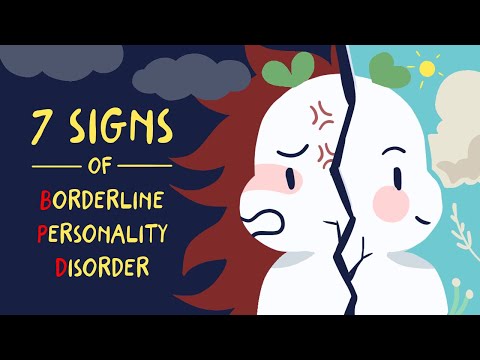
You know, dealing with emotional pain is tough. It’s like trying to walk around in a snowstorm when everyone else seems to be chilling in the sun.
For folks with Borderline Personality Disorder, or BPD, it’s an everyday struggle. They often wear a mask, pretending everything’s fine when inside, it feels like a whirlwind of feelings.
Ever felt the pressure to smile when all you wanna do is cry? Yeah, that’s what it’s like for many living with BPD. It’s exhausting keeping up appearances while battling those hidden storms.
Let’s dig a little deeper into this whole masking thing. You might just find a part of your own story reflected back at you.
Understanding the Role of a ‘Favorite Person’ in Borderline Personality Disorder
Borderline Personality Disorder (BPD) can feel like a rollercoaster of emotions, and one part of that ride is the concept of a «favorite person.» So, let’s break this down.
People with BPD often experience intense emotions and relationships. A “favorite person” is someone they become particularly attached to—almost like a lifeline in their stormy sea of feelings. This person can provide comfort, validation, and stability, but it also comes with some complications.
One way to understand this is through the lens of **emotional regulation**. You know how when you’re feeling all over the place, sometimes just talking to a certain friend can help? That’s what happens here too. The favorite person helps soothe those overwhelming feelings.
But here’s where it gets tricky. The attachment can be pretty intense. If the favorite person doesn’t respond in a certain way or – heaven forbid – isn’t available, it can trigger feelings of abandonment or despair.
So what does that look like? Well, imagine you have someone you lean on during rough times—a real rock for you. Then one day, they don’t pick up your call. Suddenly, it feels like your whole world is crashing down.
Now, when someone with BPD has a favorite person, there might be some patterns that emerge:
- Idealization: They may see this person as perfect at first.
- Doubt: But if something goes wrong—even something minor—they might swing to thinking that person is terrible.
- Panic: If there’s any sign of distancing from that favorite person, it could lead to frantic efforts to regain their attention.
This back-and-forth dance can be exhausting—not just for the one with BPD but also for their favorite person! Many times, these individuals might also feel an enormous pressure because they’re often put on a pedestal. It’s kind of like being both cherished and trapped at the same time.
Let’s talk about **masking**—that thing where someone hides their struggles behind a “normal” facade. Many people with BPD will try to mask their emotional pain by putting on a brave face around others but rely heavily on their favorite person for support when they’re struggling internally.
This dynamic can create an illusion that everything’s fine until suddenly it’s not. For instance, in social situations where everything seems okay on the outside but inside they’re feeling anxious or sad—like acting perfectly cool at parties while internally screaming for help.
So what should we take away from all this? Understanding the role of a favorite person in BPD means seeing both sides; on one hand, it’s about connection and support but on the other hand—it can lead to heartbreak and turmoil if those expectations aren’t met.
Being open about these dynamics can really help! If you’re close to someone navigating this terrain—or if you’re going through it yourself—having clear conversations about boundaries and needs is crucial. Communication helps build trust and understanding so that both parties don’t get lost in each other’s emotional tides.
In essence, while having a favorite person can provide comfort in an emotional storm for someone with BPD, it’s essential to recognize how complicated those relationships can become—and how important understanding is in navigating them together.
Living Alone with BPD: Pros, Cons, and Considerations for Mental Health
Living alone with Borderline Personality Disorder (BPD) can be a mixed bag, you know? It has its perks and its downsides. First up, let’s break down some of the pros of this situation.
- Independence and Control: Being solo can feel liberating. You call the shots about your space, your schedule, and what you want to do without anyone else’s influence. This control can help you manage feelings of chaos.
- Space for Self-Reflection: Alone time allows for deeper introspection. You can dig into your thoughts and emotions without interruptions, which is super important for understanding yourself better.
- Simpler Living Arrangements: When it’s just you, no need to compromise on things like cleaning habits or decor choices. This might help reduce anxiety about judgment from others.
But hold up—there are also some cons worth considering.
- Feelings of Isolation: BPD often comes with intense emotions. Living alone may amplify feelings of loneliness or abandonment. You might feel cut off when things get tough.
- Difficulties in Managing Emotions: Without someone around to support you, those overwhelming feelings can be really tough to handle solo. It’s like having a storm inside your head with no one to help calm it down.
- No Immediate Support System: If crises hit, being alone means you have no one there in that moment who gets what you’re going through. Having friends or family close by can make a huge difference when things spiral out of control.
Now, mixing that all together means it’s crucial to think about some important considerations for mental health.
- Coping Strategies: Learn healthy ways to cope with emotional pain. Journaling or practicing mindfulness can help filter out those chaotic thoughts when the feelings overwhelm you.
- Emergency Plans: Create a plan for those tough moments—who will you call? What activities soothe you? Knowing what to do ahead of time helps when anxiety hits hard.
- Scheduling Social Time: Make an effort to stay connected with friends and family. Even if you love being alone, setting aside regular hangouts keeps that loneliness at bay.
Let’s say you’re having a rough week; at times like that, reaching out becomes super important. I remember talking to someone who dealt with similar emotions while living solo—it was challenging for them not having someone nearby during tough times.
Ultimately, whether living alone feels right or not comes down to personal preference and how well you’re managing your BPD symptoms day-to-day. Knowing yourself is key! Surrounding yourself with supportive people—even from afar—makes all the difference when navigating this journey.
Understanding BPD Detachment: How It Affects Relationships and What You Can Do
Sure! So when we talk about BPD or Borderline Personality Disorder, one of the major things that come up is this feeling of detachment. It’s like being on a rollercoaster. On one ride, you might feel super connected; on another, you’re just floating away, feeling numb or alone. Let’s break it down.
First off, detachment can happen for a bunch of reasons. You might feel overwhelmed by emotions and just check out for a bit. It’s kind of like putting your phone on airplane mode—there’s so much happening around you that tuning it all out feels better at that moment.
Now, how does this affect relationships? Well, when you’re in a relationship with someone who has BPD and experiences detachment, it can be really tough. Imagine being close to someone one minute and then feeling like they’re a million miles away the next. It can leave partners confused and hurt. They might wonder if they did something wrong or if they’re not important anymore.
Here are some ways detachment can play out in relationships:
- Emotional Distance: You might pull back during fights or even intense moments of joy.
- Fear of Abandonment: This often causes people with BPD to push others away before they get hurt.
- Mood Swings: One day everything feels great; the next day, it’s like a fog rolls in.
So what can you do if you’re dealing with this? Here are some helpful things:
- Communicate Openly: Talk to your partner about how you feel during those detached moments without judgment.
- Set Boundaries: Know when it’s best to give each other space versus when to connect deeply.
- Pursue Therapy: Individual therapy helps work through feelings while couples therapy may help both partners understand each other better.
Here’s an example: Picture yourself sitting across from someone who just seems… gone during dinner. You ask them what’s wrong, and their response is distant or nonchalant. That moment feels frustrating because they’re physically there but emotionally checked out. These situations can pile up over time.
In relationships affected by BPD detachment, emotional pain isn’t just yours; it impacts everyone involved. But breaking the cycle takes effort from both sides—like being willing to stay present even when feelings get overwhelming.
In summary, understanding detachment in BPD is crucial for healthier connections with yourself and others. Remember that finding ways to connect amid emotional chaos is possible!
You know, it’s kind of wild how some people can seem totally fine on the outside but are really battling a storm inside. Like, if you ever met someone with Borderline Personality Disorder (BPD), they might come off as charming and witty, but they could be dealing with some serious emotional pain that they’d never let you see.
I remember a friend of mine who always seemed the life of the party. I mean, she was funny, adventurous, and made everyone laugh. But behind that smile was something else—she struggled with BPD and often felt like she was on an emotional rollercoaster. One moment she’d be ecstatic about hanging out, and the next she’d be in tears over something that seemed small to others. It broke my heart to watch her put on this mask all the time.
Masking is this coping strategy where folks hide their true feelings or pretend to be okay when they’re really not. For someone with BPD, it can feel like a survival tactic. Like if they show their real emotions—those intense feelings that swing from joy to despair—they fear being rejected or misunderstood. Honestly, it’s exhausting to keep up appearances like that!
Imagine walking through life feeling everything so deeply while trying not to let anyone see it because you’re terrified they’ll judge you or think you’re “too much.” That’s a heavy load to carry. Sometimes it feels safer just to blend in and not rock the boat—even if it means burying your real self under layers of false cheeriness.
But here’s the thing: masking doesn’t mean those emotions go away; they just get bottled up until they explode or leak out in unhealthy ways. It’s like shaking a soda can for too long—eventually, that pressure has to go somewhere! My friend would have moments where she’d snap at people over little things because she’d been holding so much inside for so long.
It’s crucial for us to talk about this struggle more openly; mental health conversations have come a long way but there are still stigmas around BPD that make it harder for people to seek help or even share what they’re going through. Everyone deserves space to be vulnerable without having to wear a mask.
If you’re out there dealing with this kind of pain—remember you’re not alone. And for those of us watching our friends struggle silently? Let’s offer our understanding and compassion instead of judgment because sometimes all someone needs is just someone who gets it—even when they don’t show their true colors all the time.