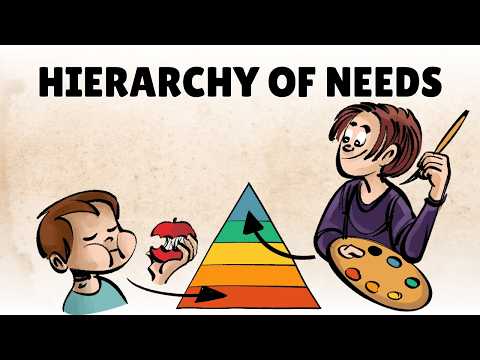
You know that feeling when you’re just trying to figure out life? Like, what do you really need to feel okay? It can be a bit overwhelming, right?
Well, there’s this cool framework called Maslow’s Hierarchy. Seriously, it’s like a roadmap for mental well-being.
Imagine starting at the bottom with just the basics—food and shelter. Then, as you move up, you hit stuff like love, belonging, and self-actualization. It all connects, and it makes so much sense!
Navigating through those layers can actually help you understand yourself better. So let’s break it down together and see how you can use it to boost your mental health!
Understanding Maslow’s Hierarchy of Wellbeing: A Guide to Personal Growth and Mental Health
So, let’s talk about **Maslow’s Hierarchy of Needs**. It’s this cool psychological theory proposed by Abraham Maslow back in the 1940s. Basically, it lays out a path to personal growth and mental well-being. You might have seen that famous pyramid, right? Well, each layer represents different needs we all have. If you fulfill the lower needs, it opens up the way for the higher ones.
The first and most basic layer is physiological needs. Think food, water, shelter—stuff you really can’t live without. Imagine being super hungry or cold; it’s hard to focus on anything else if your body is in survival mode.
Next up is safety needs. This isn’t just about physical safety but also financial security and health stability. Picture yourself feeling anxious about losing your job or scared in an unsafe neighborhood—you can’t really thrive when you’re always looking over your shoulder.
After that comes love and belongingness needs. We all want to feel connected! Whether it’s friendships or romantic partnerships, having strong social ties plays a huge role in how we feel mentally. It’s like when you’ve had a rough day and just need a friend to talk to over coffee.
Then there’s esteem needs. Everyone wants to feel respected and valued! This could mean achieving your goals or gaining recognition from others. For example, getting that promotion at work can boost your self-esteem big time—or even just being appreciated for who you are by friends and family can do wonders.
Finally, at the top of the pyramid is self-actualization needs. This is where you get to be your true self—living authentically and fulfilling your potential. It could be pursuing passions like art or finding ways to help others. Maybe you’ve always wanted to start a blog but felt too insecure? Achieving this level means you’re ready to embrace what feels right for you!
You might wonder how this all ties into mental health. Well, basically if one of those foundational layers is shaky, it’s tough to feel truly happy or fulfilled on those upper tiers. Let’s say someone struggling with safety—maybe due to financial stress—might find it really challenging to focus on building friendships or working toward their dreams.
And here’s where **personal growth** comes into play! By understanding where you are on this pyramid, you can better identify what areas need attention in your life. You may notice that tackling some basic aspects like establishing a routine can help clear away mental clutter before moving onto building relationships or chasing dreams.
So remember: no matter where you’re at in this hierarchy, that’s totally okay! Growth isn’t linear; it’ll have its ups and downs. Just keep pushing forward one step at a time—it all counts towards better mental health and well-being!
Understanding Maslow’s Hierarchy: The 5 Essential Stages of Human Needs Explained
Understanding Maslow’s Hierarchy can really shine a light on what drives us as human beings. So, let’s break it down into those five essential stages. This whole idea, created by Abraham Maslow in the 1940s, is like a roadmap to mental well-being. You know? It shows how certain needs have to be met before we can focus on higher-level stuff.
1. Physiological Needs
At the base, we find our physiological needs. These are basically the essentials for survival: food, water, sleep, and shelter. Think about it—when you’re hungry or tired, it’s hard to think about anything else! Imagine trying to work or study while your stomach is grumbling like a beast; it’s just not going to happen.
2. Safety Needs
Once our basic needs are met, we move up to safety needs. This covers emotional and physical safety—like feeling secure in your home or job. If you’ve ever felt anxious living in an unsafe neighborhood or stressed about job security, you know how crucial this stage is for your peace of mind and mental health.
3. Love and Belongingness Needs
Next up is love and belongingness needs. Humans are social creatures—we thrive on connection! This stage involves friendships, family ties, and romantic relationships. If you’ve ever felt lonely or been snubbed at a gathering—all those feelings of isolation? That’s your need for belonging being unmet.
4. Esteem Needs
Now we climb higher to esteem needs—the desire for respect and recognition from others as well as self-respect. We want to feel good about ourselves! Whether it’s getting that promotion at work or just being acknowledged by friends for something you did well—those little boosts mean a lot!
5. Self-Actualization Needs
Finally comes self-actualization—that’s all about realizing your potential and pursuing personal growth. It’s basically the dreams that keep you awake at night (in a good way!). Maybe you want to write a book or start painting again? That drive comes from this stage of the hierarchy.
In short, Maslow’s Hierarchy offers insight into why we feel certain ways at different times in life. You might notice that if one level isn’t satisfied—like if you’re struggling with relationships—it can totally affect your ability to grow personally or even enjoy life fully. When these levels stack up neatly? That’s when you’re truly on the path toward mental well-being! Mental health isn’t just about dealing with problems; it’s also about fulfilling these core human needs so you can thrive!
Exploring the Role of Maslow’s Hierarchy of Needs in Therapeutic Practices
Maslow’s Hierarchy of Needs is one of those models that just makes you think, right? The idea is that people have different levels of needs, and you gotta meet the lower-level ones before you can really focus on the higher ones. Picture a pyramid with five layers. At the bottom are basic needs, like food and safety, and at the top, you’ve got self-actualization—where you reach your full potential.
In therapy, this concept can guide how we approach mental health. If someone’s struggling with anxiety or depression, it might be tough for them to work on personal growth when their basic needs aren’t met. Like, if you’re hungry or worried about your job security, how can you even think about becoming your best self? Seriously.
Basic Needs: At the foundation are physiological needs. It’s about necessities like food, shelter, and sleep. Imagine you’re sitting in therapy feeling completely drained because you haven’t eaten properly or slept well in days. A therapist would likely want to start by addressing those basic needs before diving into deeper emotional work.
Once those are taken care of, we move up to Safety Needs. This includes physical safety but also emotional stability—think secure relationships and a stable environment. If clients don’t feel safe in their homes or communities, talking about their feelings might not do much good. They need that secure base first!
Then come Love and Belonging Needs. Everyone wants to be loved and accepted! Often in therapy, discussions around relationships come up pretty quickly. When people feel isolated or disconnected from others, it can lead to all sorts of emotional struggles. So working on building social connections or repairing relationships is key here.
Once you’ve got some solid connections going on, we hop up to Esteem Needs. This is all about feeling valued and recognized for who you are. If someone struggles with low self-esteem due to past trauma or failures—it’s hard for them to see their worth! Therapy often helps people develop self-compassion and highlights personal achievements so they can build confidence.
Finally! We hit the top tier: Self-Actualization. This is where things get exciting! Here’s where clients explore their passions and dreams—what they really want out of life beyond survival and stability. Therapists encourage clients to set goals that align with who they truly are at their core—it’s like reaching for the stars!
However—and here’s a crucial point—this pyramid isn’t rigid; it’s more fluid than it looks maybe people cycle back down as new challenges arise in life. Say someone works hard to achieve their goals but then loses a job—they might need to revisit earlier levels again before pushing forward.
In practice, therapists often check in on client needs throughout sessions—like asking questions related to each level of Maslow’s pyramid—to see where support is needed most at any given time.
So yeah! Maslow’s Hierarchy gives us a handy framework not just for understanding human motivation but also for delivering effective therapeutic interventions that align with what individuals need most at key moments in their lives.
Okay, let’s chat about this thing called Maslow’s Hierarchy. You may have heard of it; it’s like this pyramid that lays out human needs from basic stuff all the way to self-actualization. So, at the bottom, you’ve got your physiological needs—like food, water, and shelter. Then, as you go up, you hit safety needs: think security and stability. After that come love and belonging—yep, relationships matter big time.
Now here’s the kicker: at the very top of that pyramid is self-actualization. That’s where we find our true potential and really get in touch with who we are meant to be. But getting there isn’t just a straight shot; it’s more like a hike up a rocky mountain trail.
I once knew someone who was totally struggling with anxiety. They had their basic needs down—like they always had food on the table—but they were drowning in social media comparisons and feelings of inadequacy. So what did they do? They focused on building connections with friends and family first. Slowly but surely, as they felt more connected, their anxiety started to ease up.
It’s wild how much our emotional stuff can tie back to those foundational levels of need! When you’re lacking in love or feeling unsafe in your environment, it’s hard to even think about reaching for your dreams or finding that inner peace.
So when we talk about mental well-being through Maslow’s lens, it really shows how interconnected everything is. The moment we feel secure and loved? That opens doors to exploring our passions and pursuing that version of ourselves we’ve always wanted to be.
Imagine climbing that pyramid bit by bit—the joy of looking back at how far you’ve come! It all starts with taking care of yourself on those fundamental levels before you can truly blossom into who you’re meant to be. Seriously powerful stuff!