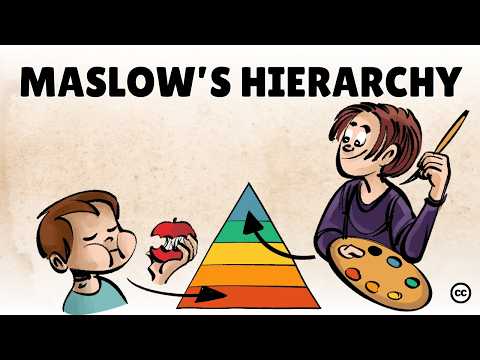
You ever hear about Maslow’s hierarchy of needs? It’s like this cool pyramid thing that shows what we need as humans, right?
Bottom line is, we’ve got basic stuff—like food and shelter—then it builds up to things like love and self-esteem. Crazy how all that plays into our mental health!
Think about it: when those basic needs aren’t met, everything else gets thrown off. You can’t really be your best self if you’re worried about where your next meal’s coming from.
So, let’s chat about this whole theory and why it still totally matters today. You know? Like, how does it shape our understanding of mental wellness in this wild world we live in?
Exploring the Relevance of Maslow’s Hierarchy of Needs in Today’s Mental Health Landscape
When you think about mental health, it’s super interesting to look at Maslow’s Hierarchy of Needs. This was developed by Abraham Maslow in the 1940s, and it’s all about how our basic needs shape our feelings and behaviors. So, what’s it all mean? Well, basically, it suggests that before we can focus on higher-level needs like self-actualization or personal growth, we’ve gotta take care of more fundamental stuff first.
Let’s break it down into levels. At the base of the pyramid are physiological needs. Think food, water, shelter—basic survival stuff. If you’re struggling to make ends meet or find safe housing, that’s gonna weigh heavily on your mental health. Imagine feeling stressed about where your next meal is coming from while trying to explore your passions! It’s almost impossible.
Next up are safety needs. This includes physical safety and emotional security. If you’re dealing with an unsafe environment or chronic anxiety about things like job stability or health crises—well, it can feel overwhelming. You follow me? Feeling unsafe doesn’t allow for much mental peace or space for growth.
After that come social connections, which bring us to love and belonging. Relationships matter a ton when we’re talking about mental well-being. Isolation can compound issues like depression and anxiety. You might have everything else sorted out in life but still feel lost if you lack close friends or community support. Ever felt lonely in a crowded room? That’s the vibe!
Then there’s esteem, which is all about self-esteem and being recognized by others. When people don’t get validation—whether that’s from work achievements or personal relationships—it can really drag them down emotionally. Imagine feeling overlooked at your job; it’s hard not to start doubting your worth.
Finally, we have self-actualization, where you get to become the best version of yourself—your dreams and potentials realized! It sounds beautiful but can feel really far away if you’re stuck at earlier levels of the pyramid. Like if you’re constantly battling anxiety because of unmet basic needs, reaching that level feels like trying to climb Everest bare-footed!
So looking at Maslow today… a lot of folks are grappling with these foundational issues more than ever before. The pandemic shook things up quite a bit, didn’t it? Many people found themselves struggling with their basic needs while also dealing with isolation and uncertainty—a real mess!
Finally, in therapy settings nowadays, understanding this hierarchy helps professionals identify where a person’s struggles lie in relation to their broader mental health issues. If someone isn’t feeling secure in their basic needs? That’ll definitely affect how they respond to therapy or coping strategies.
In short, Maslow’s theory still matters today because it gives us this handy framework for understanding how our physical experiences relate to our emotional states. It shows that we’re not just dealing with problems on one level; it’s all interconnected! You’ve gotta deal with those lower levels before climbing up toward self-fulfillment—and if those foundations are shaky? Well then, that mountain just keeps getting steeper!
Understanding Maslow’s Hierarchy of Needs: Its Relevance in Today’s Mental Health Landscape
Maslow’s Hierarchy of Needs is one of those concepts that, honestly, everyone seems to reference but few fully understand. It’s like the foundation of human motivation—at least according to psychologist Abraham Maslow. The idea is that we have certain needs, and until those needs are met, we can’t really move up the ladder to higher goals. It’s a bit like a game; you can’t unlock advanced levels until you’ve completed the basics.
So, let’s break it down. Imagine a pyramid divided into five levels:
1. Physiological Needs: This is at the base and includes our most basic survival needs—things like food, water, and sleep. If you’re starving or exhausted, it’s nearly impossible to focus on anything else.
2. Safety Needs: Once you’ve got food and shelter sorted out, safety comes next. This includes physical safety (like not living in a violent area) and emotional security (like having stable relationships). You can’t really think about thriving if you’re busy thinking about surviving.
3. Love and Belongingness: Here’s where it gets more personal. We crave connection with others—friends, family, partners. Loneliness can seriously mess with your mental health; that sense of belonging is crucial for well-being.
4. Esteem Needs: After you’ve built connections, you’ll be looking for self-esteem and respect from others. This means feeling good about yourself and receiving validation from your achievements or role within your community.
5. Self-Actualization: This is the pinnacle of Maslow’s pyramid—the desire to become the most that one can be. It’s about pursuing personal growth and fulfilling potential. You know that feeling when you’re doing something you’re passionate about? That’s self-actualization!
Now let’s talk relevance in today’s mental health landscape! These days—especially after everything we’ve been through with the pandemic—understanding these layers has never been more important.
For example:
It all connects! To heal mentally and emotionally today means tackling issues at all levels of this hierarchy—not just thinking “Oh I need therapy.” You might actually need secure housing first!
In short? Maslow’s Hierarchy still holds weight today because it reminds us that mental health isn’t just about feelings; it’s also tied up in our **fundamental human experiences**! Without meeting those basic needs first—and yeah I mean REALLY meeting them—it’s tough for anyone to thrive emotionally or mentally.
So when you hear people talk about self-care or mental wellness nowdays? Remember this pyramid! It’s fundamentally intertwined with how we approach our own well-being today.
Exploring Maslow’s Impact: Key Contributions to Modern Psychology
Maslow’s got a pretty significant spot in the world of psychology. You know, he’s the guy behind that famous pyramid—the Hierarchy of Needs. This concept really flipped the script on how we understand human motivation and mental health.
So, what’s this pyramid all about? It starts with **basic needs** at the bottom: food, water, shelter. Once these are met, you move up to *safety needs*, which include security and stability. Next up are *love and belonging*, where relationships and connections come into play. Then you’ve got *esteem needs*, like self-esteem and recognition from others. At the very top is *self-actualization*, which is all about reaching your fullest potential.
One major impact of Maslow’s work is how it shifted focus from just fixing what’s broken to fostering growth and well-being. Instead of seeing mental health as merely the absence of illness, his theory invites us to think about thriving in life. It’s a more holistic approach!
Maslow’s contributions didn’t stop at theory. He emphasized that understanding individuals requires looking at their unique experiences and values—something that therapists today really embrace. This personalization helps create effective treatment plans that cater to your specific needs.
Another important piece? Maslow believed in the significance of self-actualization for mental well-being. When you’re pursuing your passions and striving for personal growth, you’re likely to feel more fulfilled. In a way, it puts responsibility on you to seek what brings joy or meaning into your life.
His ideas also paved the way for humanistic psychology—a movement that focuses on personal growth and self-awareness over pathology. This has led to diverse therapeutic approaches, including client-centered therapy where therapists actively engage with you as a partner in your healing journey.
In modern psychology, Maslow’s principles can be seen everywhere—like in workplace environments promoting employee well-being or even in education systems addressing students’ emotional needs alongside academics. By recognizing that we all have these layers of needs, professionals can create environments where people feel safer and more supported.
But let’s talk real-world applications too! Have you ever noticed how some workplaces focus on building strong team dynamics? They’ve taken cues from Maslow’s ideas about belongingness and esteem to enhance employee satisfaction. Happy workers lead to productive teams—it’s that simple!
So yeah, in a nutshell, Maslow hasn’t just shaped psychology; he’s influenced how we approach mental health today by reminding us all that human experience is multi-faceted. And by addressing these layers effectively—from basic survival all the way up through love and fulfillment—you’re setting yourself up for a much healthier state of mind overall!
So, you know Maslow? The guy with the pyramid? He came up with this theory that breaks down human needs into a hierarchy. At the bottom, you’ve got your basic stuff—like food, water, and safety. Then it builds up to things like love and belonging, and finally self-actualization at the top. It’s kind of a big deal when we talk about mental health.
Honestly, I remember sitting in class and thinking about how relevant that pyramid is today. Like, have you ever felt like you were struggling to get your life together because of money worries or not having a safe space? It totally makes sense now. Without feeling secure or connected to others, it’s really hard to focus on anything else.
Imagine someone who’s battling anxiety or depression. They might be stuck at that basic level, just trying to find a way to feel safe or secure before they can even think about making meaningful connections or chasing their dreams. It’s wild how those foundational needs can shape our overall mental health.
And then there’s self-actualization—the fancy term for reaching your full potential. In today’s world where social media is everywhere and everyone seems to be “living their best life,” it can feel like a major uphill battle for some people. But if we take a cue from Maslow’s ideas, we might start recognizing that it’s okay not to be at the top of that pyramid all the time. Life is messy; sometimes we’re just trying to hold things together.
What I find comforting is knowing that focusing on those foundational needs—like finding community or seeking help when feeling overwhelmed—can lead us toward better mental health outcomes. It’s like if everyone took a moment to check in on their basic needs before wanting to shine bright in all their glory; we’d probably see more people thriving instead of just surviving.
In a way, Maslow’s theory reminds us that addressing our mental health isn’t just about toughing it out or pushing through—it also involves understanding where we’re at in our own lives and what steps we need to take next. So yeah, let’s break down those barriers together, one step at a time!