You know that feeling when you’re just trying to figure your life out? It can be kind of overwhelming, right? Like, what’s the deal with all these needs and wants swirling around in your head?
Well, that’s where Maslow’s Hierarchy comes in. It’s like this cool roadmap for understanding what drives us. Seriously, it breaks down our motivations in a way that makes sense.
From basic stuff like food and safety to deeper things, like self-esteem and belonging—it’s all there! And yeah, it plays a big role in mental health.
So let’s chat about how this hierarchy can really help you get your head straight and feel satisfied with life—one step at a time!
Downloadable PDF Guide to Maslow’s Hierarchy of Needs: Understanding Human Motivation and Mental Health
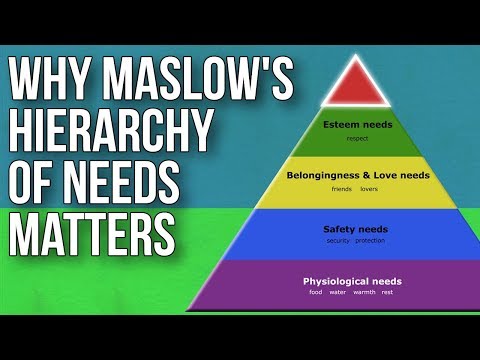
When we talk about Maslow’s Hierarchy of Needs, we’re diving into something really key for understanding what drives us as humans. It’s this neat little pyramid that lays out our basic needs and how they connect to motivation and mental health.
At the base, you’ve got the most essential needs—like food, water, and shelter. Without these, it’s super tough to think about anything else. Imagine you’re starving or freezing; your brain’s not exactly going to be focused on self-actualization or personal growth. You feel me?
Moving up the pyramid, we find safety needs. This includes physical safety and emotional security. If you don’t feel safe in your environment—like at home or work—that can really mess with your mental health. Stress accumulates, anxiety builds, and it becomes hard to function day-to-day.
Next comes love and belonging. We all crave connection, right? Friends, family, those close relationships are vital for our well-being. Without them, feelings of loneliness can creep in—and when that happens? It often leads to depression or other mental health challenges.
Then we hit esteem needs: that’s all about feeling respected and valued both by ourselves and others. Think about how fulfilling it is when someone acknowledges your hard work! But when you don’t get that recognition? Self-doubt can take over, dragging down your confidence and mental wellness.
Finally, at the very top of this pyramid is self-actualization. This is where we reach our full potential—creativity flows, passions ignite! It’s about being who you really want to be. However, if the lower levels aren’t met first? Good luck getting there!
What’s great is that understanding this hierarchy can help us figure out where we might be stuck sometimes in our own lives or even in therapy settings. A therapist might ask questions like: “How are your basic needs being met?” That helps pinpoint where you might need some support.
Here are a few key points to remember:
- Basic Needs Matter: If you’re struggling with food or shelter, it’s hard to think about anything else.
- Safety is Crucial: Without feeling safe physically or emotionally, stress will overshadow everything.
- Connection Counts: Building strong relationships boosts mental health significantly.
- Esteem Fuels Us: Recognition from peers not only lifts spirits but reinforces self-worth.
- Self-Actualization Brings Joy: Engaging in activities that fulfill us leads to greater life satisfaction.
Understanding Maslow’s model isn’t just an academic exercise; it’s a practical framework for navigating life and improving mental health outcomes too!
Exploring the Updated Version of Maslow’s Hierarchy of Needs: A Modern Approach to Understanding Human Motivation
Maslow’s Hierarchy of Needs is something you’ve probably heard of, right? It’s this classic framework that tries to explain the different levels of human motivation. Originally, it was like a pyramid with five main levels, but now, folks are giving it a fresh twist to make it more relevant to our modern lives.
So, let’s break this down. The original idea started with basic needs at the bottom and worked its way up to self-actualization at the top. Here’s what they looked like:
- Physiological Needs: This is all about survival—food, water, sleep. If you’re hungry or exhausted, you won’t care much about anything else.
- Safety Needs: Once your basic needs are met, then it’s about feeling safe and secure. This includes physical safety and financial stability.
- Love and Belonging: After that comes connection. You need relationships—friendships, family bonds—people to love and be loved by.
- Esteem Needs: This includes self-esteem and recognition from others. You want respect and a sense of achievement.
- Self-Actualization: At the top is reaching your full potential—pursuing creativity, personal growth, and fulfillment.
But here’s where things get interesting—the updated version shifts focus a bit to better match today’s world. Some psychologists now include social needs like community involvement or digital connections as essential for mental health.
In modern life, not meeting these needs can seriously affect your wellbeing. For example, if you’re struggling with insecurity in your job (that safety need), it might lead to anxiety or depression because everything feels shaky.
A big change in this updated model is the recognition that these needs aren’t always hierarchical; they can overlap. Sometimes you might prioritize belonging over figuring out your career path or vice versa! Life doesn’t always fit neatly into boxes.
Moreover, we can’t ignore how **cultural factors** shape our motivations too! Different cultures may emphasize community values more than individual achievements. So what drives someone in one culture might not hold the same weight in another.
Also important? The digital age has made connection more complex but also more important than ever before. With social media influencing how we perceive relationships and belongingness, it could be argued that many people struggle with self-esteem as they compare their lives with others online.
And let’s not forget mental health impacts! When basic needs are unmet—think food insecurity or lack of safe housing—it can trickle down into how we feel about ourselves and our relationships. That’s why understanding this hierarchy can really help when people are working through their emotions or issues in therapy.
In short, Maslow’s Hierarchy of Needs gives us a useful lens through which to view motivation today. It helps illustrate why some folks may struggle when their social connections or emotional needs aren’t being met—even if those basic physiological needs seem fine on paper! It’s not just about surviving; it’s also about thriving in all areas of life.
Understanding Maslow’s Theory of Motivation: A Comprehensive PDF Guide
Maslow’s Theory of Motivation is kind of a big deal in psychology. You might have heard about Maslow’s Hierarchy of Needs, which is a model explaining how our motivations work based on different levels of needs. Basically, it’s like a pyramid that lays out what drives us at different stages of our lives.
At the bottom, you’ve got the most basic needs—physiological needs. These include things like food, water, shelter, and sleep. If you’re famished or freezing, it’s hard to focus on anything else. Think about a time when you were super hungry; all you could think about was food!
Next up are safety needs. Once you’ve got your basic survival stuff sorted, it’s about feeling secure and safe. This could mean having financial security, health safety, or even living in a safe neighborhood. When these needs aren’t met? Well, anxiety can kick in real fast.
Now we jump to the third level—social needs. Humans are social creatures, right? We crave connection and belonging. Sometimes this means friendships or romantic relationships. Imagine feeling left out at a party; that sting of loneliness can be pretty tough!
Above that are esteem needs. Here’s where things get interesting! This level is all about how we see ourselves and how others see us. When we feel valued and respected, it boosts our self-esteem and gives us motivation to keep pushing forward.
Finally, at the very top is self-actualization. This one’s all about becoming your best self and reaching your potential. It might be pursuing a lifelong dream or expressing your creativity fully—like painting or writing a book!
In terms of mental health motivation, understanding this hierarchy can really help pinpoint where someone might be struggling. If someone isn’t able to meet their physiological or safety needs? That makes it hard to focus on social connections or personal growth.
Maslow’s theory is also crucial for therapists and mental health professionals because it helps them understand their clients better. They can identify which level someone is stuck at and provide targeted support based on that.
Also, remember that not everyone climbs this ladder in the same way or order; life’s messy! Your path might zigzag around like you’re trying to avoid potholes while driving.
So yeah, Maslow’s Hierarchy isn’t just some old theory stuck in textbooks. It’s super relevant today for understanding what drives us—and why sometimes we feel stuck in life!
You know, whenever we talk about motivation and mental health, Maslow’s Hierarchy of Needs pops up like an old friend. It’s this pyramid that starts with basic needs at the bottom and climbs up to self-actualization at the top. I mean, who doesn’t want to reach their full potential, right?
Think about it this way: if you’re super stressed about where your next meal is coming from or if you feel unsafe in your environment, it’s tough to focus on anything higher up that pyramid. You’re not gonna be thinking about pursuing your passions when you’re just trying to find a roof over your head. It’s kind of like being stuck in this mental loop that pulls you back down every time you try to reach for something greater.
This reminds me of a friend of mine who was going through a rough patch. She had lost her job and was drowning in anxiety. Her basic needs were shaky—she was worried about paying rent, let alone thinking about her love for painting or her dream of traveling the world. But once she found stability—a new job and some solid support—it felt like she could breathe again. Suddenly, she started painting again, using it as an outlet for everything she’d felt during those tough times.
What’s wild is how this hierarchy really highlights the idea that our motivation isn’t just what we want; it’s directly tied to what we need at any given moment. For some folks, focusing on self-care might be the priority—taking care of their emotional well-being before they think about any lofty goals. Others might be working on building connections with friends or finding a supportive community first.
So basically, Maslow’s Hierarchy serves as a pretty solid framework for understanding why we might feel unmotivated or stuck sometimes—it all comes down to what level we’re operating from! If you’re feeling low or unmotivated right now, maybe take a moment to check in with yourself: Are your basic needs met? Are there emotional connections you need to nurture? Just knowing where you’re at can help guide you in taking those next steps toward feeling more fulfilled and motivated.
In the end, it’s all about giving yourself grace and recognizing that motivation can ebb and flow based on where you are in life—and that’s perfectly okay!