So, you know how we all have those days when our feelings just take over? Like, one minute you’re fine, and then suddenly you’re in a full-on emotional rollercoaster?
Well, that’s where emotional intelligence comes into play. You might’ve heard of Mayer and Salovey. They’re kind of the big names behind this whole idea of being smart about your feelings.
Basically, they say it’s not just about being book-smart; it’s also about understanding and managing your emotions—plus the emotions of others. Super important stuff, right?
Let’s unpack what they came up with and why it matters in our daily lives. Trust me; it’s more relatable than you think!
Understanding Mayer and Salovey’s Theory of Emotional Intelligence: Key Concepts and Insights
Mayer and Salovey’s theory of emotional intelligence (EI) is a big deal in understanding how we manage emotions, both our own and others. Basically, it focuses on the idea that being emotionally smart can help you navigate life better. Emotional intelligence isn’t just about feeling good. It’s about using those feelings to inform decision-making, build relationships, and handle challenges.
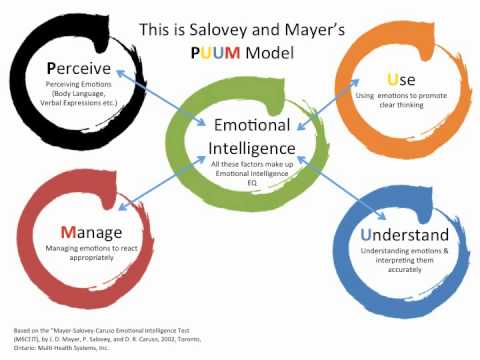
So, what’s the core of their theory? Well, they break it down into four main components:
- Perceiving Emotions: This is all about recognizing emotions in yourself and others. Imagine you’re chatting with a friend who seems off. Do you pick up on their subtle cues? That’s perceiving emotions!
- Using Emotions: Here’s where things get interesting! It means using your emotional state to fuel your thinking and actions. If you’re excited about a project at work, that energy can push you to do your best. Sounds useful, right?
- Understanding Emotions: This part deals with grasping what different emotions mean and how they change over time. For example, feeling angry might be rooted in frustration or fear—getting that nuance can help us respond appropriately.
- Managing Emotions: Last but not least! This is about regulating your feelings in yourself and others. Think of trying to calm down an upset friend; knowing how to respond appropriately can really make a difference.
Mayer and Salovey highlight that having these skills helps with social interactions and decision-making. Want to make friends or succeed in your job? Being emotionally intelligent can give you a leg up.
Here’s an example for clarity: Imagine you’re at work, dealing with a stressful deadline. If you can perceive stress in your coworkers (first component), use that knowledge to motivate the team (second), understand why everyone’s feeling overwhelmed (third), and help manage the team’s anxiety through support (fourth)—you’re flexing some serious EI muscle!
Their research also points out that emotional intelligence isn’t fixed; we can actually develop it over time. So if you feel like your EI could use some work, there’s hope! Engaging in self-reflection or even seeking feedback from trusted friends could really help sharpen those skills.
To sum things up, Mayer and Salovey’s theory presents a clear framework for understanding emotional intelligence: recognizing, using, understanding, and managing emotions effectively shapes how we connect with people and handle life’s ups and downs. Seriously, it’s like having superpowers for navigating the emotional landscape around us!
Understanding the Mayer-Salovey Emotional Intelligence Test: A Comprehensive Guide
The Mayer-Salovey Emotional Intelligence Test is a pretty interesting concept. It’s all about measuring emotional intelligence, which is basically how you recognize and manage emotions in yourself and others. Developed by Peter Salovey and John D. Mayer in the early ’90s, this test has had a profound influence on how we understand emotions.
So, what’s emotional intelligence? Well, it’s often broken down into four main abilities: perceiving emotions, using emotions to facilitate thought, understanding emotions, and managing emotions. Think of it as your emotional toolkit—it helps you navigate social situations and communicate better with people.
The test itself measures these skills through a series of questions or scenarios where you have to identify emotions from different contexts. There are no right or wrong answers; the aim is to see how well you can pick up on emotional cues. Like, if someone is frowning but saying they’re fine, do you catch that dissonance? That’s part of what this test looks for.
Now let’s break it down a bit:
- Perceiving Emotions: This refers to your ability to recognize feelings in yourself and others. For instance, can you tell if someone is happy just by looking at their face?
- Using Emotions: Here we’re talking about harnessing feelings to make decisions or guide thinking. You know that gut feeling you get? That’s emotional info guiding your choices.
- Understanding Emotions: This involves comprehending mixed feelings or emotional transitions over time—like how someone might feel both joy and anxiety about a big life change.
- Managing Emotions: It’s all about regulating your own emotions and influencing those of others. Think about calming yourself down when you’re stressed—this skill helps with that.
Every time we interact with others, we’re using some form of these skills without even realizing it! And what’s fascinating is that higher emotional intelligence can lead to better relationships and even workplace success.
But here’s the thing: not everyone tests well! The Mayer-Salovey Emotional Intelligence Test might not capture every nuance of someone’s emotional capabilities just because it’s one way of assessing things. Sometimes people might struggle with traditional testing even if they excel in real-life scenarios.
In today’s world where social dynamics are critical, understanding the areas covered by this test can be incredibly useful—not just for personal growth but also for hiring practices or educational settings.
So yeah, whether you’re looking at improving your own emotional skills or trying to gauge someone’s interpersonal abilities in a work environment, recognizing the framework provided by Mayer and Salovey is super valuable! Just remember that while tests like this offer insight, the real learning happens in our daily interactions with one another.
Exploring the 5 Domains of Emotional Intelligence: Insights from Salovey’s Framework
So, let’s chat about emotional intelligence—specifically, the five domains that Mayer and Salovey laid out. These guys really gave us a framework to understand how we manage our emotions and interact with others. It’s like having a map for navigating the sometimes messy territory of feelings.
1. Self-Awareness is the first domain. This one’s all about knowing your own feelings and how they affect your thoughts and behaviors. Think of it like tuning into your favorite radio station. When you pick up on what’s playing, you get a clearer picture of your emotional landscape. It helps you recognize when you’re feeling overwhelmed or just fine, which is key in managing stress.
2. Self-Regulation comes next. This isn’t just about keeping your cool; it’s also about being able to control impulses and manage emotions in healthy ways. Picture this: you’ve had a tough day at work, and someone cuts you off in traffic. Instead of reacting with anger, self-regulation lets you take a deep breath and move on without exploding or dwelling on it.
3. Motivation is another biggie here! Emotional intelligence means more than just handling feelings; it also includes being motivated by things outside yourself—like setting goals that matter to you and pushing through challenges even when things get rough. You know those days when getting out of bed feels like climbing Everest? Well, having motivation means finding the reason to put one foot in front of the other anyway.
Now onto 4. Empathy. This domain is super important for understanding other people’s emotions and responding appropriately. It’s not just feeling bad for someone; it’s about really connecting with them on an emotional level. Let’s say a friend shares their struggles; empathy allows you to feel what they’re feeling instead of brushing it off as just “bad luck.” It helps build trust in relationships.
Finally, we have 5. Social Skills. This is where communication comes into play—being able to develop relationships, work well in teams, and resolve conflicts effectively makes all the difference! Imagine navigating a group project at work without social skills… Yikes! Knowing how to connect with others makes collaboration smoother and helps prevent misunderstandings.
To sum it up: Mayer and Salovey’s framework helps us see that emotional intelligence isn’t one-dimensional—it’s actually layered with these five interconnected domains that influence how we interact with ourselves and others every day. Learning about these areas can help us become more aware emotionally so we can foster better relationships in life!
So, let’s chat about Mayer and Salovey and their impact on emotional intelligence. These two psychologists really kicked off conversations about how understanding emotions affects our lives. I mean, think about it: when they first brought this idea to the table back in the ‘90s, it opened people’s eyes to something pretty fundamental yet often overlooked.
Imagine going through your day-to-day life without a strong sense of your own feelings or the ability to read other people’s emotions. It can be tough, right? I remember a time when I was hanging out with some friends, and one of them just seemed off. Everyone else was having a good time, laughing and joking, but he was quiet and withdrawn. If I hadn’t had some insights into emotional intelligence—thanks to folks like Mayer and Salovey—I might not have picked up on that signal. Because of their work, I got it: sometimes people need a little extra support or space.
Their model breaks down emotional intelligence into key parts: knowing your emotions, managing them, recognizing others’ feelings, and using that knowledge to guide your thoughts and actions. It’s pretty empowering! And it all connects back to how we interact with one another in personal relationships or even at work. You know how crucial it is to communicate effectively? Those skills are tied directly to emotional awareness.
What’s really fascinating is how much this concept has shaped everything from corporate training programs to therapy techniques today. Companies are figuring out that hiring someone who “gets” emotions can lead to better teamwork and productivity. Imagine being in an office where everyone understands each other—sounds like a breath of fresh air!
But then again—emotional intelligence isn’t just for boardrooms or classrooms; it seeps into our everyday lives too. When we learn these skills, we become better friends, partners, parents—you name it! It’s about connecting on a deeper level with those around us.
In short, Mayer and Salovey didn’t just toss around an idea; they sparked a movement that teaches us that our feelings matter—not just ours but everyone else’s too. And honestly? That’s pretty cool!