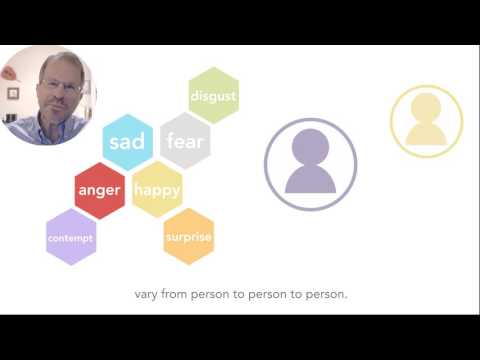
You know how sometimes, you just feel things way more intensely than others? Like when a movie makes you cry, and everyone else is just chillin’? That’s emotional intelligence for you.
So, there’s this test called the Mayer Salovey Caruso Test. You might be thinking, “What’s that?” Well, it’s all about figuring out how well you understand and manage your feelings—and those of others, too.
This stuff really matters. Emotional health can totally impact everything—your relationships, job, even your day-to-day vibe. And this test? It’s kinda like a flashlight that helps shine some light on those emotions.
Let’s dig into why understanding emotions is so crucial for living your best life!
Understanding the Mayer-Salovey-Caruso Emotional Intelligence Test: A Comprehensive Guide
Sure! Let’s talk about the Mayer-Salovey-Caruso Emotional Intelligence Test (MSCEIT). It’s a tool used to measure your emotional intelligence, which is basically how well you understand and manage emotions—both your own and others’.
What does it measure?
The MSCEIT looks at four main abilities:
- Perceiving Emotions: This is all about recognizing emotions in faces, pictures, or even music. For example, can you tell when someone’s smiling or frowning? It seems simple but it can be tricky!
- Using Emotions: This ability lets you use emotions to help with thinking. Like feeling happy might help you come up with creative ideas. It’s like using your mood as fuel for your brain.
- Understanding Emotions: Here’s where things get deeper. It involves figuring out how emotions change and combine. For instance, what does feeling anxious mixed with excitement feel like?
- Managing Emotions: This is the part where you handle your own feelings and those of others. Think about comforting a friend who’s sad or calming yourself down when you’re stressed.
The structure of the test
You take the MSCEIT through a series of tasks and scenarios that require you to respond based on emotional situations. It usually takes around 30 to 40 minutes to complete. You’re gonna see some pretty interesting scenarios like interpreting images or deciding how someone might feel in different situations.
Now, what makes this test stand out? Well, unlike traditional IQ tests, which focus heavily on logical reasoning and math skills, the MSCEIT digs into the softer skills that are super important in life: communication, empathy, and problem-solving.
This isn’t just for giggles!
The insights from this test can be really helpful for personal growth or even in professional settings. If you’re looking to improve teamwork or leadership skills at work or just want to better understand yourself emotionally—this test could be a great step forward.
Also, it’s worth noting that emotional intelligence isn’t something set in stone; it can change over time with experiences and learning. So don’t stress if your score isn’t what you’d hoped for initially—it can improve!
A friend once took this test after realizing they were struggling with managing their team at work and feeling overwhelmed during group projects. They found out their emotional understanding was lower than expected but used those insights as motivation to build better relationships with their coworkers.
So there you have it! The Mayer-Salovey-Caruso Emotional Intelligence Test offers valuable insights into how we navigate our emotional worlds—both inner and outer—and can truly influence our overall mental health and well-being.
Understanding the Mayer-Salovey-Caruso Model of Emotional Intelligence: A Comprehensive Guide
The Mayer-Salovey-Caruso model of emotional intelligence is pretty fascinating. It’s all about how we think, feel, and understand emotions—not just our own but also those of others. Wanna know how this works? Let’s break it down.
First off, the model basically defines emotional intelligence in four main branches:
- Perceiving Emotions: This is about recognizing emotions in yourself and others. Think facial expressions, body language—stuff like that. If your friend looks upset, you should pick up on that vibe.
- Using Emotions: This means using your emotions to support thinking and problem-solving. Like when you’re feeling pumped before a big presentation. That energy can actually help you perform better.
- Understanding Emotions: Here, you get into how feelings evolve and overlap. For example, maybe you feel sad because you’re anxious about something else—and it helps to connect those dots to understand what’s really going on.
- Managing Emotions: This is crucial! It involves how we handle our own emotions or influence the emotions of others. If someone’s angry, knowing how to calm them down or channel that anger constructively is key.
You see? Each part plays a role in helping us navigate life more smoothly.
Now, onto the Mayer-Salovey-Caruso Emotional Intelligence Test (MSCEIT). This test measures those four branches I just talked about. The cool thing is that it assesses your ability to manage feelings rather than just asking how you think you’re doing with emotional smarts.
When you take the MSCEIT, you’re put through different tasks and scenarios—like figuring out emotional responses from images or judging whether someone’s feelings match their situation. It’s not a quiz where you just choose A, B, or C; it really digs into how well you grasp emotions.
Why does this matter? Well, emotional health is so tied to how we relate to ourselves and others. People with higher emotional intelligence often find they handle stress better and build strong relationships—seriously!
To give this some context: Picture a time when someone close to you was upset but didn’t say it out loud. You could tell just by their posture or tone; maybe they were silent at dinner or avoided eye contact. Recognizing that feeling (perceiving emotion) allows you to reach out (managing emotion), which can lead to open conversations and support—helping both parties feel better.
In summary, understanding the Mayer-Salovey-Caruso model not only enriches your emotional life but also improves interactions with others around you. It’s like tuning into an entire radio station of human experience; when you’re in tune with these vibes, life feels a bit more connected and less overwhelming!
Unlocking Understanding: The Purpose and Benefits of Emotional Intelligence Tests
Emotional intelligence (EI) is a big deal in understanding ourselves and how we relate to others. It’s like your emotional toolbox, helping you manage feelings, both your own and those of the people around you. So, when we talk about emotional intelligence tests, like the Mayer-Salovey-Caruso Emotional Intelligence Test (MSCEIT), it’s really about figuring out what’s in that toolbox.
So, what’s the purpose of these tests? They measure how well you can perceive emotions, use them to facilitate thinking, understand emotional meanings, and manage feelings. The MSCEIT does this through various tasks that require you to identify emotions in faces or scenarios. It’s not just about answering questions; it’s like a fun puzzle for your brain!
Now, let’s dive into some benefits:
- Self-awareness: Taking these tests can help you see where you stand emotionally. It gives insight into how well you recognize and understand your own feelings.
- Better relationships: Understanding your emotional strengths and weaknesses can improve how you connect with others. If you’re good at recognizing emotions, it makes communication smoother.
- Decision making: Emotions play a huge role in our choices. Being aware of them helps guide more thoughtful decisions. You’re less likely to react impulsively.
- Coping with stress: Knowing how to manage emotions helps reduce anxiety and stress levels. You can approach stressful situations with a clearer mind.
- Workplace success: Employers often look for emotional intelligence as a key trait in hiring. EI contributes to better teamwork and leadership skills.
Let me give you an example from my friend Sarah’s life. She took the MSCEIT because she felt overwhelmed during group projects at work. After seeing her results, she realized she struggled with recognizing anxiety in her teammates—she’d misinterpret their silence as disinterest rather than stress. Once she understood this, she worked on her awareness skills—and guess what? Team dynamics improved dramatically!
Moreover, EI tests come in handy during therapy or coaching sessions too. A therapist might use them to tailor their approach based on your emotional strengths or areas needing growth.
Finally, while these tests are helpful tools for self-discovery and growth, they’re just one piece of the puzzle when it comes to overall mental health—don’t forget about talking things out with trusted friends or professionals! So really, if you want to level up your emotional game, checking out something like the MSCEIT might be worth considering.
So, let’s chat about this thing called the Mayer-Salovey-Caruso Test, or just MSCEIT for short. It’s a fancy way to measure something super important: emotional intelligence. You know, that ability to understand your feelings and the feelings of others? It can really play a huge role in how we navigate life.
I remember a friend of mine, Sarah. She always had this knack for picking up on people’s moods. Like, when I was going through a tough breakup, she knew exactly when to check in and when to give me space. That kind of empathy? That’s emotional intelligence at work. It’s not just about being smart with numbers or words; it’s about connecting with people on an emotional level.
The MSCEIT test breaks down emotional intelligence into four key areas: perceiving emotions, using emotions to facilitate thought, understanding emotions, and managing emotions. Each part is like a puzzle piece that comes together to show how well you can handle your own feelings—and those of others around you.
But here’s the kicker: you don’t have to ace this test to be emotionally intelligent! It’s more like a snapshot of where you are right now in terms of emotional skills. And acknowledging those skills can actually improve your mental health. When you understand your emotions better, it helps reduce stress and builds stronger relationships. Seriously, who wouldn’t want that?
It can also help in therapy settings too. If someone takes the MSCEIT and realizes they struggle with understanding others’ feelings, that insight can be a game-changer for their personal growth or therapy goals. It gives people a direction—not like being lost in the woods without a map.
So yeah, while this test might sound all scientific and stuff—it’s really about our everyday lives and how we relate to each other as human beings. In an increasingly hectic world, being emotionally savvy can make a world of difference—just ask Sarah!