Hey! Have you ever thought about how well you really understand your own feelings, or the feelings of others? It’s kind of wild, right?
Emotional intelligence (or EI) is like that secret sauce in our daily lives. It’s what helps us connect, communicate, and even deal with tough situations. You know those moments when you just «get» someone? Yeah, that’s EI in action!
So, there’s this thing called the Mayer Salovey Caruso Emotional Intelligence Test. It’s a fancy name for a pretty cool tool. Basically, it helps you figure out how emotionally savvy you are.
Want to see how you stack up? Let’s check it out together!
Understanding the MSCEIT Test: Exploring Mayer-Salovey-Caruso Emotional Intelligence Assessment
The Mayer-Salovey-Caruso Emotional Intelligence Test, or MSCEIT for short, is a pretty interesting tool used to measure emotional intelligence. You know, that ability to understand and manage emotions—both yours and other people’s. It’s named after its creators, John Mayer, Peter Salovey, and David Caruso. These guys dug deep into how emotions play a role in thinking and behavior.
So the MSCEIT works by asking you to solve various tasks that involve emotions. It’s kind of like taking an IQ test but focused on your emotional smarts instead. You’re presented with different scenarios or problems, and you have to identify emotions in faces, figure out how feelings might change in various situations, or even rate how well certain emotions work toward solving problems.
Here’s what you can find in the test:
- Emotional Perception: This part asks you to identify emotions from pictures of people’s faces. Like, can you tell if someone is happy or sad just by looking at their expressions? It’s about recognizing those subtle cues.
- Emotional Facilitation: Here, you’ll explore how emotions influence thinking. For example, does feeling happy help you make better decisions? This section looks at how feelings can shape your mental processes.
- Emotional Understanding: This is all about grasping the complex relationships between different feelings. Can you make sense of which emotions go together? Like how sadness can lead to hope in some situations?
- Emotional Management: Finally, this section tests your ability to manage your own feelings and the feelings of others. It asks questions like: How do you handle conflict when someone is upset? Or what strategies would you use to help a friend feel better?
What’s cool about the MSCEIT is that it’s not just about self-reported answers; it evaluates actual skills based on responses rather than just saying “I feel” or “I think.” So it offers a more objective view of emotional intelligence.
Now let me tell ya something interesting: when I first took a similar emotional assessment years ago, I figured I had a good handle on my own feelings. But then I realized my responses showed plenty of room for growth! It hit me that understanding emotion isn’t just about feeling—it’s also recognizing patterns and relationships between those feelings.
In terms of who uses the MSCEIT? Well, organizations might adopt it for hiring purposes or personal development training—you know what I mean? Being emotionally intelligent can be super beneficial for teamwork and communication skills.
The bottom line? The MSCEIT is not just a test; it’s a window into how we navigate our emotional landscapes and interact with others around us. It helps shed light on strengths as well as areas where we might wanna improve our emotional savvy!
Discovering the Best Emotional Intelligence Test: A Comprehensive Guide to Assessing Your EQ
Emotional intelligence, or EQ, is all about how you understand and manage your own emotions while also being able to recognize and influence the emotions of others. It’s like having a superpower in relationships, both personal and professional. So, if you’re looking to assess your EQ, the Mayer-Salovey-Caruso Emotional Intelligence Test (MSCEIT) is one of the more respected options out there.
What Is MSCEIT?
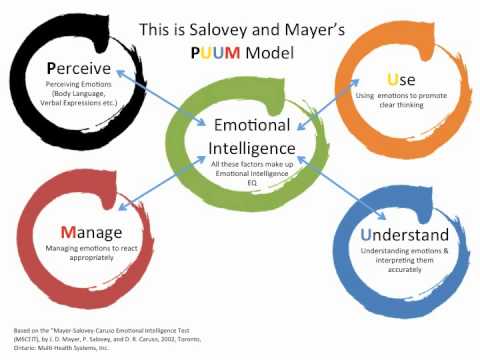
The MSCEIT was developed by Peter Salovey and John D. Mayer, two pioneers in emotional intelligence research. They broke down EQ into four important areas: perceiving emotions, using emotions to facilitate thinking, understanding emotions, and managing emotions. Basically, it measures how well you can process emotional information.
Why Should You Take an EQ Test?
Taking an emotional intelligence test can give you some valuable insights into how you handle feelings in yourself and others. You might discover strengths you didn’t know you had or areas that could use some work. It serves as a reflective tool—you know?
How Does the MSCEIT Work?
The MSCEIT consists of different tasks rather than just straightforward questions. For example:
- You might be shown a series of faces and asked to identify what emotion each face is expressing.
- There are also scenarios where you’ll choose which feelings are appropriate based on certain situations.
This approach helps gauge not just what you think but also how well you apply emotional knowledge.
Where Can You Take It?
You can find the MSCEIT online through various platforms that offer psychological assessments. Just keep in mind that some may charge a fee for taking the test or providing results. But hey, sometimes it’s worth it for that kind of insight!
Interpreting Your Results
Once you’ve taken the test, you’ll get your scores across those four branches of emotional intelligence I mentioned earlier. Scores range from low to high—high scores generally mean you’re pretty good at understanding emotions in yourself and others.
Here’s a little anecdote: A friend once took the MSCEIT out of curiosity. She learned she was great at managing her own emotions but struggled with recognizing them in others during tough conversations. That little insight helped her improve her interactions with friends who seemed distant.
The Bottom Line
So if you’re looking into enhancing your personal development or just want to know more about how you relate emotionally to others—the Mayer-Salovey-Caruso Emotional Intelligence Test might be worth considering. It’s not about getting a perfect score; it’s about understanding yourself better and growing from there!
Take the Free Mayer-Salovey-Caruso Emotional Intelligence Test Online
So, you’re curious about the Mayer-Salovey-Caruso Emotional Intelligence Test, huh? This test is all about measuring emotional intelligence, or EI, which is pretty much your ability to recognize and manage your own emotions and the emotions of others. It’s divided into different abilities—like perceiving emotions, using emotions to facilitate thinking, understanding emotions, and managing them. Quite a mouthful!
When you take this test online for free, you’ll answer a bunch of questions that prompt you to think about scenarios involving feelings—both yours and others’. It’s not just about knowing what emotion looks like but understanding how it affects decisions and interactions in real life.
Now let’s get into the nitty-gritty of how this works. The Mayer-Salovey-Caruso Emotional Intelligence Test is built on a model that has three main parts:
- Perception of Emotion: This part checks if you can identify emotions in faces or other cues. Imagine seeing someone at a party who looks upset. Can you tell they’re feeling down just by their expression?
- Using Emotion: Here, you’ll see how well you can use your feelings to aid your thinking. Like if you’re stressed about exams but can channel that into motivation instead of panic.
- Understanding and Managing Emotions: This focuses on how well you get the complexities of emotions and handle them. For example, when your friend is mad because they feel misunderstood, do you know how to approach them sensitively?
It’s kind of like tuning into an emotional radio station—getting the right frequencies helps in both personal relationships and professional environments.
Taking this test online means it should be convenient for everyone. You just log in and answer questions at your own pace! But keep in mind—it’s not just a quick-fix magic solution; it gives insights into where your emotional skills stand right now.
Getting a report from the results might help point out both strengths and areas for growth. Maybe it’ll tell you that you’re great at understanding sadness but have some work to do with anger management—I mean who doesn’t?
And if you think all this sounds cool but a bit overwhelming? Totally get it! Just remember that emotional intelligence is something you can build over time. So taking this test could be the first step toward becoming more emotionally savvy.
In short, whether you’re looking to improve relationships or just want to know more about yourself, this check-in on your emotional smarts might be worth it!
Okay, so here’s the thing about the Mayer-Salovey-Caruso Emotional Intelligence Test, or MSCEIT for short. It’s this intriguing tool designed to measure how well you recognize, understand, and manage emotions—both your own and those of others. Honestly, it’s fascinating how this stuff works.
You know how sometimes you walk into a room and just feel the energy shift? Maybe your friend looks upset even though they haven’t said a word. That’s emotional intelligence in action! The MSCEIT tries to quantify that feeling, sort of like putting a number on something super intangible.
I remember taking this test once. At first, I was like, “This is gonna be easy!” But as I went through it, I was surprised by how challenging it felt. Some questions had me scratching my head because they really pushed me to think about emotional scenarios in depth. You know? Like when someone’s angry or sad—what do they really need from you? That sort of introspection can get pretty deep.
The cool part is that the test isn’t just about right or wrong answers; it’s about understanding your emotional landscape better. It helps you see where you might shine in recognizing feelings or where you could maybe use some work. That self-awareness can be invaluable in relationships and even at work.
But here’s a thought: while tests like this can give us insights, they don’t define our worth as people. Emotions are complex and messy—no one has them all figured out all the time! So if you take the MSCEIT and feel a bit off or unsure about your scores, remember it’s just one piece of a much bigger puzzle.
In a world that’s becoming more connected yet somehow feels more disconnected at times, tapping into emotional intelligence matters more than ever. Whether you’re interacting with friends or dealing with coworkers, understanding emotions helps us navigate life with more grace and empathy.