You know that feeling when someone just *gets* you? Like, they can read your emotions without you even saying a word? That’s kind of what emotional intelligence is all about.
It’s not just about knowing how you feel, but also understanding what others are going through. Sounds simple, right?
Well, measuring that skill isn’t always easy. Enter the Mayer Salovey Caruso Test. Seriously, it’s pretty cool! This test dives deep into how we perceive and manage emotions, both ours and those of others.
Ever wondered how your emotional smarts stack up against others? Let’s explore this test together! You might find it eye-opening.
Unlocking Emotional Intelligence: A Comprehensive Guide to the Mayer-Salovey-Caruso Emotional Intelligence Test (MSCEIT) PDF
Emotional intelligence is one of those buzzwords we hear a lot these days, but what does it really mean? Basically, it’s about recognizing, understanding, and managing your own emotions while also being able to understand and influence the emotions of others. Sounds simple enough, right? But there’s a lot more to it!
One popular way to measure emotional intelligence is through the Mayer-Salovey-Caruso Emotional Intelligence Test (MSCEIT). This test was developed by **John D. Mayer**, **Peter Salovey**, and **David Caruso**. It’s designed to assess how well you can process emotional information and use it in thinking and behavior.
So here’s how it works: the MSCEIT consists of tasks that evaluate four main areas of emotional intelligence:
- Perceiving Emotions: This is all about recognizing emotions in yourself and others. For example, can you tell when a friend is upset just by their facial expression?
- Using Emotions: This part looks at how well you can harness your emotions to facilitate various cognitive activities like thinking or problem-solving. Ever noticed how being in a good mood helps you tackle challenges? That’s this area in action!
- Understanding Emotions: Here, you need to grasp how emotions evolve over time. Like, do you know why someone might feel angry after feeling sad? It’s about connecting those emotional dots.
- Managing Emotions: This involves regulating your emotions and influencing others’ feelings too. Think about how you support someone who’s stressed out; that’s part of emotional management.
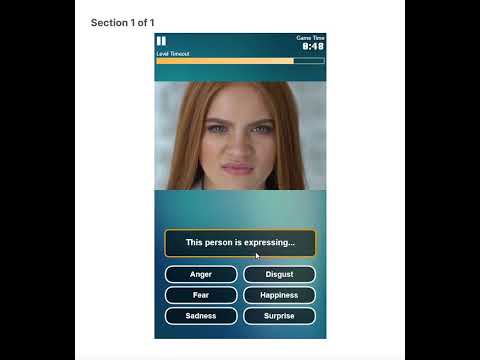
The MSCEIT doesn’t rely on self-reported answers like some other tests might. Instead, it uses tasks where individuals have to identify feelings based on different scenarios or images. It’s kind of like a quiz where you’re asked to pick the emotion that best corresponds with certain situations or expressions.
Just imagine: You’re taking this test and come across an image of a person looking downcast—what do you think they’re feeling? The ability to correctly identify this emotion says a lot about your perceptive skills!
Now, some folks find the MSCEIT helpful because it gives them insights into their emotional strengths and weaknesses. But remember, it’s important not to get too hung up on numbers from any test; they’re just one piece of the larger puzzle that makes up who we are emotionally.
In terms of practical applications, knowing your emotional intelligence level can help in various aspects of life—be it personal relationships or professional environments. For example, if you’re aware that you’re not great at understanding others’ feelings, maybe it’s time for some reflection and growth in that area.
While the MSCEIT isn’t perfect—it has its critics—the framework it offers can be super useful for anyone looking to enhance their understanding of themselves and improve their interactions with others. Ultimately, becoming more emotionally intelligent isn’t just about taking tests; it’s about being engaged in lifelong learning about yourself and those around you! So if you’re curious about getting better at reading emotions—why not give it a shot?
Unlocking Emotional Intelligence: Take the MSCEIT Test Online for Personal Growth
Emotional intelligence (EI) is like having a superpower for understanding yourself and others. It’s all about recognizing emotions, both in yourself and in people around you, and managing those feelings effectively. So, why care about this? Well, EI can seriously boost your relationships, decision-making, and even your mental health.
One popular way to measure EI is through the **Mayer-Salovey-Caruso Emotional Intelligence Test**, or MSCEIT for short. This test can help you figure out how well you perceive and manage emotions. Taking it online can be convenient too.
The MSCEIT looks at four key areas of emotional intelligence:
- Perceiving Emotions: This is about recognizing emotions in faces, pictures, or even music.
- Using Emotions: Here, it’s all about how you harness those feelings to enhance thinking.
- Understanding Emotions: This part dives into how well you comprehend emotional messages.
- Managing Emotions: It gauges your ability to regulate emotions in yourself and in others.
Taking the MSCEIT test online can be insightful. You’ll answer questions that assess how accurately you identify or manage different emotional situations. Think of it like a personality quiz but focused on feelings.
Here’s a little story: Picture Sarah, who used to struggle understanding why her friends were upset sometimes. After taking the MSCEIT test, she discovered she’s great at perceiving but not so good at managing her own emotions when things get tough. That insight made her realize she needed to work on handling her stress better—she signed up for mindfulness classes!
So essentially, the MSCEIT isn’t just a score; it’s a tool for personal growth. You learn where your strengths lie and where things could use some work. Seriously, knowing this stuff can lead to better relationships, less conflict, and overall happiness.
In short, if you’re curious about your emotional intelligence level or want to blossom into a more emotionally aware person, giving the MSCEIT a shot could be worth it! With every step in understanding your emotional landscape, you’re moving towards being more connected with yourself and those around you.
Take the Mayer-Salovey-Caruso Emotional Intelligence Test Online for Free: Enhance Your Self-Awareness Today!
The Mayer-Salovey-Caruso Emotional Intelligence Test (MSCEIT) is a cool tool designed to measure your emotional intelligence—basically, how well you handle feelings, both your own and others’. It’s all about improving your self-awareness, you know?
So, what does emotional intelligence really mean? Well, it’s the ability to recognize emotions in yourself and others, manage those emotions, and use that understanding to make better decisions. Imagine having a superpower where you can read the room or even pick up on subtle vibes. Pretty neat, huh?
Taking the MSCEIT online is pretty straightforward. You’ll find some free versions out there that help you dig into different aspects of emotional intelligence. When taking the test, you’re typically faced with scenarios where you have to identify feelings or determine how someone might react emotionally. Here’s what you’ll likely encounter:
- Perceiving Emotions: This part tests how well you notice emotions in faces or written text.
- Using Emotions: Here, it checks if you can use emotional information to enhance thinking.
- Understanding Emotions: This section pushes you to interpret emotions and how they shift over time.
- Managing Emotions: Finally, this measures how well you handle your feelings and those of others.
Now, let’s take a sidestep for a moment. I’m reminded of a friend who once had a tough time at work. She was constantly overwhelmed by stress from her boss’s high demands but didn’t realize her irritation affected her team’s morale. After taking a test similar to MSCEIT, she started noticing her feelings more clearly and worked on communicating better with her colleagues. The result? A much calmer workspace!
When you’re assessing your emotional intelligence through tools like the Mayer-Salovey-Caruso test, just be open and honest with yourself about how you respond to questions. Unlike other tests that might focus on what you’ve read or memorized, this one dives deep into **real-life situations**.
Self-awareness isn’t an overnight thing; it’s like building muscle—you get stronger with practice! Taking these kinds of tests regularly can help track your progress over time.
So why bother enhancing your self-awareness? Well, being in tune with your emotions helps you make informed decisions, build stronger relationships, and even tackle stress better. The more self-aware you are, the easier it gets to navigate life’s curveballs.
In case you’re wondering whether this test is legit or backed by science—yeah! It has research behind it that supports its effectiveness in measuring emotional intelligence accurately.
In the end, remember that self-discovery is a journey! So if you’re curious about where you stand emotionally, check out the Mayer-Salovey-Caruso Emotional Intelligence Test online for free—it just might brighten your path ahead!
You know, emotional intelligence is such a big deal in our lives, right? It’s like the secret sauce that helps us understand ourselves and connect with others better. But how do you actually measure something like that? That’s where the Mayer Salovey Caruso Emotional Intelligence Test comes in, or MSCEIT for short. Sounds fancy, huh?
So, this test was developed by some pretty smart folks—Mayer, Salovey, and Caruso—to help assess how well people recognize and manage emotions. It’s not just about feeling happy or sad; it’s more about understanding emotions in yourself and others. I remember this one time when a friend was going through a rough patch. I thought I’d be supportive by just being there for them. But, honestly, it took me a while to realize they were feeling really overwhelmed and needed space instead of company. If I’d had stronger emotional intelligence back then, maybe I could’ve picked up on those cues quicker.
The MSCEIT works through different tasks that measure various aspects of emotional intelligence—like perceiving emotions accurately or managing them effectively. You know? It’s not just about answering questions but actually doing activities like figuring out what emotion someone is expressing in art or how certain emotions can influence your thoughts and decisions. So it really digs down into how you interact with your feelings and those of others.
But here’s the thing: while it can give you some insights into your emotional skills, it’s not the end-all-be-all. You can ace the test and still struggle with real-world situations sometimes. You might have high scores but still find it hard to navigate tough conversations or manage stress effectively.
Plus, we should never forget that emotional intelligence isn’t static! It can grow and change over time—like muscle! If you seek feedback from friends or work on self-awareness techniques (like journaling or mindfulness), your EQ can improve a lot.
So yeah, the Mayer Salovey Caruso Test is pretty interesting for assessing emotional intelligence but remember it’s just one tool among many to help us understand ourselves better. And let’s be real; at the end of the day, connecting with our feelings—and each other—is what truly matters!