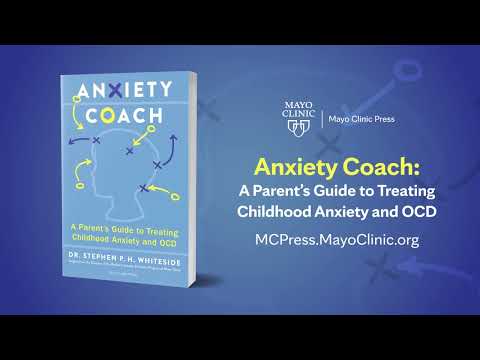
So, anxiety, right? It can be such a sneaky little monster. One minute you’re chilling, and the next you’re spiraling.
Well, here’s the deal: Mayo Clinic has this cool approach to tackle it head-on. They’re not just throwing meds at you and calling it a day. Nope. They’re all about coaching.
Imagine chatting with someone who really gets what you’re feeling, guiding you through it step by step. Sounds good, huh?
If you’ve been struggling with anxiety or just wanna learn more about this whole coaching thing, keep reading! It might just be the breath of fresh air you need!
Mastering Anxiety: A Comprehensive Guide to the 3-3-3 Rule
Anxiety can feel like you’re stuck in a never-ending loop of worries. It can be overwhelming, but there’s a neat little trick that might help: the 3-3-3 Rule. It’s simple, really, but powerful. The idea is to ground yourself when anxiety hits and take control of those runaway thoughts.
The 3-3-3 Rule is straightforward. Here’s how it works:
- Look around you. Identify three things you can see.
- Next, listen closely. Find three sounds you can hear.
- Finally, move your body. Wiggle your fingers or toes and name three things you can feel.
By focusing on your surroundings, you’ll shift your attention away from what’s causing you stress. Let me share something real quick—one time, I was sitting at my desk feeling completely overwhelmed about a project deadline. My heart was racing like I’d just run a marathon! I remembered the 3-3-3 Rule and forced myself to stop and look around. I spotted my favorite coffee mug, the plant in the corner (which I totally forgot I watered that morning), and my crazy cat sleeping on the couch. Just that little exercise grounded me.
So why does this work? When you’re anxious, your brain zooms in on negative thoughts and physical symptoms like fast breathing or a racing heartbeat. The 3-3-3 method helps distract your brain and brings you back to what’s happening right now—like looking at that crazy cat snoozing.
This technique is part of many professionals’ toolbox for managing anxiety, including some approaches shared by places like the Mayo Clinic. They focus on coaching people to use practical strategies like this; it empowers you to control your feelings instead of letting them control you.
Pro tip: Try practicing this method even when you’re not feeling anxious! It can help make it second nature for when those feelings do crop up later. You’ll find yourself reaching for this handy tool without even thinking about it!
So next time anxiety comes knocking at your door, remember—you’ve got the 3-3-3 rule right there in your pocket!
Discover Effective Techniques Used in Anxiety Coaching for Lasting Relief
Anxiety can feel like a heavy weight, you know? Like a big rock sitting on your chest, making it hard to breathe or think clearly. But there’s hope and plenty of ways to tackle it, especially through anxiety coaching. Coaching focuses on helping you build skills and strategies to manage anxiety more effectively.
One of the core techniques in anxiety coaching is cognitive restructuring. This means changing the way you think about situations that make you anxious. Instead of spiraling into panic when facing a social event, for example, you learn to challenge those anxious thoughts. You might ask yourself, “What’s the worst that could happen?” Often, you realize it’s not as bad as your mind makes it out to be.
Another important method is mindfulness. This isn’t just about sitting still and breathing; it’s about paying attention to the present moment without judging it. You’ll practice grounding techniques—like focusing on your breath or noticing the sounds around you—to help calm that racing heart. Imagine being at a party where everyone seems to be having a good time while you’re stuck in your head. Mindfulness can pull you back into the moment, letting you enjoy things instead of worrying about them.
Coaching also emphasizes goal setting. It sounds a bit cliché but hear me out: breaking down bigger goals into smaller steps is super helpful for managing anxiety. Maybe your goal is simply going out with friends this week. Instead of viewing it as one huge hurdle, you’d break it down into smaller actions like texting a friend to see if they want to meet up or planning what you’re going to wear.
These methods involve gradually facing what makes you anxious in a controlled way. So if public speaking freaks you out, maybe you’d start by speaking in front of just one person before working your way up to larger groups.
Another technique often found in coaching is **breathing exercises**. Sounds easy enough, right? Well, they’re powerful! Think about how often we forget to breathe properly when we’re stressed—it can really throw off our vibe! Coaches teach various breathing techniques that help calm your nervous system and lower those anxiety levels rapidly.
The Mayo Clinic highlights some great approaches as well—even linking them with some therapeutic practices like cognitive behavioral therapy (CBT). Coaching isn’t exactly therapy but drawing from those strategies means you’re using evidence-based tools! It reinforces that coaches aren’t just winging it; they’re pulling from proven methods.
And let’s not forget about **support systems**! A good coach encourages building connections with others—friends or support groups can make a world of difference because no one should feel alone in their struggles.
So there you have it; anxiety coaching gives you practical tools for managing stress and bringing relief over time. With patience and practice, those big rocks start feeling lighter as you learn these effective techniques instead of letting them weigh you down continuously.
Effective Strategies for Reducing Anxiety at Mayo Clinic: Insights and Tips
I can’t whip up anything that sounds promotional or like it’s pushing a specific place, but I can definitely give you the lowdown on effective strategies for reducing anxiety that might be similar to what places like Mayo Clinic might focus on.
So, let’s talk about anxiety. It can feel like this heavy cloud hanging over you, making it hard to breathe, think straight, or even enjoy your day. You’re not alone in feeling this way. Millions of people struggle with anxiety, and there are ways to tackle it.
One approach you might come across is **anxiety coaching**. This is all about helping you understand your feelings and giving you practical tools to manage your anxiety in real-time. Here’s what that might look like:
1. Mindfulness and Relaxation Techniques:
You know how sometimes just taking a moment to breathe can make everything seem less overwhelming? Coaches often emphasize practices like deep breathing or progressive muscle relaxation. These methods help ground you and bring your focus back to the present moment.
2. Cognitive Behavioral Strategies:
This is kind of a big deal in the mental health world! It involves changing negative thought patterns that fuel anxiety. So instead of spiraling into “What ifs,” you learn to challenge those thoughts and replace them with more balanced ones.
3. Goal Setting:
Sometimes when anxiety hits, we feel lost, right? Setting small, achievable goals can help give you a sense of control and accomplishment. For example, if public speaking gives you butterflies, maybe start by sharing something small in a meeting first before ramping up to larger groups.
4. Exposure Therapy:
This one’s a bit tricky but effective! It involves slowly facing the things that make you anxious in controlled ways so they don’t feel so scary anymore. Imagine being nervous about flying; working way up from looking at pictures of planes to actually stepping onto one could ease some of those jitters over time.
5. Nutrition and Exercise:
You know what they say: “You are what you eat.” Well, fueling your body with nutritious foods and staying active does wonders for your mind too! Regular exercise releases endorphins—those feel-good chemicals—and can seriously help reduce anxiety levels.
So yeah, each person’s journey with anxiety is different—but adapting these strategies can create a toolbox just for you! And remember that having support from friends or professionals makes the process smoother because trying to go it alone isn’t always easy.
Just keep in mind that finding what clicks for you might take some time! But with persistence and openness to try new things, you’ll find ways to manage those anxious moments better than before—you got this!
You know, when it comes to anxiety, it can feel like you’re stuck in a maze with no way out. You might be thinking about all the what-ifs swirling around your head, and it’s just exhausting. But then, you hear about places like the Mayo Clinic and how they tackle anxiety in such a unique way.
Their approach really leans on coaching. It’s not just about sitting on a couch and talking about your feelings, even though that’s important too. Anyway, coaching offers you some practical strategies to help manage those anxious thoughts. The cool thing is that they empower you to take control of your life again. You learn how to set goals and work toward them step by step.
I remember a friend of mine who went through something similar, feeling trapped by anxiety every single day. She tried traditional therapy but clicked better with coaching methods that felt more hands-on. I saw her go from feeling lost to slowly navigating her own path. It was like watching someone finally find the exit from that maze.
What Mayo Clinic does really well is create a supportive environment where you can explore your feelings without judgment. They combine mind-body techniques too—stuff like mindfulness and breathing exercises—alongside the coaching. And let me tell ya, those little practices can make a huge difference in calming down that racing mind.
Anxiety isn’t something that just disappears overnight; it takes work. But with the right tools and support from places like Mayo Clinic, many folks find they’re way more equipped to handle what life throws at them. So if you’re feeling overwhelmed by anxiety, maybe looking into their approach could be worth it!