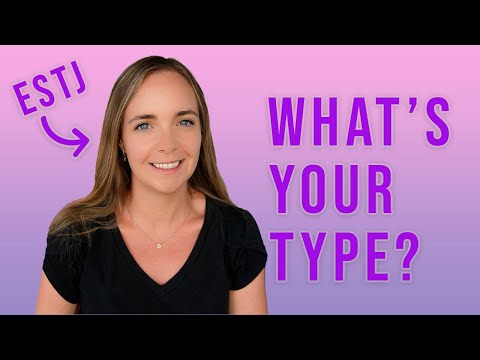
Alright, so let’s talk about the MBTI. You know, that personality test everyone seems to love?
It’s fascinating how just four letters can give you a peek into your mind. Seriously.
I remember taking it for the first time. I was, like, “What? This is so me!” And it honestly helped me understand myself better.
But here’s the kicker: those insights don’t just stop at personality quirks. They can seriously impact your mental health and personal growth too!
Like, figuring out how you think and feel can really change the game when it comes to relationships or stress management.
So if you’ve ever wished for a little more clarity in life, stick around! We’re diving into how understanding your MBTI type can level up your mental well-being and self-discovery journey. Ready? Let’s go!
Unlocking Your Personality: The Ultimate Guide to the MBTI Test and Its Impact on Mental Health
Well, the MBTI test, or Myers-Briggs Type Indicator, is often a hot topic when people talk about personality. It’s designed to help you understand yourself better, ya know? The idea behind it is quite simple: it sorts you into one of 16 personality types based on your preferences in four pairs of opposing traits.
First off, let’s break down those pairs:
- Introversion (I) vs. Extraversion (E): This describes where you get your energy from. Introverts recharge by being alone, while extraverts thrive on social interaction.
- Sensing (S) vs. Intuition (N): This reflects how you take in information. Sensing types focus on the details and facts around them, while intuitive types look at the big picture and future possibilities.
- Thinking (T) vs. Feeling (F): This pair highlights how you make decisions. Thinkers rely more on logic and objectivity, whereas feelers prioritize emotions and values.
- Judging (J) vs. Perceiving (P): This tells how you approach life and structure your world. Judgers prefer established plans and organization, while perceivers are more flexible and spontaneous.
So why should all this matter for mental health? Well, understanding your MBTI type can shed light on how you deal with stress, interact with others, and even approach self-care.
Let’s say you’re an INFP – an introverted feeling type who leans toward intuition. Knowing that could help you realize that when you’re overwhelmed, retreating into books or art might be more soothing than going out with friends. You follow me? It gives you a clearer picture of what replenishes your mental resources.
Moreover, understanding these traits can improve your relationships too! If you’re an ESTJ who loves structure but your partner is an ENFP who thrives on spontaneity, knowing each other’s preference can bridge some gaps in communication.
Now here’s something to keep in mind: while the MBTI is a popular tool for personal growth and insight into mental health trends, it’s not a perfect science! Some criticize it for being too simplistic or claim it lacks scientific rigor—meaning it might not capture all the complexities of personality.
But really… that doesn’t mean it isn’t useful! Lots of folks find meaning in identifying their type; it can provide a sense of belonging or validation during tough times.
It can also spark conversations about personal development—like exploring whether you’re stuck in a job that’s not right for your personality type. A lot of people find themselves happier when their work aligns with their natural inclinations!
In essence, using MBTI insights for mental health isn’t about boxing yourself in but rather about unlocking parts of yourself that you’ve yet to explore. You might discover new coping mechanisms or ways to improve your overall well-being just by knowing whether you’re naturally inclined towards thinking or feeling!
So yeah, if you’ve never taken the test or thought about what your results really mean for you mentally—maybe it’s time to dive into that pool! It could be just the key to understanding yourself better along this wild ride we call life!
Understanding Myers-Briggs Personality Types: Discovering Yourself Through the MBTI Framework
The Myers-Briggs Type Indicator (MBTI) is a popular tool designed to help you understand your personality based on your preferences. Seriously, it’s like holding up a mirror to your mind. So, let’s break it down a little bit.
The MBTI categorizes people into **16 different personality types** based on four dichotomies:
- Introversion (I) vs. Extraversion (E): This spectrum tells us how you gain energy. If you recharge after being alone, you’re likely an introvert. If socializing fuels you, then you’re probably an extravert.
- Sensing (S) vs. Intuition (N): This one looks at how you process information. Sensing types focus on the here and now, while intuitive types are future-oriented and see the bigger picture.
- Thinking (T) vs. Feeling (F): Here, we see how you make decisions. Thinking types lean towards logic and objectivity, while feeling types prioritize personal values and the impact on others.
- Judging (J) vs. Perceiving (P): This reflects your lifestyle choice. Judging types prefer structure and organization; perceiving types are more flexible and spontaneous.
So when you combine these preferences, you get a personality type like INFP or ESTJ. Each type has its own quirks that can help in understanding yourself better.
Now, let’s talk about why exploring these personality types can be a game-changer for your mental health and personal growth.
Understanding your MBTI type can *give you insights about how to handle stress*. For example, if you’re an ISFJ who thrives in harmony but feels overwhelmed in conflict situations, knowing this can help you navigate those tough moments with better coping strategies.
Another cool thing? It can improve your relationships! Knowing whether you’re a T or an F helps in communicating with friends or partners who might think differently than you do—so instead of clashing over decisions, you could find common ground.
Here’s something personal: I once chatted with a friend who was an ENFP—super bubbly and spontaneous! She often felt stressed by routine work environments where she felt stifled. After diving into her MBTI results, she realized she needed more creative outlets outside work to feel balanced—a lightbulb moment that helped her dive into art classes!
And let’s not forget career paths! Some MBTI combinations are often more suited to certain professions. For instance, ENTJs might excel in leadership roles since they naturally organize and lead teams effectively.
It’s important to take the MBTI with a grain of salt though; we’re all unique! Not everything about your personality fits neatly into boxes—you know? The test gives insights but shouldn’t be seen as strict rules about who we are.
So yeah! The Myers-Briggs framework is pretty nifty when it comes to self-discovery and growth; just remember it’s only part of the puzzle that makes up who we really are as individuals!
Enhancing Workplace Dynamics: Exploring the Benefits of MBTI for Team Collaboration and Employee Well-being
Enhancing workplace dynamics isn’t just about ping pong tables and flexible hours. It can also dive deep into how we understand each other’s personalities. Enter the Myers-Briggs Type Indicator (MBTI). This tool is often used to explore personality types, and it can do wonders for team collaboration and employee well-being.
So, what’s the big deal with MBTI? Well, it’s based on Carl Jung’s theory of psychological types. Essentially, it categorizes people into 16 different personality types based on four dichotomies: Introversion (I) vs. Extraversion (E), Sensing (S) vs. Intuition (N), Thinking (T) vs. Feeling (F), and Judging (J) vs. Perceiving (P). Knowing where you and your coworkers land on these scales can totally change the way you work together.
Now, let’s talk about some key benefits of using MBTI in the workplace:
- Improved Communication: Understanding each other’s personality preferences can help reduce misunderstandings. For example, if you’re an “I” and your teammate is an “E,” you might naturally approach discussions differently. Recognizing this helps bridge those gaps.
- Enhanced Team Dynamics: When teams know each other’s MBTI types, they can leverage strengths while being mindful of differences. It’s like having a cheat sheet for collaboration! A team full of “T” thinkers might excel at problem-solving but could struggle with emotional discussions.
- Conflict Resolution: Personality insights can be game-changers during conflicts. Rather than personalizing disagreements, you look at them through a lens of understanding personality differences.
- Increased Employee Satisfaction: Knowing your own type can boost self-awareness. And when employees feel understood and valued for their unique contributions, morale soars!
Consider Sarah—a classic “J”. She loves structure and plans her day well in advance. Then there’s Mike, an adventurous “P”, who thrives on spontaneity and flexibility. If they understand each other’s styles through MBTI, they’re more likely to find a balance between planning ahead and rolling with the punches.
But here’s the thing: MBTI isn’t a magic bullet to fix all workplace issues. It’s a tool—like a wrench or screwdriver—that helps build better relationships among colleagues if used wisely.
Of course, it’s also important not to box people in based solely on their types; after all, we’re more than just our labels! Each individual brings a unique blend of experiences to the table.
As companies look for ways to enhance overall well-being among employees—especially with rising concerns around mental health—embedding MBTI insights into company culture could be key to fostering healthier work environments.
In short? Understanding yourself and others through tools like MBTI enhances not just teamwork but overall happiness at work too! So next time your team digs into those personality tests—embrace it! You might just find that connection makes all the difference.
You know, the MBTI—Myers-Briggs Type Indicator—has been around for ages, and it’s kind of like that fun personality quiz your friend sends around. But it’s more than just a party game; it can really give you some cool insights into yourself and help with mental health and personal growth.
I remember once taking the test and discovering I was an INFP. At first, I was like, “What even is this?” But as I dug deeper into what being an INFP meant, it clicked. Suddenly, I understood why I sometimes felt overwhelmed in big social situations or why I needed time alone to recharge. That little epiphany was a game-changer for me! It helped me embrace my quirks instead of feeling out of place all the time.
So, how does this tie into mental health? Well, understanding your type can help you navigate relationships better. For instance, if you’re an extrovert, you might thrive on social interaction; but if you’re an introvert like me, too much time around others might leave you feeling drained and anxious. Recognizing this can lead to healthier boundaries. It’s about knowing yourself enough to say no when you need some downtime without guilt!
Another cool thing about the MBTI is that it opens up conversations with others. Knowing someone’s type gives you hints about their communication style or decision-making process. If your buddy’s a Thinking type (like INTJ), they might approach issues with logic rather than feeling—which is super helpful if you’re trying to resolve a disagreement.
Personal growth? It can give you a roadmap! You learn where your strengths are—like maybe you’re super creative or great at strategizing—and where you might struggle—like dealing with criticism or making snap decisions under pressure. Once you’re aware of these patterns, you can start working on them.
Of course, it’s not everything about who we are—it doesn’t define us completely. It’s like looking through one lens among many when trying to understand ourselves better—but it sure helps polish that lens! So if you’ve got some downtime and wanna explore who you are while getting some potential insights for your mental health journey, why not take the plunge? You might just uncover some gems about yourself along the way!