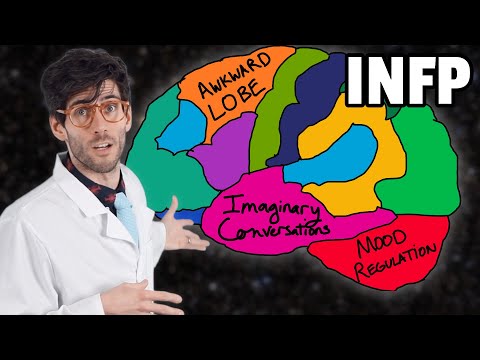
You know those people who seem to have their heads in the clouds, dreaming up beautiful ideas? That could be an INFP for you.
They’re the ones who feel things deeply. Seriously, like everything hits them on a different level. But it’s not all sunshine and rainbows.
Being an INFP can really mess with your mental health sometimes. It’s like having a rollercoaster of emotions, right?
So, what does that mean for them? Well, let’s dig into it! You might just find yourself nodding along or thinking, Wow, that’s so me!
Exploring Personality Types: Which Ones Are Most Susceptible to Mental Illness?
Understanding Personality Types and Mental Health
When we talk about personality types, it’s like opening a door to understanding ourselves better. Some personalities are more prone to mental health struggles, and one that often comes up in conversation is the INFP type.
INFPs, or *Introverted, Intuitive, Feeling, Perceiving*, are known for their deep thinking and sensitivity. If you’re an INFP or know one, you might recognize how strong emotions can sometimes feel like a tidal wave.
Emotional Sensitivity
These folks tend to feel things deeply. Imagine standing in the middle of a beautiful field and feeling every little breeze like it’s part of a grand symphony. But that means when life gets tough, those feelings can be overwhelming.
They might not handle criticism well; it can feel personal and devastating. This sensitivity can lead some INFPs to anxiety or depression if they don’t have solid support systems or coping mechanisms in place.
Idealism vs Reality
Many INFPs have this wonderful view of how the world should be. They dream big and want to make a difference! But then reality hits them—people can be harsh, situations don’t always work out, and life doesn’t follow storybook plots.
This disconnect between their ideals and the harshness of reality can lead to frustration or even feelings of inadequacy. It’s like having your head in the clouds while your feet are stuck in mud.
Isolation Tendencies
INFPs also tend to need alone time to recharge but too much solitude can become isolating. You know that feeling when you’re on your own for too long? It might start off cozy but can quickly turn into loneliness if you’re not careful.
Isolation isn’t always bad; sometimes it’s necessary for self-reflection. Yet if an INFP feels disconnected for too long, it might spark feelings of sadness or hopelessness.
Coping Strategies
So what helps? For many INFPs, engaging in creative outlets—like writing, drawing, or music—can be therapeutic. It’s like letting those bottled-up feelings spill out onto a canvas instead of letting them fester inside.
Also, connecting with others who understand their experiences is crucial. Sharing thoughts with empathetic friends or even joining support groups can make a huge difference.
Acknowledge Your Needs
For anyone with an INFP personality type (or anyone really), understanding your mental health needs is key! You gotta prioritize self-care just as much as following your dreams because at the end of the day—you matter!
Being aware of these tendencies doesn’t mean you’re doomed; rather it’s about working towards balance so you can navigate life without getting too bogged down by those heavy feelings that might pop up along the way.
In short, while certain personality traits might make someone more susceptible to mental health challenges, knowledge is power! Embracing who you are while finding ways to cope with life’s ups and downs makes all the difference.
Understanding INFP Challenges: Common Struggles Faced by INFP Personality Types
So, let’s talk about INFPs. You know, those dreamy, idealistic folks who feel deeply and care passionately. But it’s not all sunshine and rainbows for them. There are some real challenges they face, and it’s important to understand that stuff. Basically, INFPs have this unique way of experiencing life that can sometimes lead to struggles with mental health.
First off, one of the big things is emotional overwhelm. INFPs can be super sensitive to the feelings of others—sometimes it feels like they carry the weight of the world on their shoulders. Imagine always being aware of what others are feeling and then taking that home with you! It can really drain you over time.
- Internal Conflict: They often wrestle with their values versus reality.
- Social Anxiety: Being people-oriented, they might still find social situations intimidating.
- Avoidance: When stress hits hard, an INFP may retreat into their own world instead of facing problems head-on.
Take Lisa, for instance. She’s an INFP who loves helping others but found herself feeling constantly drained at work. Every time someone came to her with a problem, she felt their pain like it was her own. Eventually, she started avoiding conversations altogether because it became just too overwhelming. That emotional toll really put a dent in her mental health.
Another challenge is idealism versus reality. INFPs have this beautiful vision of how things *should* be—like relationships or career paths—but then reality hits hard. This mismatch can lead to feelings of disappointment or even hopelessness when their expectations aren’t met. Imagine dreaming about a perfect romance only to find out that relationships take work and compromise. Ouch!
- Pessimism: Sometimes they start seeing the world through a darker lens because of unmet ideals.
- Overthinking: Their minds tend to spiral into deep thoughts about what could’ve been!
You might find an INFP friend getting stuck in overthinking loops or talking down their achievements simply because they didn’t reach some lofty goal they set for themselves.
This ties into another struggle: difficulties with decision-making. With all those feelings swirling around and so many possibilities in front of them, making choices can be a real nightmare! They often want to please everyone while also staying true to themselves—they’re kind of torn between different worlds.
- Avoiding Conflict: They might hesitate to make decisions fearing it’ll upset someone else.
- Doubt: They frequently second-guess themselves after making choices.
You know how indecisive some folks can get at dinner when everyone wants something different? For an INFP, that simple decision could feel like climbing a mountain! And once the decision is made? The second-guessing kicks in hard.
This brings us to something very key: bottling up emotions. Because they feel things so intensely yet worry about burdening others with those feelings, they might keep things inside until it explodes unexpectedly later on. Imagine holding your breath underwater—eventually, you gotta come up for air!
- Bursting Out: Their emotional release could come out as anger or tears at random times!
- Coping Mechanisms: Excessive daydreaming or writing could be helpful outlets—but sometimes too much isolation isn’t great either!
The thing is, understanding these challenges helps build compassion—for both themselves and those around them. So if you’re around an INFP or you identify as one yourself, just remember: it’s okay not to have everything figured out right away! Reaching out for support or seeking therapy isn’t shameful; it’s actually super brave!
If someone knows how deeply thoughtful yet troubled an INFP can be daily just navigating life’s ups and downs—it’d go a long way toward fostering empathy when talking about these challenges.
Exploring INFPs: Are They Naturally Suited for Psychology?
So, you’ve probably heard about INFPs, right? These folks are part of the Myers-Briggs Type Indicator—a personality assessment that spots 16 different types. INFP stands for Introverted, Intuitive, Feeling, and Perceiving. Basically, these people tend to be dreamers and idealists who are deeply in tune with their emotions. But does this make them good candidates for a career in psychology? Let’s unpack that a little.
First off, INFPs are highly empathetic. They feel what others feel, almost like they’re wearing someone else’s shoes. This emotional connection can help them understand clients on a profound level. Imagine sitting across from someone who’s pouring out their heart—not only can an INFP grasp the concepts being discussed but they feel the weight of those feelings too. That kind of understanding can create a safe space for healing.
Creativity is another strong suit. Think about it: psychologists don’t just need to analyze problems; they also need to think outside the box to find solutions that resonate with individuals. INFPs often have creative approaches and can come up with unique therapeutic techniques or interventions that might not be typical in more traditional settings.
However, it’s not all sunshine and rainbows. INFPs might struggle with harsh realities. The field of psychology often involves confronting difficult truths and navigating challenging conversations—something some INFPs may shy away from due to their sensitive nature. They may prefer harmony and could find situations involving conflict quite distressing.
Also, self-care is crucial. This personality type tends to absorb emotions from others. It can be exhausting! They would need effective coping strategies to ensure they don’t burn out because feeling too much can lead to being overwhelmed or even experiencing compassion fatigue.
Let’s talk about flexibility—INFPs appreciate freedom. Their Perceiving trait means they’re adaptable but also prefer a less structured environment. While this openness can be beneficial in creating rapport with clients, it might also pose challenges when following strict methodologies or protocols in certain therapeutic settings.
In terms of values, INFPs have strong moral compasses. They’re driven by ideals which makes them passionate advocates for mental health issues and social justice causes. This intrinsic motivation could lead an INFP to specialize in areas such as trauma therapy or advocacy work—fields where they can help others while aligning with their core beliefs.
Lastly, remember how I mentioned empathy earlier? Well, a downside is potential emotional overload. If an INFP dives deep into other people’s issues without enough boundaries—or self-care—they may find themselves emotionally drained or confused about their own feelings.
So what’s the bottom line? **Are INFPs naturally suited for psychology?** Well, yes and no. They have many traits that lend themselves well to the field—like empathy and creativity—but there are also some traits that could complicate things—a tendency towards emotional overwhelm and conflict avoidance being two big ones!
In short, if you’re an INFP considering psychology as a career path (or you know one), it could really be fulfilling! Just keep those challenges in mind so you’re equipped for the journey ahead!
You know, when it comes to personality types, the INFPs definitely have this unique vibe going on. With their introverted, intuitive, feeling, and perceiving traits, they often see the world in a way that’s just… well, different. If you’re an INFP or know one, you probably see that deep sensitivity and compassion shining through. But with that comes some challenges for mental health too.
Let me tell you a little story. I once had this friend who was an INFP. She had this amazing ability to empathize with others. It was like she could sense what people were feeling even before they said anything. But on the flip side, her own emotions sometimes felt like a tidal wave crashing down on her. Whenever she faced conflicts—even minor ones—she would spiral into these thoughts that made her really anxious or sad for days. That kind of emotional intensity can be exhausting!
Being an INFP means your feelings are your compass. You hold onto your values tightly and want to make the world a better place. But if things don’t align with those values? Oof! It can get rough. That’s where mental health struggles may kick in—like anxiety or depression creeping up when you least expect it.
And here’s something interesting: INFPs tend to be perfectionists in their own way. They envision how things *should* be and can get caught up in their idealism. If life doesn’t meet those high expectations? Well, there goes the spiral again! It’s like they’re caught between wanting to create beauty and feeling weighed down by reality.
So what can help? Finding outlets for those feelings is key! Whether it’s writing poetry, painting, or just having deep heart-to-heart talks—creativity can be super healing for INFPs. Therapy might also be beneficial; it creates a safe space to process all those swirling thoughts and emotions without judgement.
It’s pretty powerful when you think about it: being so connected with your inner world can lead to some tough times but also incredible insights! Understanding this blend of sensitivity and strength is essential for mental health among INFPs—and honestly, anyone trying to navigate life with all its ups and downs.