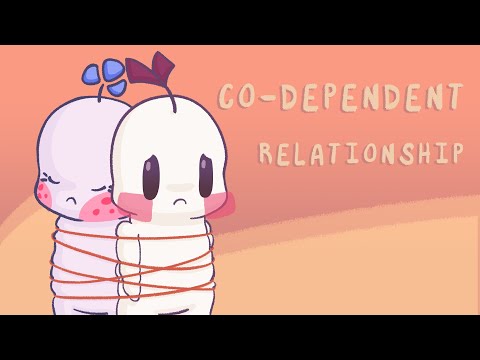
Hey, you ever found yourself in a relationship where you just felt, like, totally invested? I mean, all your energy goes into making the other person happy, while your needs kinda fade into the background? Yeah, that’s codependency for you.
It’s that tricky dance where one person relies on another for their happiness and self-worth. And honestly, it can be exhausting! Picture this: You’re at a party, and instead of enjoying yourself, you’re focused on keeping someone else from feeling awkward. Sounds familiar?
In this space, we’re gonna break down codependent relationships. We’ll explore what it means to be codependent and how it messes with your head and heart. So grab your favorite drink and let’s chat about those tangled feelings we sometimes get stuck in!
Understanding the Psychology of Codependency: Causes, Effects, and Healing Strategies
Codependency can be a tricky beast, right? It’s all about those relationships where one person feels overly responsible for the other’s feelings and needs. Understanding the psychology behind it can really help shine some light on why we sometimes lose ourselves in our connections with others.
So, what’s at the root of this? Well, a lot of it comes from our upbringing. If you grew up in a family where love was conditional, you might’ve learned to prioritize others’ needs over your own to feel valued. That’s why, in adulthood, you might find yourself trying to «fix» someone or putting their happiness above your own. It’s like being on a roller coaster—thrilling at first but then exhausting and dizzying.
And let’s talk about effects! Codependency can seriously mess with your self-esteem. You might feel like you’re not enough unless you’re doing something for someone else. Over time, this can lead to feeling resentful or burnt out because you’re always giving without reaping any rewards. You know how sometimes it feels like you’re pouring from an empty cup? That’s exactly what happens here.
Now, healing strategies—well that’s important stuff! First off, recognizing that you have codependent tendencies is huge. It’s like shining a flashlight in a dark room—you start seeing things more clearly. Then, setting boundaries becomes essential. This means learning to say no without guilt and understanding that it’s okay to prioritize yourself.
Another piece of the puzzle is working on self-esteem. Try engaging in activities that make you feel good about yourself outside of your relationships; maybe pick up a hobby or pursue interests you’ve shelved away for too long. Surround yourself with supportive people who encourage independence rather than dependence.
Therapy can also bring incredible benefits—seriously! A good therapist will help untangle those deep-seated beliefs about worth and love. They’ll guide you through understanding why you feel compelled to put others first all the time.
Lastly, practicing self-care is more than just bubble baths or binge-watching shows (although hey, those are nice too!). It’s about checking in with yourself regularly—what do YOU need? What makes YOU happy?
So yeah, codependency is complex but understanding its roots and effects opens doors for healing. It takes time, patience, and sometimes professional help—but each step is one towards reclaiming your personal power and fostering healthier relationships. Remember: it’s perfectly okay to put *your* needs at the top of the list once in a while!
Recognizing the Signs of Unhealthy Codependent Relationships: A Comprehensive Guide
Recognizing the signs of unhealthy codependent relationships can feel a bit tricky. You might be wondering, “Am I too reliant on someone, or are they on me?” Well, let’s break it down together.
Codependency is when one person in a relationship feels like they need to take care of the other, often at their own expense. This isn’t just about love; it’s more like an emotional tether that can become pretty suffocating. It’s hard to spot sometimes because it can look like caring or being supportive. But there are some signs you can watch for.
- Constant Sacrifice: If you find yourself regularly putting your partner’s needs above your own—even when it makes you unhappy—that’s a hint of codependency.
- Loss of Identity: Maybe you’ve stopped doing things you enjoy because your partner doesn’t like them or isn’t interested. Keeping track of who you are becomes tough when you’re always catering to someone else.
- Fear of Abandonment: Do you get super anxious at the thought of your partner leaving? This fear can lead to clingy behavior or doing things that compromise your values.
- Lack of Boundaries: Healthy relationships have boundaries. If you’re letting your partner dictate what you do or who you see, it could be time for some self-reflection.
- Taking Responsibility for Their Feelings: Ever felt guilty if they’re unhappy? It’s not your fault if someone else is down; we all have our own emotions to manage.
Let’s say you have a friend who always needs help with their problems but never checks in on yours. You start feeling exhausted and wonder why you’re always the one lifting them up without any return. That’s what codependency can look like.
Another common sign is manipulation. Sometimes, people use guilt or emotional blackmail to keep another close. You might hear phrases like, «If you really cared about me, you’d…» This isn’t love; it’s control dressed up as concern.
Sometimes it’s tough to break free from this cycle because no one wants to feel guilty for caring too much. But realizing it’s happening is the first step towards healthier connections!
So, if you’re nodding along with these points, don’t panic! Recognizing these patterns can lead to growth and healing. It might be time to chat with a therapist who understands dynamic personal relationships. They can help untangle those emotional knots and guide you toward finding balance again.
At the end of the day, healthy love means both people get to flourish separately before blending together—kind of like two strong trees growing side by side but still having their own roots firmly planted in the ground.
Understanding Codependency: A Comprehensive Worksheet for Psychological Insights into Healthy Relationships
Understanding codependency is, well, kind of a big deal when it comes to relationships. So, let’s break it down in a way that really makes sense.
Codependency is a pattern where one person’s emotional needs dictate how another person feels or behaves. You might find yourself constantly putting someone else’s needs above your own, even at the cost of your own happiness. It often shows up in relationships where one partner has issues like addiction or mental health struggles. But it can happen in any type of relationship—family, friends, even work situations.
Key characteristics of codependent relationships include:
- People-pleasing behavior: You feel like you have to keep everyone happy, often sacrificing your own wants and needs.
- Lack of boundaries: Your boundaries are either non-existent or way too flexible. You might feel uncomfortable saying “no,” even when you should.
- Fear of abandonment: You might cling to unhealthy relationships because you’re terrified of being alone.
- Low self-esteem: Your self-worth relies on how others perceive you or how well you can take care of others.
- Crisis mode: If there’s no drama or crisis to solve in the relationship, you might feel out of control or uneasy.
Let’s say your friend Jake always has some sort of crisis going on—whether it’s drama with his job or trouble with his girlfriend—and you’re always jumping in to help him out. At first, it feels good because you’re being supportive. But over time, maybe you’ve noticed that your own life is slipping because you’re so focused on helping him navigate his mess.
And here’s the kicker: when codependency becomes the norm in a relationship, both parties can end up feeling unfulfilled and resentful over time. You think you’re doing a good thing by helping Jake, but if that help isn’t wanted or appreciated at all? Well, that just leads to frustration.
The path to healthier relationships looks like this:
- Recognizing patterns: Start noticing those moments when you’re prioritizing someone else’s needs over your own.
- Setting boundaries: Learn how to say “no” without guilt and protect your own emotional space.
- Cultivating self-worth: Work on feeling valuable outside of how well you take care of others. Like picking up hobbies that make you feel good about yourself!
- Seeking support: Therapy can be super helpful for unpacking these patterns and learning new ways to connect with people.
It’s definitely not easy breaking free from these habits formed over time—think about it like untangling a knot that’s been there forever! But understanding codependency is like shining a light into those shadowy corners of our emotions and behaviors.
So yeah, recognizing these signs means taking steps toward healthier relationships where both parties can thrive rather than just survive through constant crises and caretaking roles. It’s totally possible; just takes some effort and maybe a little outside help along the way!
You know, codependent relationships are pretty fascinating—and, honestly, sometimes heartbreaking. It’s like, two people get super wrapped up in each other to the point where they lose sight of who they are as individuals. Think of that friend who always seems to be in and out of the same toxic relationship. You probably notice how they change — like their interests morph or their friendships fade away. It’s tough to watch.
In a codependent setup, one person often feels a need to take care of the other, while the other leans heavily on that support. The thing is, this dynamic can feel so right at first. There’s love and connection, but it often comes with a side of anxiety and insecurity. You might be thinking: «What does this even look like?» Well, imagine feeling responsible for your partner’s happiness to the extent that you compromise your own needs—like skipping out on your friends’ plans just to keep them from feeling left out or sad.
Emotions can spiral pretty quickly! A friend of mine started dating someone who had a lot of emotional baggage. She found herself constantly checking in with them—even when she’d much rather hang out with us or focus on her studies. Over time, she seemed more drained than fulfilled. It was like she was living for someone else instead of herself.
Psychologically speaking, it’s often rooted in past experiences or upbringing—maybe someone learned early on that love means sacrifice or that their worth depends on giving all their energy to others. That can create quite the tangled web of dependency where healthy boundaries go out the window.
You know what really stings? Realizing that these patterns don’t just hurt one person; it’s exhausting for both parties involved! So often they think they’re helping each other but end up stuck in this cycle where it feels impossible to break free.
It’s important to recognize when you’re slipping into these patterns because breaking free takes courage and self-awareness. Seeking support from therapy can seriously help untangle those knots; it’s like having a flashlight in a dark maze. You see things more clearly and understand new ways to build relationships that nourish rather than drain you.
All said and done, awareness is key. A healthy relationship means wanting what’s best for each other without sacrificing yourself entirely—because love should lift you up, not weigh you down!