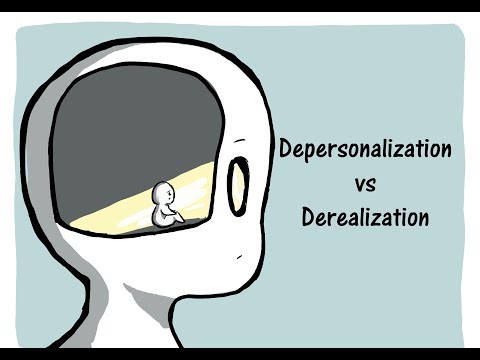
Alright, let’s chat about something super interesting—derealization. Ever feel like you’re just, I don’t know, kinda floating through life? Like everything around you is a movie or a dream?
That’s derealization for you. It can mess with your head in ways you wouldn’t expect. Trust me, you’re definitely not alone in this experience.
Imagine having those moments when reality feels all hazy and surreal. It’s unsettling, right? Sometimes it happens when you’re stressed or overwhelmed. But there’s so much more to it than that.
So stick around! We’ll unravel what derealization means for mental health and why understanding it matters. You might even recognize some feelings you’ve had yourself!
Explaining Derealization: A Simple Guide for Friends and Family
Derealization can be a real head-scratcher. Basically, it’s that feeling when you’re walking through life but everything feels kind of… off. Like you’re in a movie or something. Imagine talking to your best friend, but instead of seeing their face, it feels like you’re watching them from behind a glass wall. Sounds weird, right? But that’s what many people experience.
So what exactly is derealization? It’s a dissociative symptom, which means it’s like your mind’s way of coping when things get overwhelming. You might notice weird changes in your perception—like colors seem muted or sounds feel distant. The world around you feels unreal.
This isn’t just occasional daydreaming or zoning out; it can be pretty intense and can last for a while. Some folks live with these feelings for days, weeks, or even longer. It often pops up alongside anxiety disorders or trauma-related issues.
Why does derealization happen? Well, there are several reasons. Stress is a big one; think about how you feel during finals week or after a tough breakup. It could also occur after experiencing something traumatic—like an accident or loss—which makes it your brain’s way of protecting itself from pain.
If someone you care about is dealing with this, here are some things to keep in mind:
- Be patient. They may seem distant or distracted, but it’s not because they don’t care about you.
- Avoid minimizing their experience. Saying stuff like “just snap out of it” doesn’t help at all!
- Encourage them to seek help. A therapist can provide strategies tailored to their specific situation.
It can be really isolating when people feel this way. I remember talking to a friend who described how he felt trapped inside his own head during derealization episodes. It was tough for him—he wanted to connect but felt so disconnected from reality.
How is derealization treated? Often, therapy steps in as the superhero here! Cognitive-behavioral therapy (CBT) is one strong contender; it helps folks reframe their thoughts and understand their feelings better. Some people find grounding techniques handy too—things like focusing on physical sensations (like holding ice) can bring them back into the present moment.
In fact, many recovery paths combine different strategies depending on individual needs and experiences. So if someone talks about feeling unreal sometimes—and you want to support them—just being there makes such a difference.
Overall, derealization might feel scary and disorienting both for the person going through it and those around them. With patience, understanding, and the right support system—including professionals—it’s totally possible to manage these feelings better.
Understanding the Link Between Anxiety and Derealization: Causes and Effects
So, let’s talk about anxiety and derealization. You might’ve heard of derealization before, but it’s a pretty weird experience. Basically, when someone feels derealized, the world around them starts to feel unreal or even dreamlike. It can be super disconcerting, like you’re watching your life through a foggy window.
Anxiety and derealization often go hand in hand. When you’re anxious, your body goes into this heightened state of alertness—kind of like an alarm going off in your head. And sometimes, that response can lead to derealization. You’re so wound up that your brain decides to protect itself by creating this barrier between you and what’s happening around you. It’s almost like your mind is saying, “Whoa there! Let’s make this feel less intense.”
Here are a few key points on why this link exists:
- Fight or Flight Response: When anxiety kicks in, you might enter that fight-or-flight mode. Your brain is flooded with stress hormones; it doesn’t know if it should run or fight. In that chaos, derealization can occur as a coping mechanism.
- Overstimulation: Anxiety often makes you hyper-aware of everything around you. This overload can make your brain process things differently—leading to feelings of unreality.
- Panic Attacks: These intense bursts of fear can trigger depersonalization and derealization sensations. Think about it: if panic attacks make everything feel like it’s spiraling out of control for you, then it’s no wonder reality might start feeling a bit less real.
To give you an idea of how this plays out: Imagine sitting at a coffee shop with friends but feeling totally detached from the chatter and laughter around you. You’re smiling and nodding along, yet inside, it feels like you’re watching a movie instead of really living it.
Now let’s chat about some effects of experiencing this combo:
- Isolation: It’s tough to feel connected when the world feels unreal. You might pull away from people or situations because they seem too overwhelming or just… not real.
- Difficulties Concentrating: When everything feels hazy and surreal, focusing on tasks becomes super hard—you know?
- Additional Mental Health Issues: The more anxiety mixes with derealization episodes, the higher the chance for other mental health issues like depression or PTSD to pop up.
You see? This whole experience isn’t just about feeling weird for a second; it’s got layers that can really impact how you live day-to-day.
If you’re dealing with these feelings regularly—seriously—it could be helpful to talk to someone who gets it; maybe even a therapist who specializes in anxiety disorders. They can help unravel these connections for you and find strategies that work.
To sum up: anxiety creates an environment where derealization can thrive because your mind’s trying to shield itself from intense stressors by making things feel less tangible. It’s all connected! So awareness is key here if you’re experiencing these feelings—you’re not alone in this journey!
Understanding Depersonalization/Derealization Disorder: Symptoms, Causes, and Coping Strategies
Understanding Depersonalization/Derealization Disorder can feel a bit like you’re watching your life from behind a glass wall. It’s confusing, unsettling, and it can sometimes make you feel like you’re not really in your own body or that the world around you isn’t real. Let’s break this down.
Symptoms often include feeling detached from yourself (that’s depersonalization) or feeling like the world isn’t real (derealization). You might feel like you’re living in a dream, or everything seems foggy and distant. These feelings can crop up unexpectedly and last for minutes or even longer.
Some people describe it as being on autopilot, where you go through the motions of daily life but don’t truly connect with what’s going on. Imagine talking to a friend but feeling like you’re having an out-of-body experience—like you’re both there but also not really present.
Causes? Well, they can vary quite a bit. Sometimes it’s triggered by extreme stress, trauma, or overwhelming emotions. Think about when something shocking happens—your brain might try to protect itself by making everything seem distant or unreal. Other times, it could be linked to anxiety disorders or depression.
Some folks may have had these experiences since childhood too. It’s like your brain developed this coping mechanism early on to deal with some tough stuff—it just doesn’t know how to switch off later in life.
When it comes to coping strategies, there are a few things that might help ease those feelings of detachment:
- Grounding techniques: These involve focusing on the present moment—like noticing what you see around you or feeling the texture of an object in your hand. It pulls you back into reality.
- Therapy: Talking things out with a professional can be super helpful. They can give you tools and strategies tailored just for you.
- Meditation: Practicing mindfulness helps train your brain to stay focused in the now rather than drifting away into that foggy space.
- Simplifying Stressors: Reducing stressful situations or triggers might lessen how often these experiences happen.
- Support from loved ones: Just having someone to talk to about what you’re feeling can make a big difference. Sometimes sharing helps lighten that mental load.
You see? Each person’s experience is unique, so what works for one person might not work for another—but finding what resonates with you is key! Being gentle with yourself during these episodes is important too; they don’t define who you are.
All in all, while Depersonalization/Derealization Disorder can be jarring and disorienting, understanding its symptoms and knowing there are ways to cope is empowering. You’re not alone in this; many people have found paths towards clarity and connection again!
Imagine you’re sitting in a café, sipping your favorite drink. The chatter around you seems distant, like you’re watching a movie instead of experiencing real life. This feeling is what people often describe as derealization. It’s a trip, right? Basically, derealization is when the world around you feels unreal or distorted. It’s not that you’re losing touch with reality; it’s more like your mind is playing tricks on you.
So, why does this happen? Well, it can be related to stress, anxiety, or trauma. You might have heard someone say they felt «disconnected» during a tough time. I remember my friend Jake went through a rough patch after losing his job. He started feeling like he was living in a dream. Everyday places felt different and unfamiliar, and it freaked him out. But this kind of thing—it happens to folks struggling with severe anxiety or depression too.
The psychological meaning behind derealization often ties back to how we cope with overwhelming feelings. You see, sometimes your brain needs a break from reality when things get too heavy. It’s almost like an emotional defense mechanism kicking in to shield you from pain or stressors that feel too intense to handle.
And here’s the kicker: while it can be alarming when it happens, it’s not always harmful in itself. Many people experience these moments temporarily and then move on without any lingering issues. But for some folks—well, if it starts hanging around like an uninvited guest at a party—it might become part of larger mental health challenges they need to address.
Talking about derealization can feel weird because so many people don’t really understand what it is unless they’ve been there themselves. That’s why opening up about these feelings is super important—it helps reduce stigma and makes others feel less alone in their own experiences.
If someone close to you shares feelings of derealization, listen without judgment and encourage them to reach out for support if they need it—that can make all the difference in the world! Just knowing someone gets where you’re coming from can be so comforting; it reminds us we’re all navigating this crazy ride together.