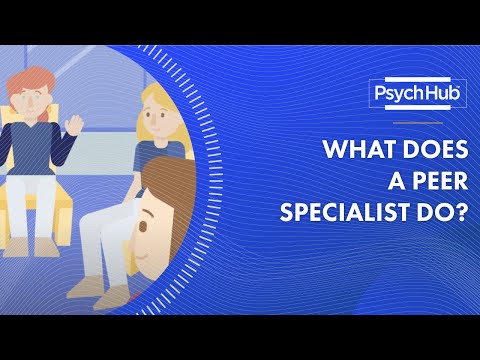
Hey! So, let’s chat about something really cool—Medical Peer Support Specialist Certification in Mental Health. You might be wondering, what’s that all about? Well, imagine being someone who’s been through tough times, and now you get to help others who are in the same boat.
It’s pretty awesome, right? Being a peer support specialist means you’re not just sharing facts from books; you’re sharing real-life experiences. You get it on a level that some professionals might not.
And let me tell you, this kind of support can make a huge difference for people struggling with mental health issues. It’s like having a buddy who just understands you without judgment.
So if you’re curious about what it takes to become one of these amazing helpers, stick around! We’ll break it down together.
Comprehensive Guide to Peer Support Specialist Certification in Wisconsin
I’m here to share some useful info about Peer Support Specialist Certification in Wisconsin, especially related to mental health. So, let’s break it down.
Being a **Peer Support Specialist** means you’ve walked a similar path as those you’re helping. Your experiences with mental health challenges or recovery can really resonate with others going through tough times. It’s like having a buddy who truly understands what you’re dealing with, you know?
**Certification Process:**
To become certified in Wisconsin, there are a few steps you need to follow. Here they are:
- Training: First off, you’ll need to complete an approved training program. This usually covers essential skills and knowledge required for the job.
- Application: After your training, you’ll need to apply for certification through the Wisconsin Department of Health Services (DHS). You’ll have to fill out an application and submit any necessary documentation.
- Examination: Then comes the exam part. You’ll take a test that assesses your understanding of peer support principles and practices.
- Background Check: There’s typically a background check involved too, just to ensure safety and reliability within the role.
But wait! It’s not all paperwork and tests. A big part of being a Peer Support Specialist involves personal qualities like empathy and active listening. The thing is, having lived experiences helps build that genuine connection which can be life-changing.
**Key Responsibilities:**
Once certified, your role as a Peer Support Specialist will include various tasks:
- Support Individuals: You’ll be helping people find their own paths to recovery by sharing coping strategies that worked for you.
- Create Community: Building connections among peers is vital—encouraging them to share their experiences and support each other isn’t just helpful; it’s empowering!
- Resource Navigation: You might also guide individuals on how to access health services or community resources.
So just imagine being that lifeline for someone who’s feeling lost or overwhelmed; it’s honestly pretty fulfilling.
**Continued Education:**
After getting certified, it’s important (and often required) to pursue ongoing education. Keeping up with new developments in mental health care is crucial since things change often. Plus, additional training can sharpen your skills.
**Advocacy Role:**
You might find yourself advocating for more accessible mental health services or speaking out about the stigma surrounding mental illness as well. Your lived experience gives you a unique voice in these conversations.
Getting involved as a Peer Support Specialist means more than just getting certified; it’s about being part of something bigger—a movement toward mental wellness and community healing. It can really make a difference, both for you and those you help along the way!
Unlock Your Potential: Free Online Training for Peer Support Specialists in Mental Health
Accessing mental health support can be a game changer for many folks. And one cool way to get involved in this field is through becoming a **Peer Support Specialist**. Basically, this role gives you the chance to help others based on your own experiences. But what does it take to get certified and where can you find training? Let’s break it down.
The idea of peer support stems from the understanding that lived experiences can be incredibly powerful. When someone’s been through the wringer—like battling depression or anxiety—they often find comfort in connecting with someone who truly «gets it.» Peer Support Specialists bridge that gap, providing both understanding and practical help.
**Free online training programs** are popping up more and more, making it super accessible for anyone interested in becoming certified. These programs generally cover important topics such as:
- Understanding Mental Health Conditions: You’ll learn about various mental health issues like bipolar disorder, PTSD, or schizophrenia.
- Effective Communication Skills: Being able to communicate clearly and empathetically is key.
- Boundaries and Ethics: Knowing where the line is between being supportive and overstepping is crucial.
- Crisis Management: Learning how to handle tough situations when someone may be at risk or extremely upset.
Many of these trainings are designed by organizations that specialize in mental health. Some are even backed by state or federal funds, so they don’t cost anything! Plus, they’re usually flexible enough to fit around your schedule.
It’s important to remember that being a peer support specialist isn’t just about education, though that part is huge. It’s also about **having heart**. You know those moments when you just connect with someone? That’s what you’ll be doing every day in this role.
For example, think about Mike. He struggled with severe anxiety for years and finally found his footing through therapy and support groups. After healing enough himself, he decided to help others who felt lost like he used to feel. Through a peer support program, he got trained online for free and was able to turn his pain into purpose.
At the end of the day, if you’re thinking about getting involved as a Peer Support Specialist but are worried about the costs or commitment—don’t sweat it! Free online training is there for you; it’s all about unlocking your potential while helping others along their journey too.
Unlock Your Potential: Online Certification for Peer Support Specialists
With the growing recognition of mental health issues, the role of peer support specialists has become super important. These folks use their personal experiences to help others navigate through tough times. If you’re interested in becoming a peer support specialist, getting an online certification can be a solid step forward.
So, what exactly does it mean to be a peer support specialist? Well, it’s all about using your lived experiences with mental health challenges to offer encouragement and guidance to others who are facing similar issues. You get to share what you’ve learned along your journey. That connection is often really powerful.
Getting certified as a peer support specialist usually involves some coursework and training. It’s not just about reading books; you’ll be learning about various mental health conditions, communication strategies, and recovery principles. This prepares you to give practical support and helps others feel understood.
You might wonder how this training looks in an online format. Many programs cover topics like:
- Understanding Mental Health: You’ll learn about different mental health conditions, such as depression or anxiety.
- Effective Communication: This involves skills like active listening and empathy.
- Ethics and Boundaries: It’s super important to know how to maintain professional boundaries while still being relatable.
- Support Strategies: You’ll explore different strategies for supporting someone in crisis.
Online courses have the added benefit of flexibility. You can learn at your own pace, fitting your education around other responsibilities—like work or caring for family members.
Now, let me share a quick story. A friend of mine took this route after struggling with her own mental health issues for years. She felt isolated and unsure who would get it until she found her peer support group. Inspired by how much that helped her, she decided to get certified herself. Through her training, she learned how vital her story could be in guiding someone else out of their darkest days.
Once you finish the certification, many states have specific requirements you’ll need to meet before you can practice as a peer support specialist—things like supervised hours or additional training related to local laws impacting mental health care.
The idea is that when people connect with someone who truly understands them—someone who’s walked a similar path—it can lead them toward recovery more effectively than traditional therapeutic approaches alone sometimes can.
So if you’re thinking about taking this step, go for it! Helping others while using your own experience? That’s pretty remarkable stuff right there!
Alright, let’s talk about Medical Peer Support Specialist Certification in Mental Health. It’s kinda a big deal, right? You see, the whole idea of peer support is about people who’ve been through the wringer themselves stepping up to help others. They know what it feels like to struggle with mental health issues, and they can really connect in a way that’s different from traditional therapists or doctors.
I remember this one time when a friend of mine was going through a rough patch. She found this group where folks had similar stories and experiences. It was super eye-opening for her. Sharing with people who just “got it” made her feel less alone. Seriously, there’s something powerful about sitting down with someone who’s walked a similar path.
Now, regarding the certification part—becoming a Medical Peer Support Specialist typically involves some training that covers ethics, communication skills, and how to guide someone through their mental health struggles without overstepping boundaries. It’s not just about having lived experience; you need tools to really help someone navigate their journey.
When these specialists are certified, it gives them credibility—like they’ve got the know-how to provide reliable support while understanding the specifics of recovery and resilience. It helps everyone involved; it empowers the peer supporter and creates hope for those seeking help.
But the thing is—there’s still stigma around mental health out there. Some folks might be skeptical about peer support just because it’s not the traditional therapy route. That’s why spreading awareness about these certifications is essential! People deserve access to varied forms of support that resonate with them.
In my view, having certified peer supporters can really change lives. They aren’t just offering advice; they’re sharing hope—showing others that recovery is possible and you don’t have to face your struggles alone. It feels like we’re moving towards a more compassionate system where lived experiences are valued alongside professional expertise.
At the end of the day, if someone can relate on such a personal level while also being trained in effective support techniques? That’s pretty amazing right there!